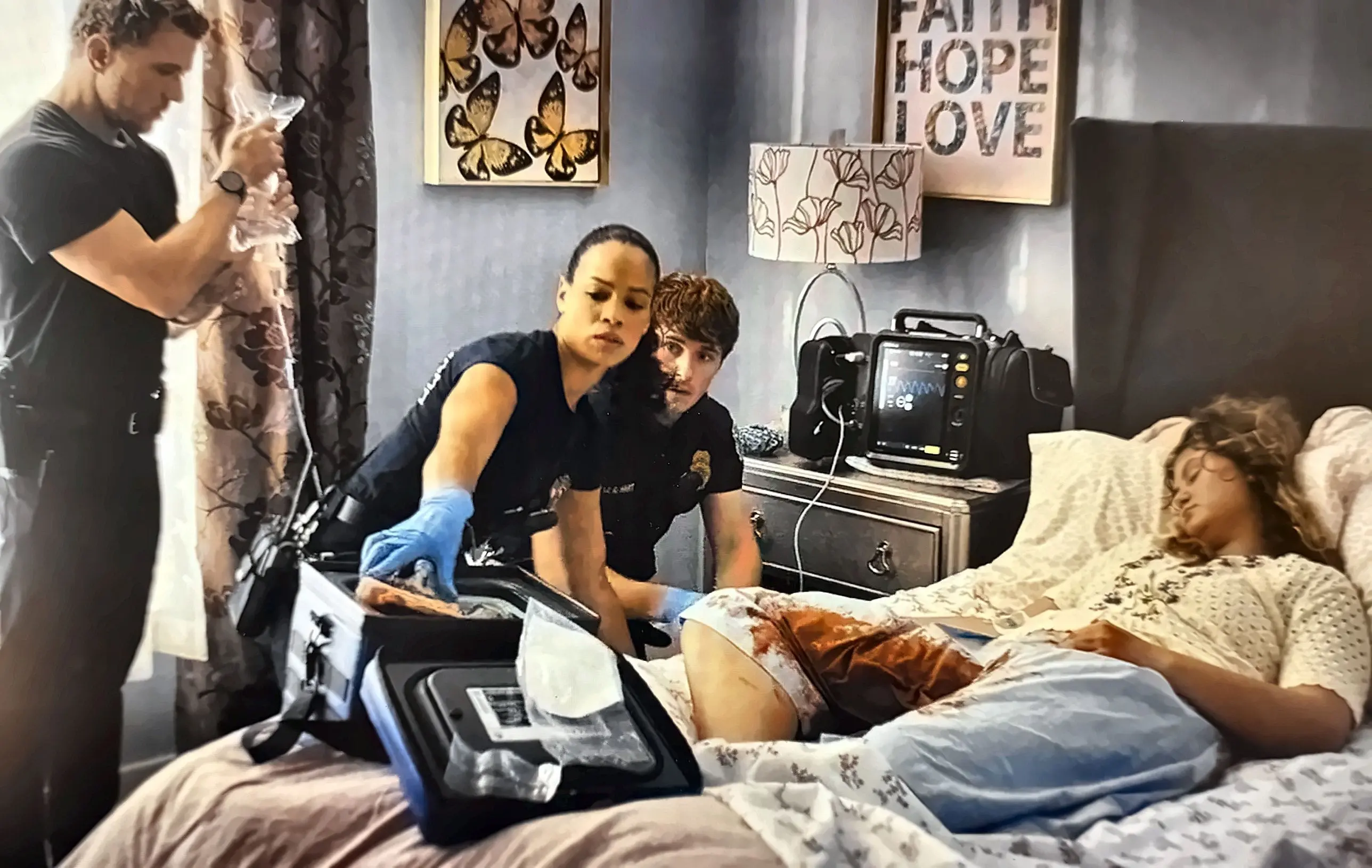
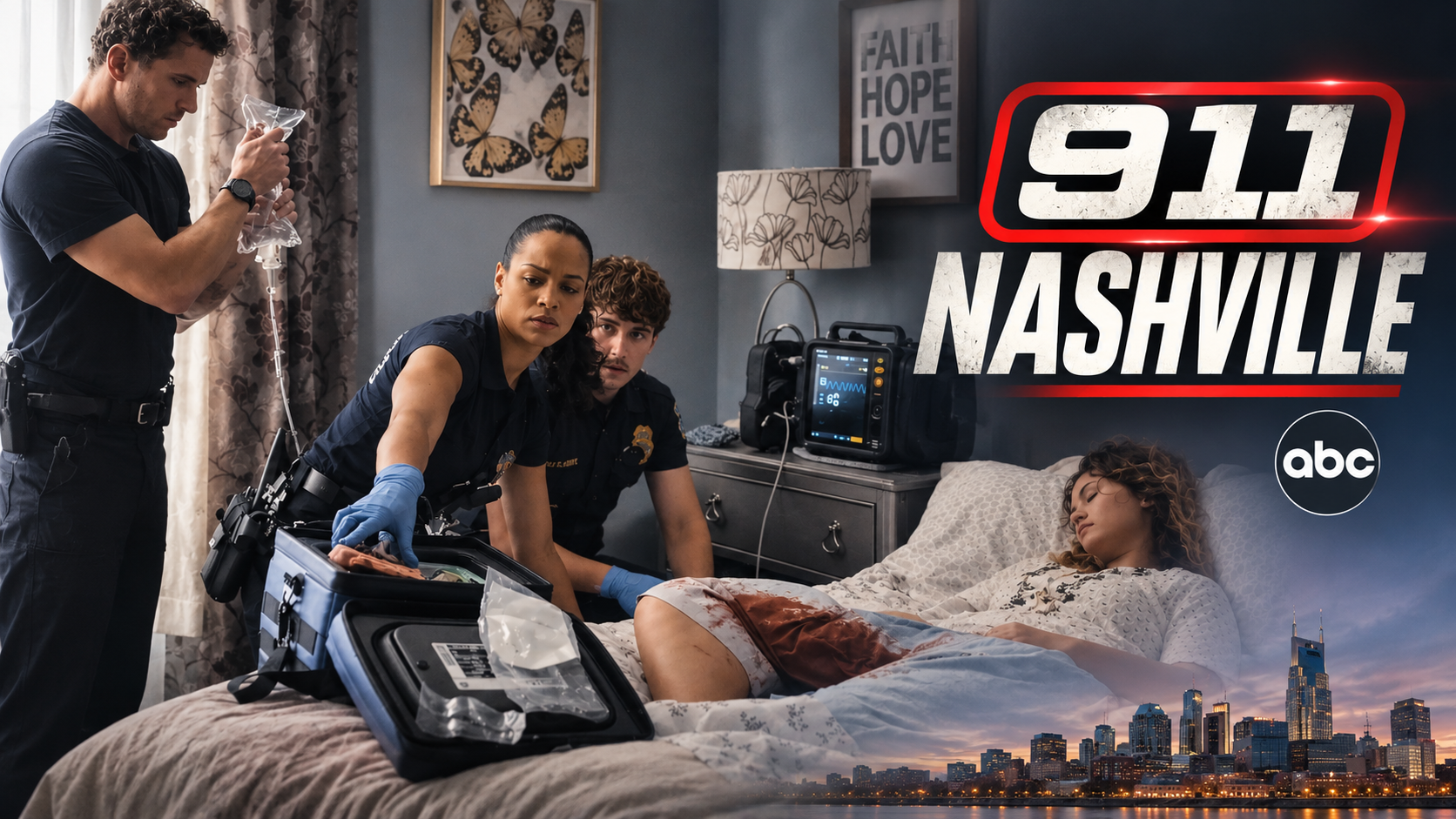
Prehospital blood had a moment in prime time this month. In "Boys and Boils," the second episode of 9-1-1: Nashville Season 2, which aired on ABC on October 22, firefighters from Nashville's fictional Station 113 respond to a call about a newborn trapped inside an apartment building's plumbing. The rescue takes a turn when the crew realizes there is a second baby, and that the mother, a young woman who did not know she was pregnant, is somewhere in the building and in serious trouble.
When responders find her, she is bleeding heavily after giving birth alone. As the crew works to stabilize her, they call for whole blood, and a unit is rushed up to her bedside. For viewers in EMS, the scene captures a situation crews increasingly train for: a postpartum hemorrhage far from a hospital, where every minute without blood replacement matters.
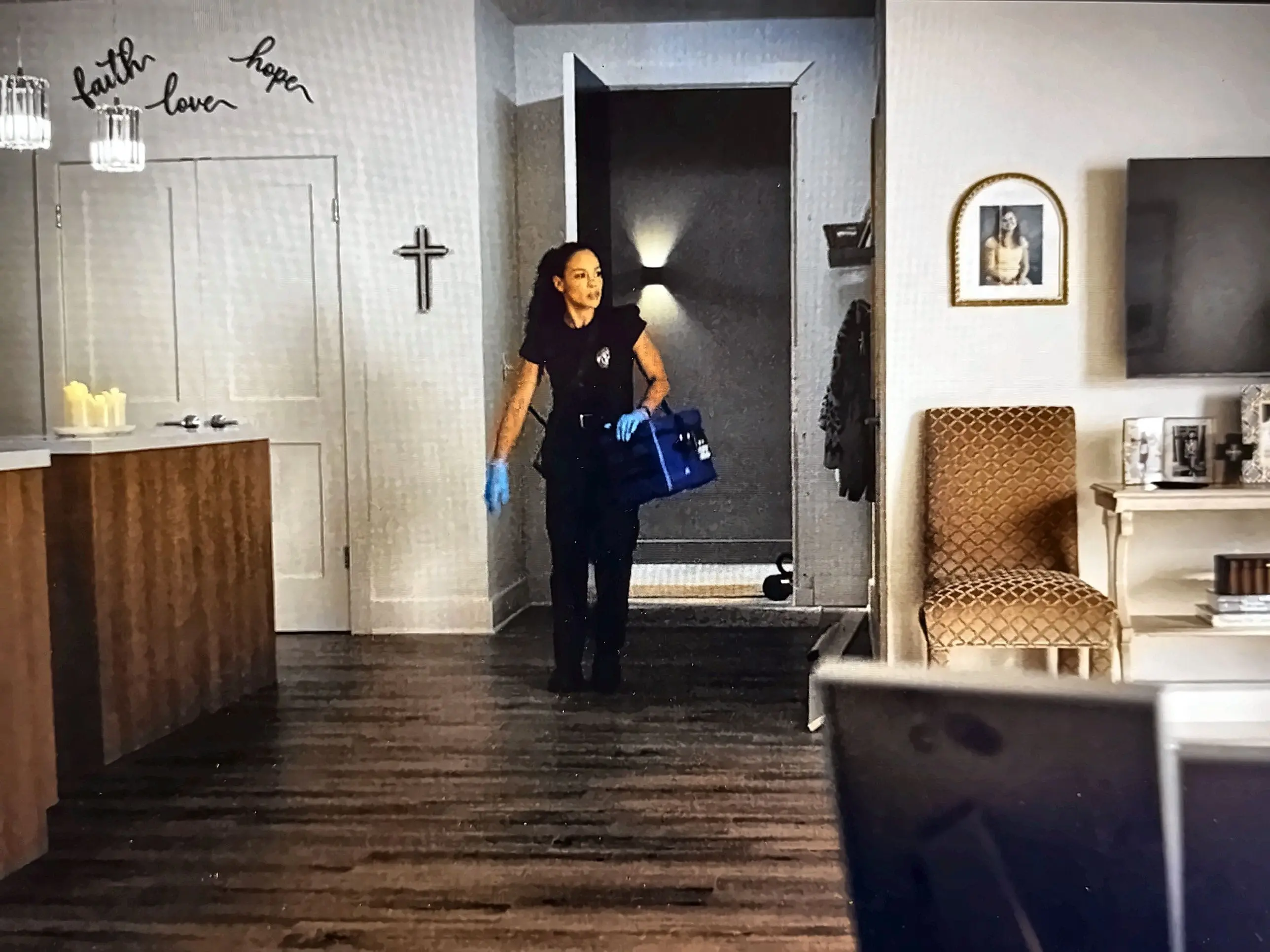
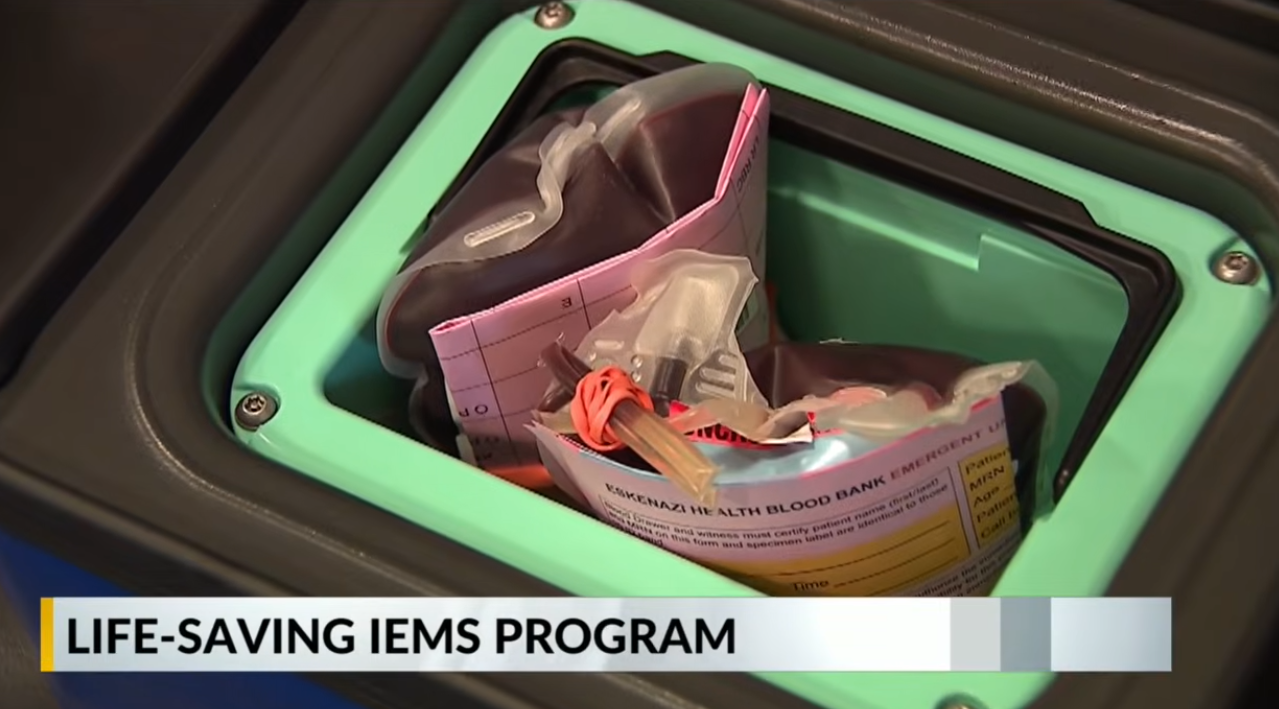
The blood on screen arrived in a Delta ICE 2L Smart Blood Cooler, one of the DDT units on loan to the production. It's a small detail, but an important one. Television tends to show blood as simply being available; in the real world, getting a unit to a patient's side means keeping it at the right temperature, tracking it, and having it ready the moment a crew needs it. That logistics work is what makes field transfusion possible.
Obstetric hemorrhage is one of the indications driving interest in prehospital blood programs alongside trauma. Agencies across the country are now carrying whole blood or blood products on scene, giving crews the ability to start replacing lost volume before the patient reaches the hospital.
We're proud to see prehospital blood represented on a network drama, and even prouder of the real crews who make it happen every day. Whether your agency is already carrying blood or just starting to explore a program, we'd love to help you take the next step.