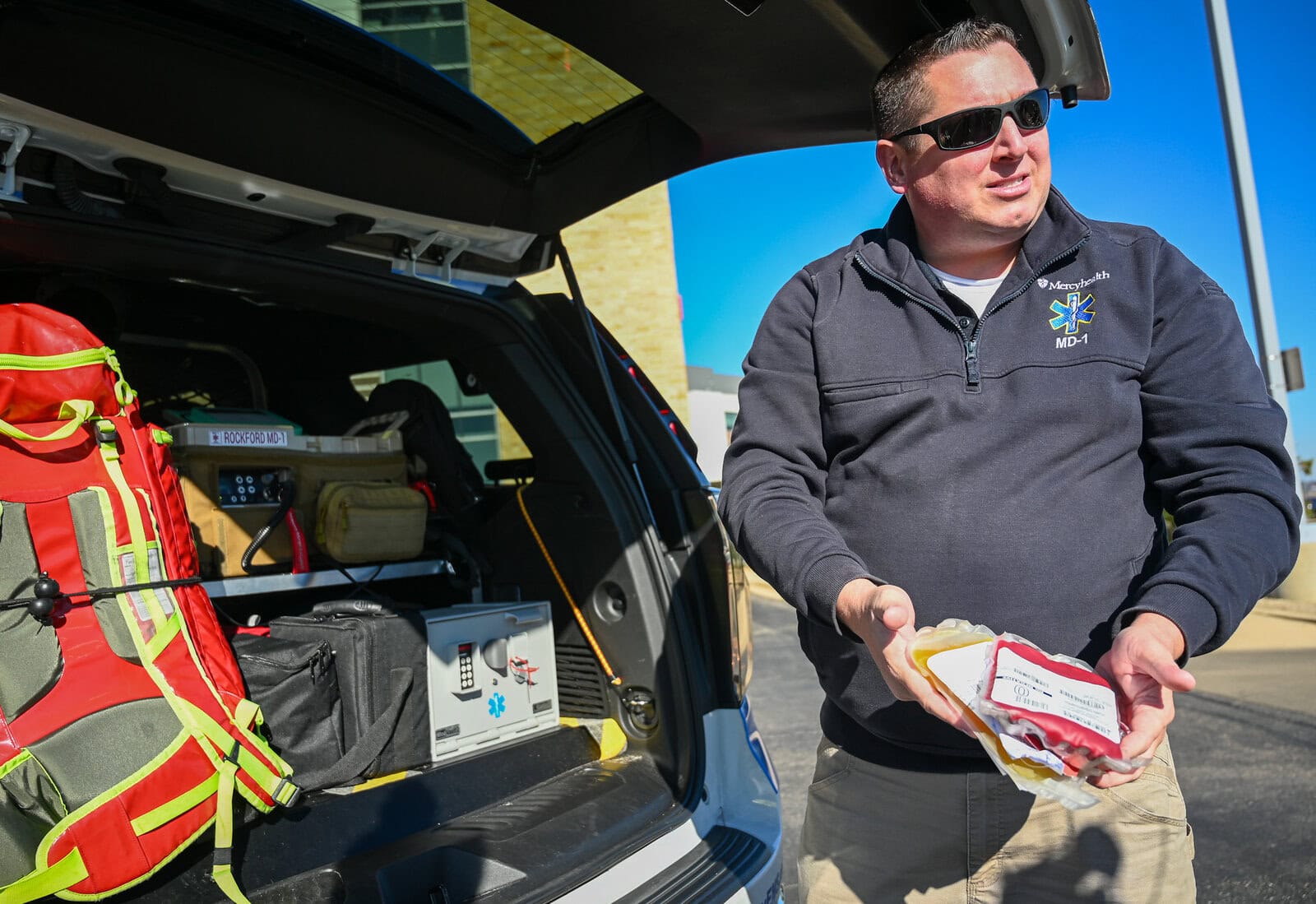
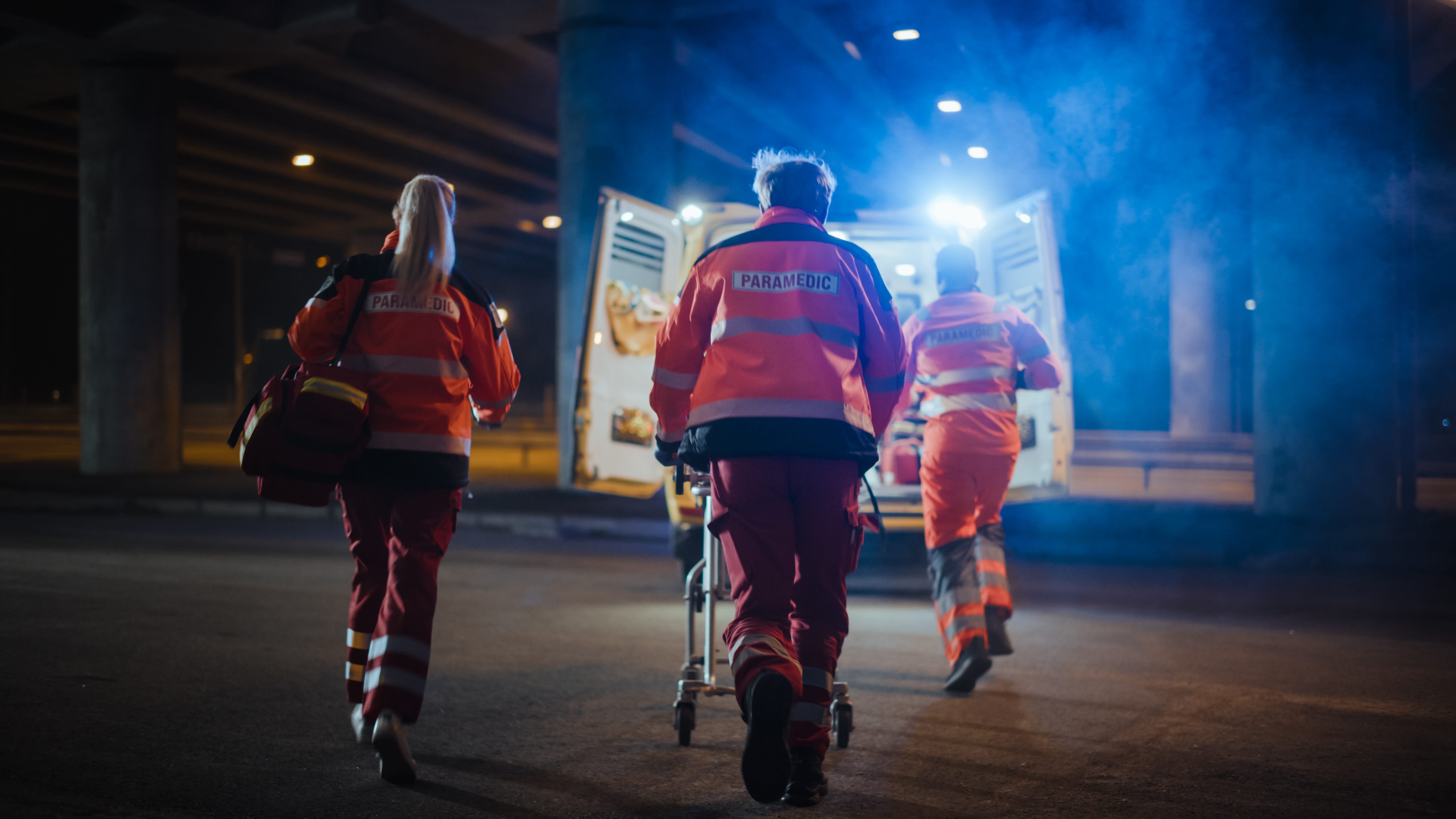
In April 2025, Katie McClanahan of Arkansas was pinned under a fallen tree for about three and a half hours. Dr. Ben Davis, a trauma surgeon at UAMS Medical Center in Little Rock, went beyond standard protocol and brought blood to the scene. He knew that once the tree came off her, the bleeding would no longer be held back. McClanahan has since had 13 surgeries, and she says plainly that she would not have survived without that transfusion in the field. Her story leads a new Investigate TV report on the national effort to stock ambulances with blood.
Her outcome is still the exception. The report notes that only about 400 of the roughly 15,000 EMS agencies in the U.S. run prehospital blood programs. That's despite uncontrolled bleeding causing around 40% of trauma deaths worldwide. Policy is catching up: according to Jon Krohmer, board chair of the Prehospital Blood Transfusion Coalition, the number of states that let paramedics start a transfusion has grown from 24 to 46. NHTSA Administrator Jonathan Morrison points out that 43% of people killed in crashes between 2019 and 2023 were still alive when first responders arrived, and that prehospital transfusion can improve mortality in traumatic blood loss by 37%.
The biggest obstacle now is cost. Krohmer puts startup costs at about $20,000 to $25,000, plus $1,200 to $1,500 per transfusion. Medicare, Medicaid and private insurers generally don't cover field transfusions. CMS now classifies prehospital transfusion during transport as Advanced Life Support Level 2, which raises payment in some cases, but agencies still don't recover their full costs. Federal money is starting to close the gap. NHTSA committed $80 million in spring 2026 and announced a further $202.4 million in November to establish or expand transfusion capabilities. (We covered NHTSA's earlier partnership with the Uniformed Services University here.)
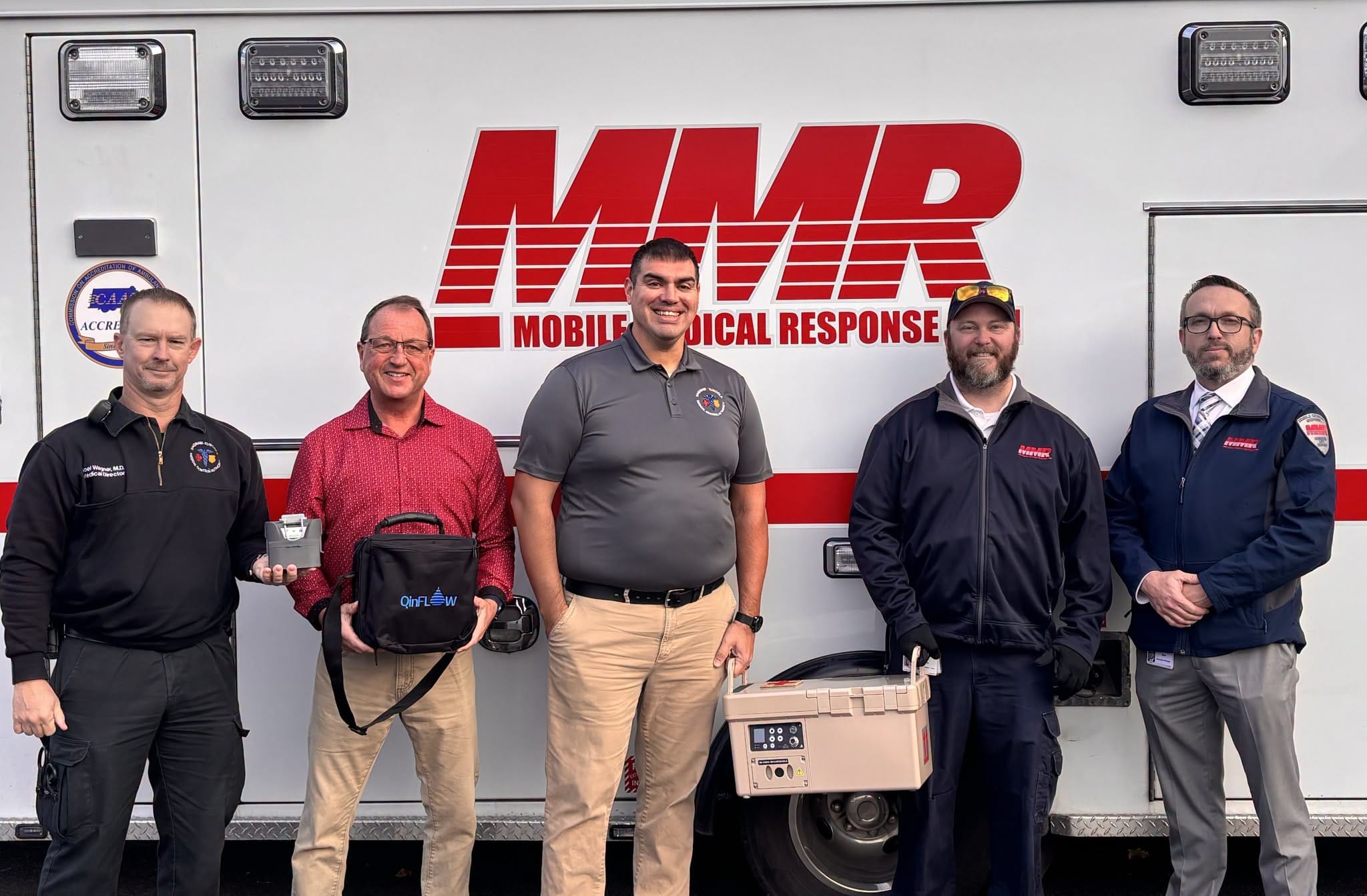
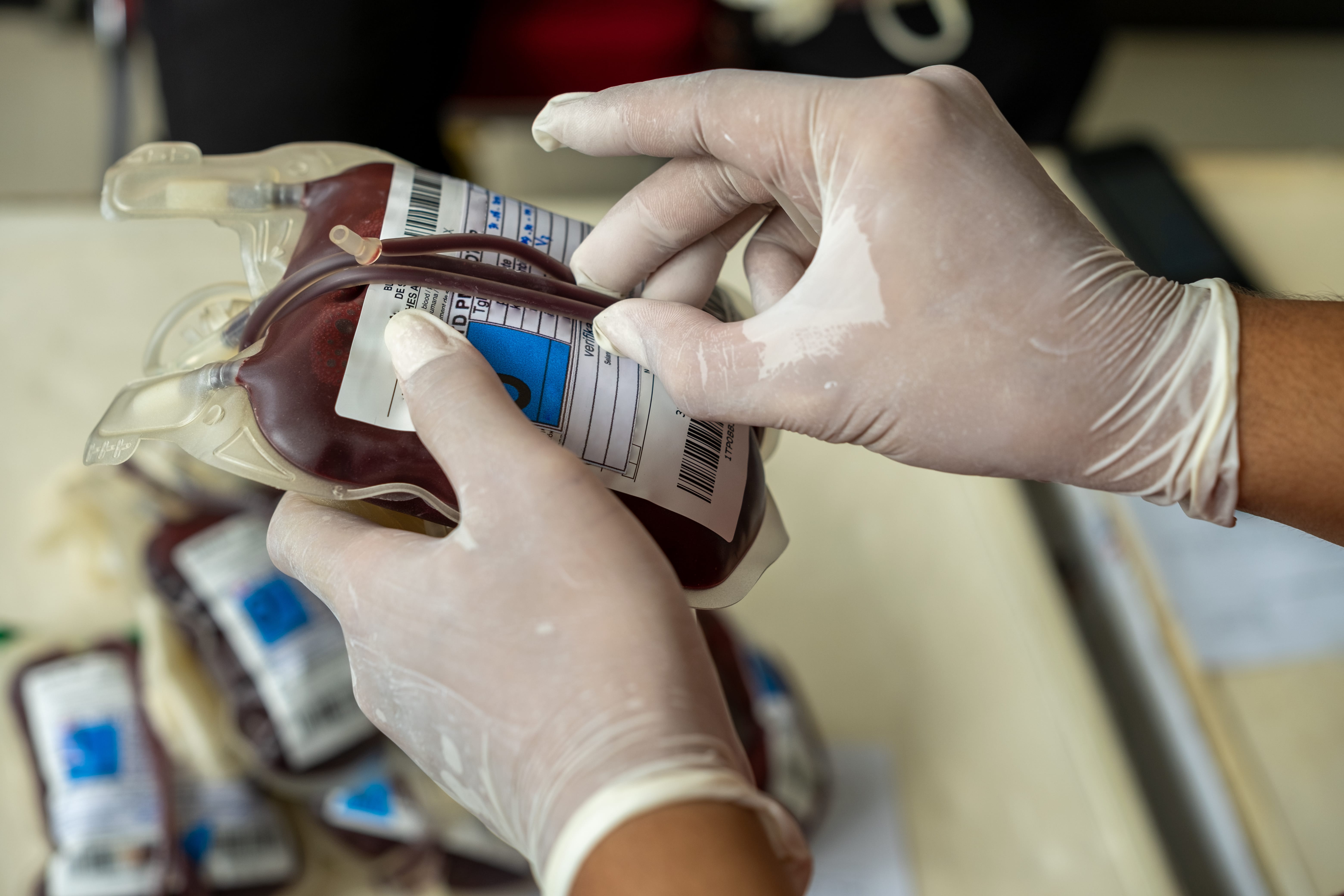
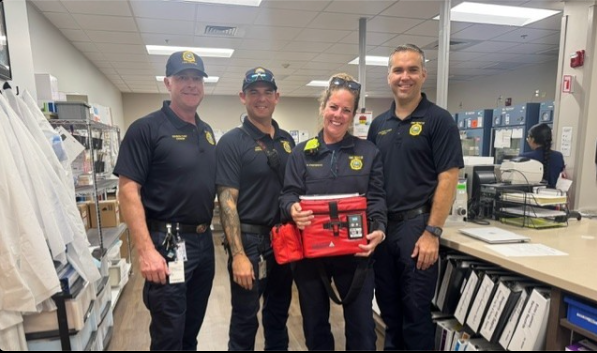
Stretching that funding means making every unit count. Dr. Emily Coberly, chief medical officer at the American Red Cross, recommends three things. Put blood on the vehicles most likely to meet bleeding patients. Work with hospital partners to rotate units nearing expiration to where they'll be used. Support local blood drives. Each of these depends on blood stored reliably and tracked. Arkansas agencies are already doing this work. Russellville Fire Department recently launched its prehospital blood program with the APRU 6L Portable Blood Refrigerator and BloodCOMM® Premium, and Delta Development Team supports several other agencies across the state. The APRU 6L holds up to six 450 mL units and the Delta ICE 2L Smart Blood Cooler holds two, both at 2 to 6°C. Both are FDA Listed and send temperature readings to BloodCOMM®, which gives agencies and blood bank partners a continuous cold chain record to support rotation and accountability.
Whether your agency is still building the case for a program or has funding ready to put to work, Delta Development Team supports the full implementation, not just the equipment. Explore our prehospital blood program guidance, or contact our team to talk through your next steps.