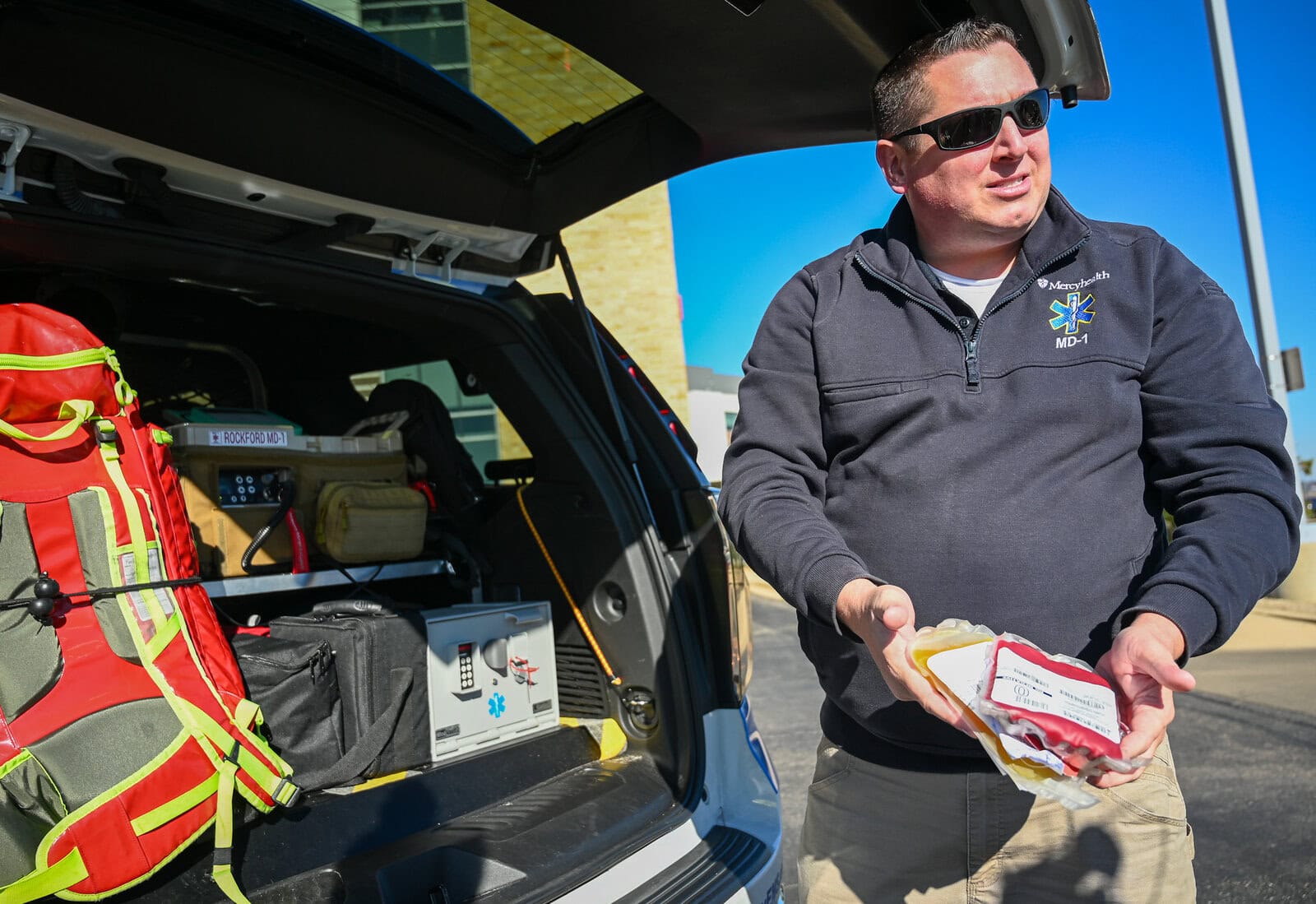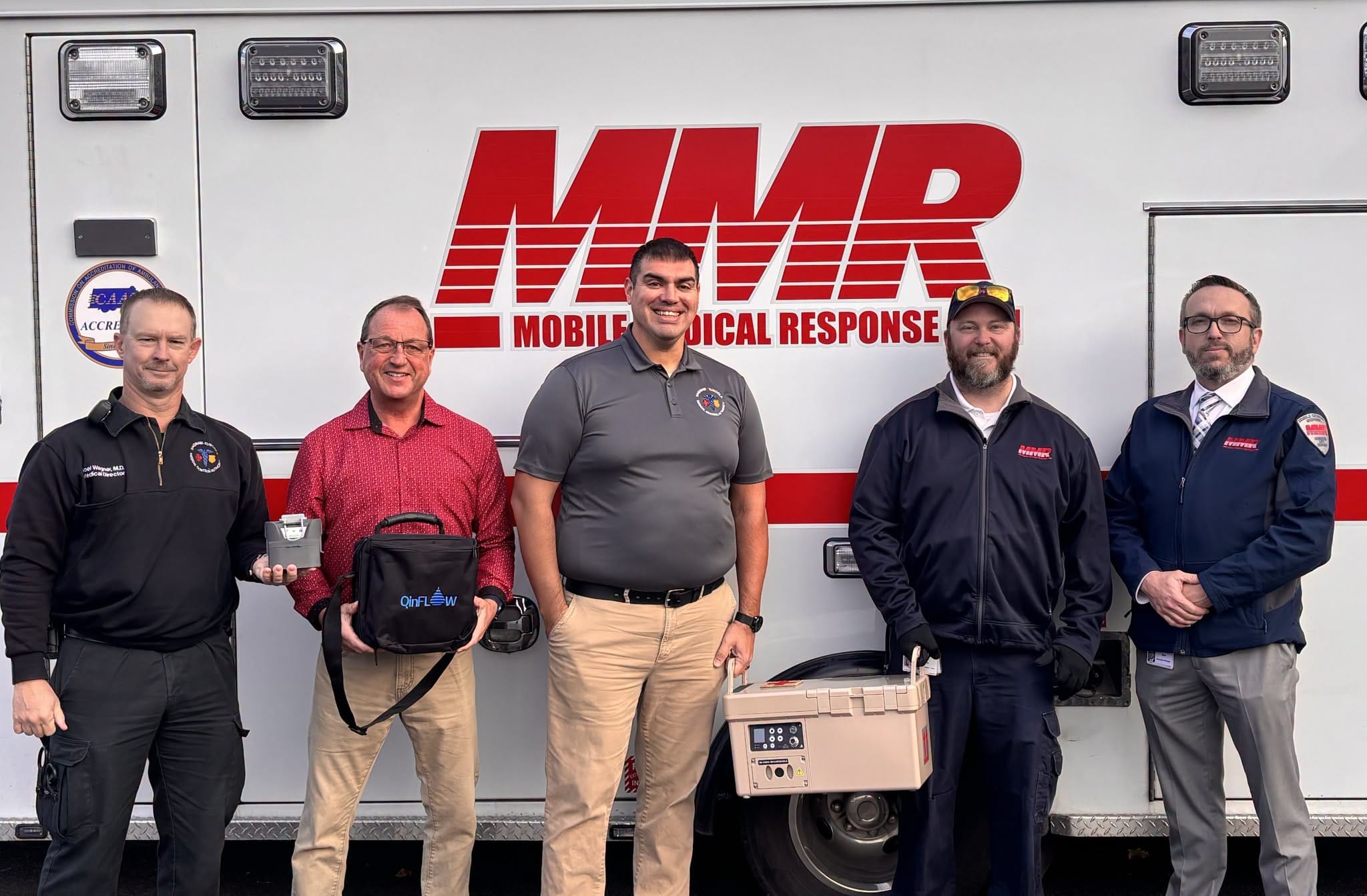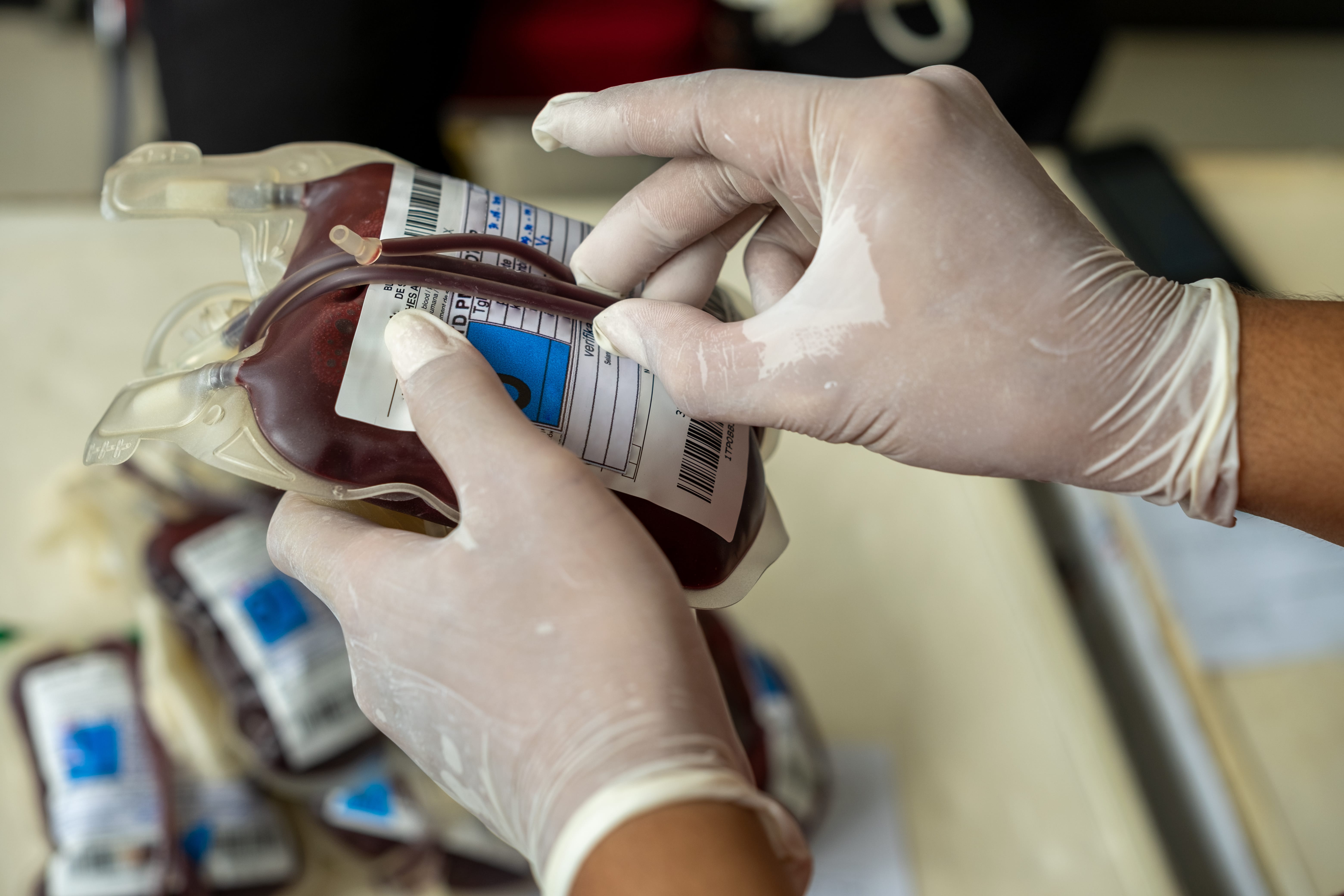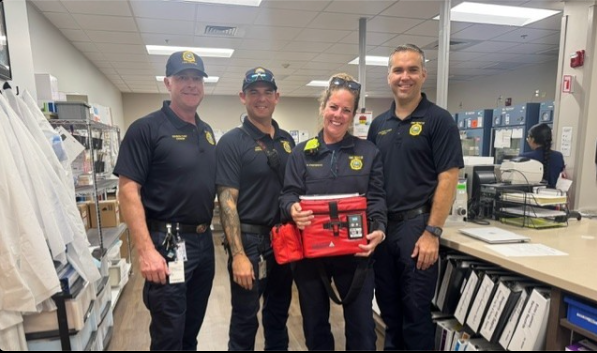

The federal government wants to hear from the EMS community about what it will take to make prehospital blood transfusion available nationwide, and comments are due November 5, 2026.
On behalf of the Federal Interagency Committee on Emergency Medical Services (FICEMS), the National Highway Traffic Safety Administration (NHTSA) has published a Request for Information (RFI) on the nationwide implementation of prehospital blood transfusion. The RFI asks for input on the barriers agencies face today and the solutions that could help more of them launch and sustain blood programs.
A national goal: 2,028 agencies by 2028
Nearly 500 EMS agencies currently run active prehospital blood transfusion programs. FICEMS has set a goal of growing that number to 2,028 agencies by the end of 2028.
The reason is clear. Severe bleeding remains a leading cause of preventable death after traumatic injury, and FICEMS has made prehospital blood a priority in its strategic planning. Its stated aims include helping EMS systems prevent up to 10,000 deaths each year and reducing overall mortality from severe bleeding by 5% by 2028.
The RFI builds on the national Prehospital Blood Transfusion Summit that FICEMS hosted in Washington, DC, in June 2025, which brought together nearly 900 stakeholders from EMS, 911, trauma surgery, blood banking, public health and regulatory organizations.
What FICEMS wants to know
The core question is what stands in the way of reaching the 2028 goals, and what could help. Alongside growing the number of agencies with blood programs, those goals cover 911 pre-arrival instructions for patients with life-threatening bleeding, transfusion rates for adult and pediatric patients, and outcomes data captured in the National EMS Information System (NEMSIS).
The RFI also invites input on:
- 911 call-taking and crash notification: how structured call-taking protocols and Advanced Automatic Crash Notification (AACN) can speed care for patients with severe bleeding
- Pediatric care: establishing prehospital pediatric emergency care coordinators nationwide
- Data integration and outcomes: linking local, state and national data systems to track and measure prehospital transfusion
- Military-civilian integration: how lessons from military medicine can strengthen civilian practice, logistics, cold-chain management and clinical training
- Education and training: curriculum improvements to support transfusion medicine and clinical competency in EMS
Who should respond
EMS and 911 professionals are especially encouraged to comment, but the RFI is open to everyone. FICEMS is seeking input from public, private, governmental, academic and professional organizations, public interest groups and any other interested parties.
You don't need an established blood program to have something valuable to say. Agencies that are running programs today, agencies working toward launch, and agencies just beginning to explore prehospital blood all see different parts of the picture. Hearing about the barriers at every stage, from funding and blood supply to protocols, storage and training, will help shape how federal agencies support the expansion of prehospital blood nationwide.
How to submit your comments
Comments must be submitted by November 5, 2026, and must reference Docket No. NHTSA-2026-2113.
The easiest way to respond is online through Regulations.gov. A few things to keep in mind:
- Online comments are limited to 5,000 characters, but you can attach a longer document.
- All comments are posted publicly, so leave out any personal or patient information you don't want shared.
- Comments can also be submitted by mail or hand delivery; details are in the full RFI.
Submit your comments on Regulations.gov
Read the full RFI on the Federal Register
At Delta Development Team, we've seen firsthand how much EMS agencies can accomplish when they bring blood to the patient. We encourage everyone working to expand prehospital blood, at any stage, to make their voice heard.