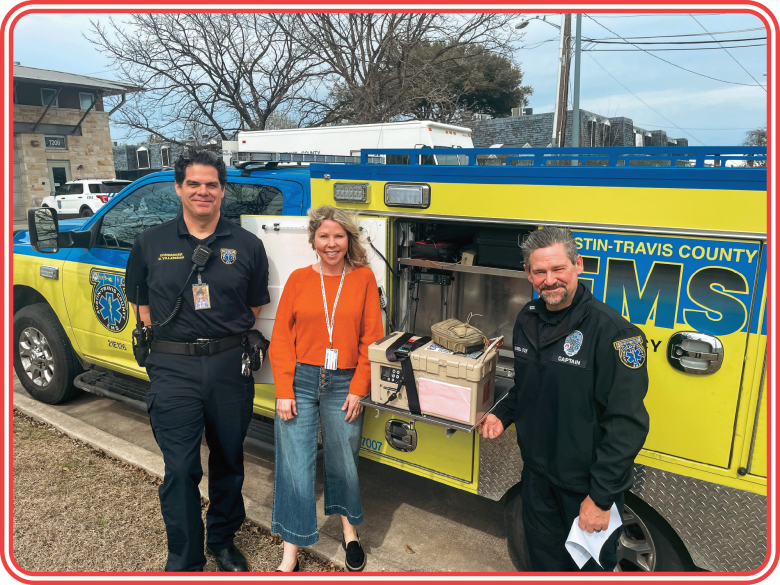
Austin-Travis County EMS and Central Texas blood bank We Are Blood have spent months preparing for a scenario they hope never happens: a mass casualty incident where multiple patients need blood transfusions at once. In the spring, the two organizations launched a mass casualty incident whole blood deployment plan, built to bring additional blood supplies directly to large-scale emergency scenes, whether that's an active shooter incident, an aircraft crash, or any event that overwhelms ATCEMS's normal resources, as reported by the Austin Chronicle. The protocol has never had to be activated for a real emergency, and officials say that's exactly the point. The preparation itself is what matters.
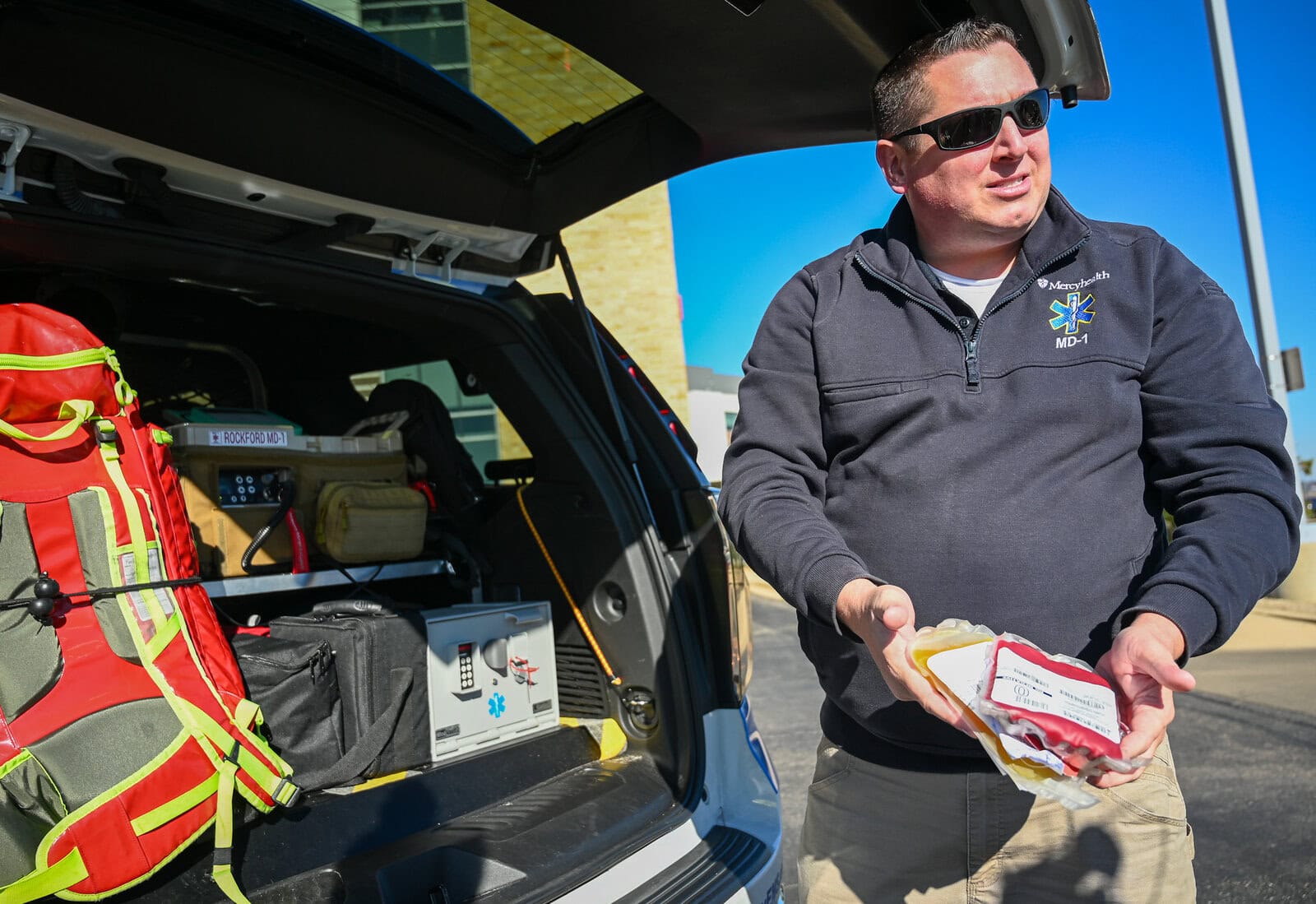
ATCEMS has carried blood on many of its ambulances for years, giving paramedics the ability to start transfusions before patients ever reach a hospital. As that program grew, ATCEMS and We Are Blood recognized they needed a bigger strategy for the moment multiple patients need blood at the same time. Joshua Todd, ATCEMS division chief of performance improvement, put it plainly: looking back over a career in EMS, there were people who didn't survive simply because crews didn't have blood on hand or the ability to transfuse it. That's the gap the mass casualty plan was built to close.
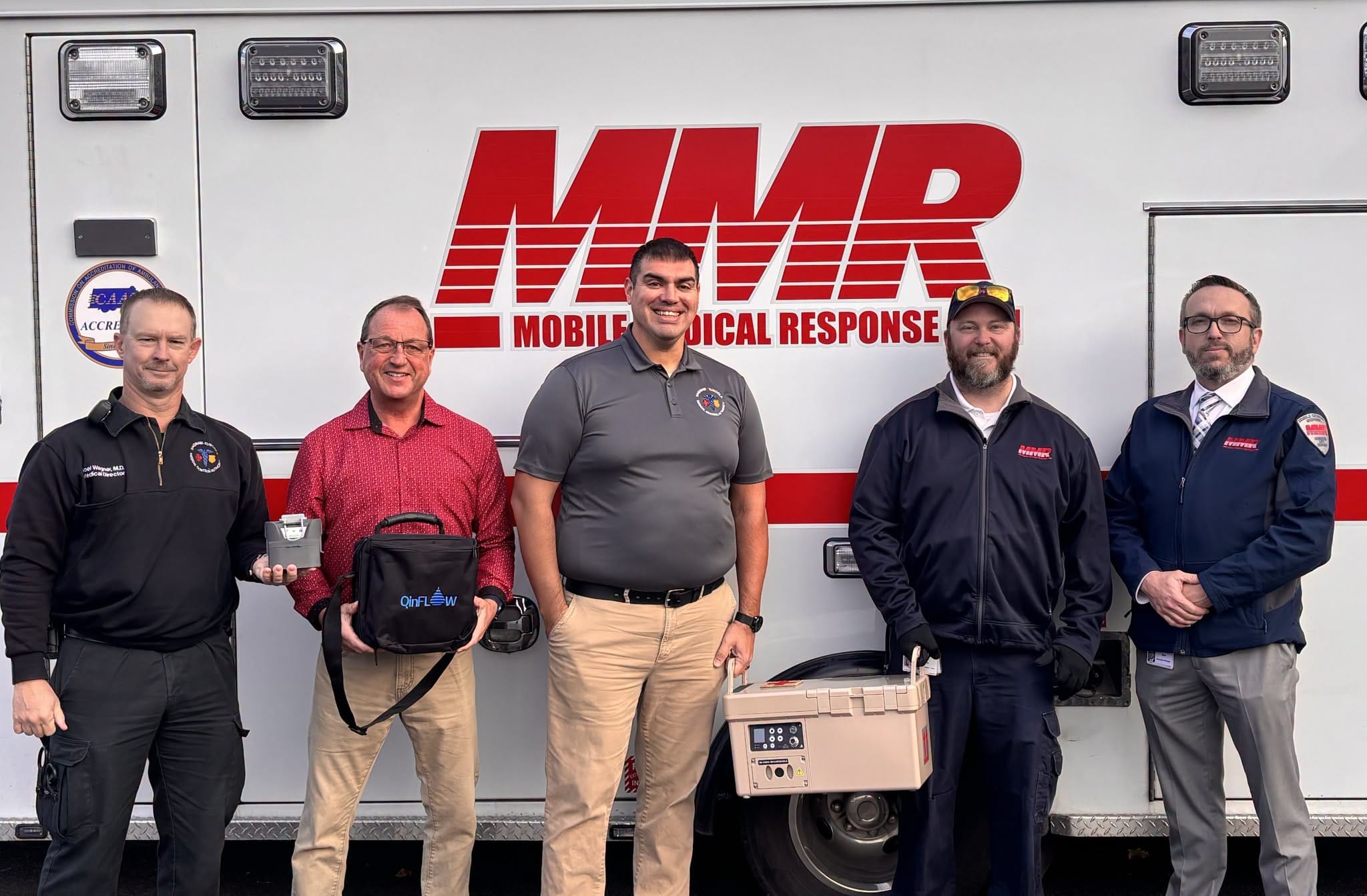
Getting there took more than talk. The organizations ran tabletop discussions and full-scale simulations, including an aircraft crash drill where volunteers were moulaged with mock injuries and treated as real casualties, moved through the same multidisciplinary response a real incident would require. ATCEMS carries several APRU 6Ls to help keep blood viable and organized in exactly these kinds of scenarios, and DDT is proud to continue supporting a program built on this level of preparation. ATCEMS Captain Patrick Eaves said the exercises taught the team a lot about the easiest ways to track where blood units go once a response is underway, especially once multiple people are calling in requests for blood at the same time.
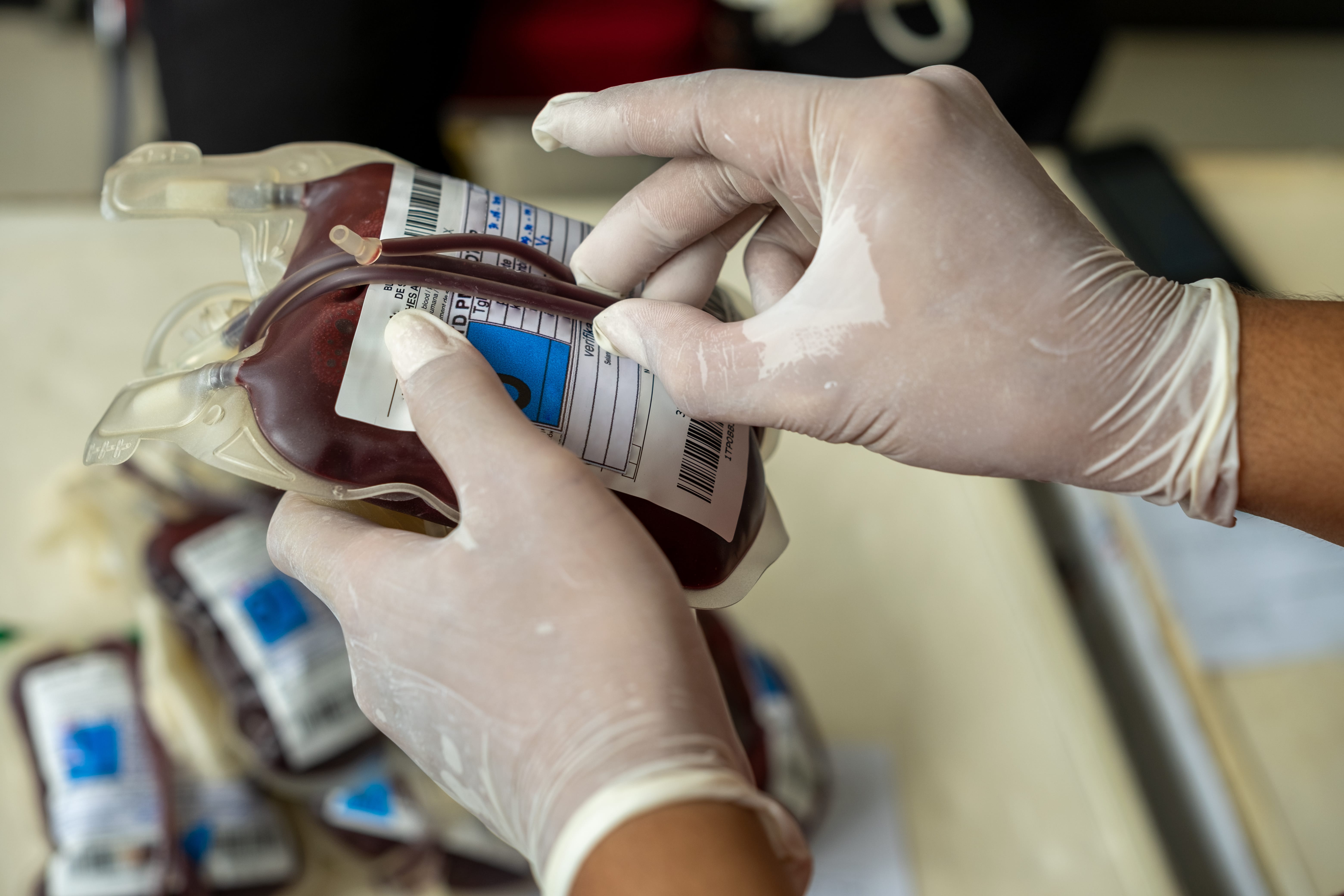
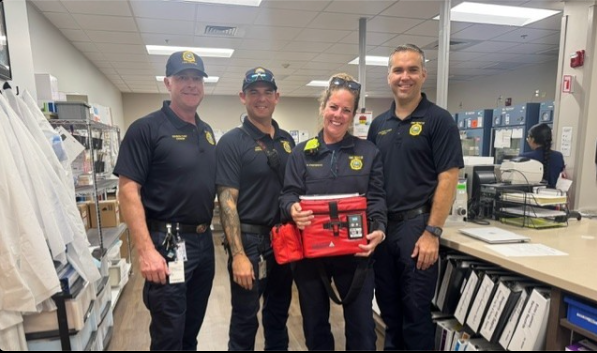
Every unit involved has to stay within a specific temperature range and be accounted for throughout an emergency, whether it's used or eventually returned. We Are Blood built its side of the system to flex with that need, packaging blood into transport containers that stay temperature-controlled for up to 24 hours so supplies can be distributed without compromising their integrity. None of it works, though, without donors. Justine Garza, We Are Blood's vice president of business development, said it's the blood already on the shelf at the time of a disaster that ends up saving lives, blood donated days or weeks earlier by people who never know exactly when or where it will be needed.
Todd said the collaboration behind this program has reshaped emergency response across Central Texas, and he's right that there are people walking around Austin today because of transfusions they received in the field. DDT has been proud to partner with Austin-Travis County EMS for a long time now, and stories like this one are a good reminder of what that partnership supports. If you want to see more, check out We Are Blood's Instagram post on the program and give it a follow or a comment.