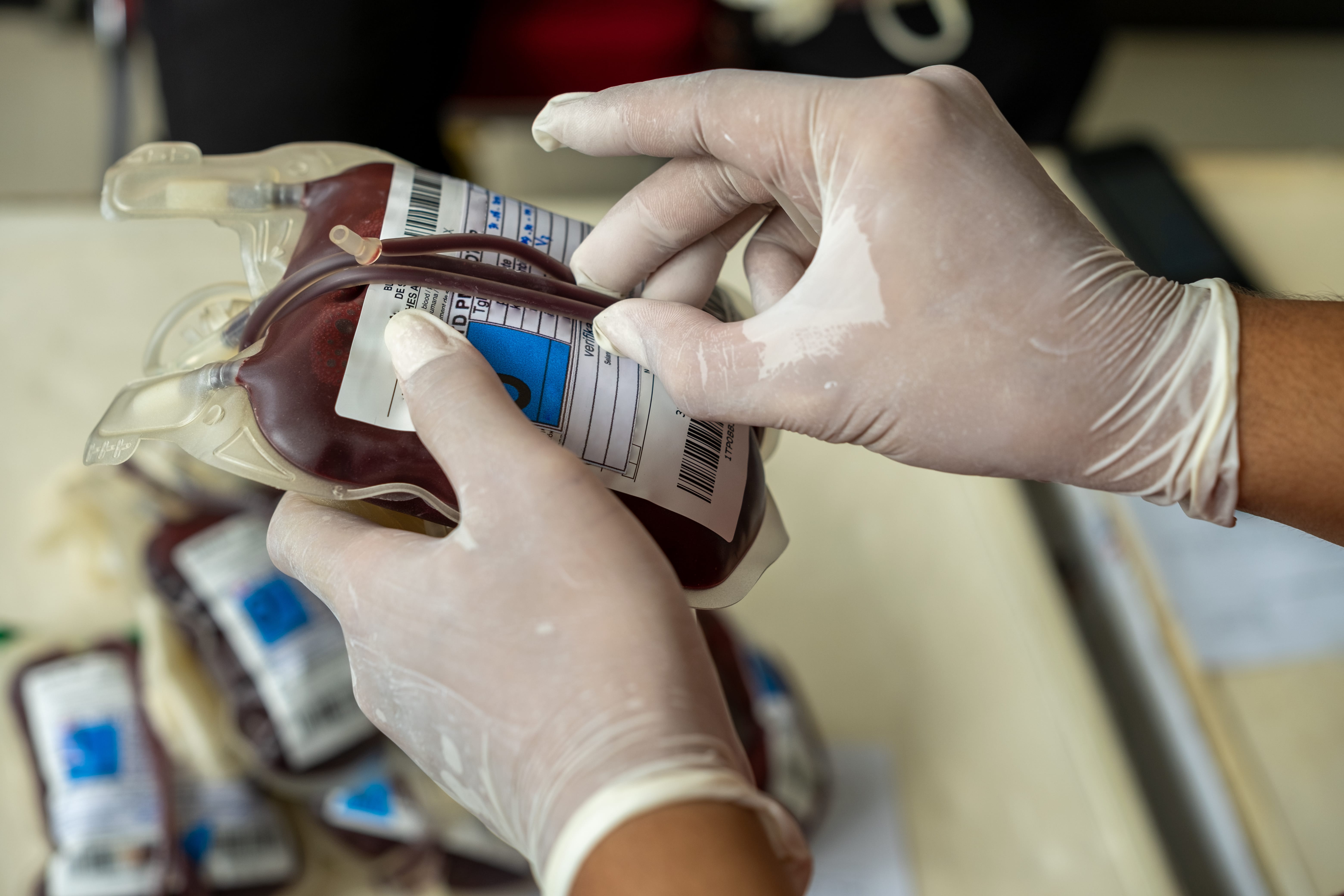
Cooper University Health Care in Camden, New Jersey, has marked a major milestone in trauma care: its 1,000th whole blood transfusion for a critically injured patient. As South Jersey's only Level I Trauma Center and the busiest trauma center in the Philadelphia region, Cooper has been a leader in whole blood resuscitation since launching its program in 2016, making it one of the earliest adopters in the country.
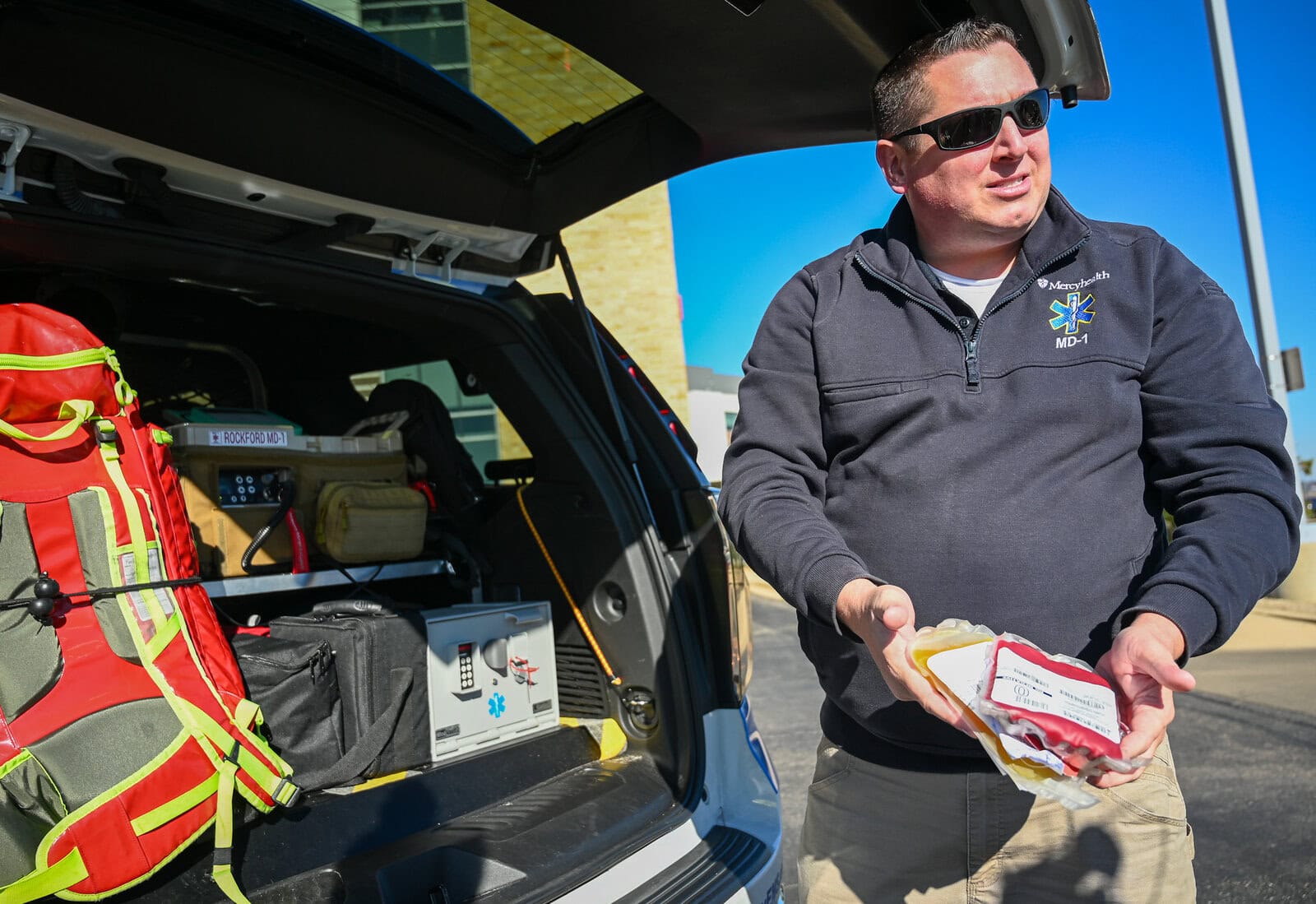
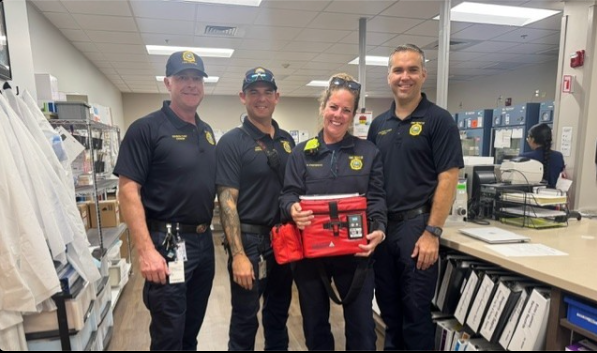
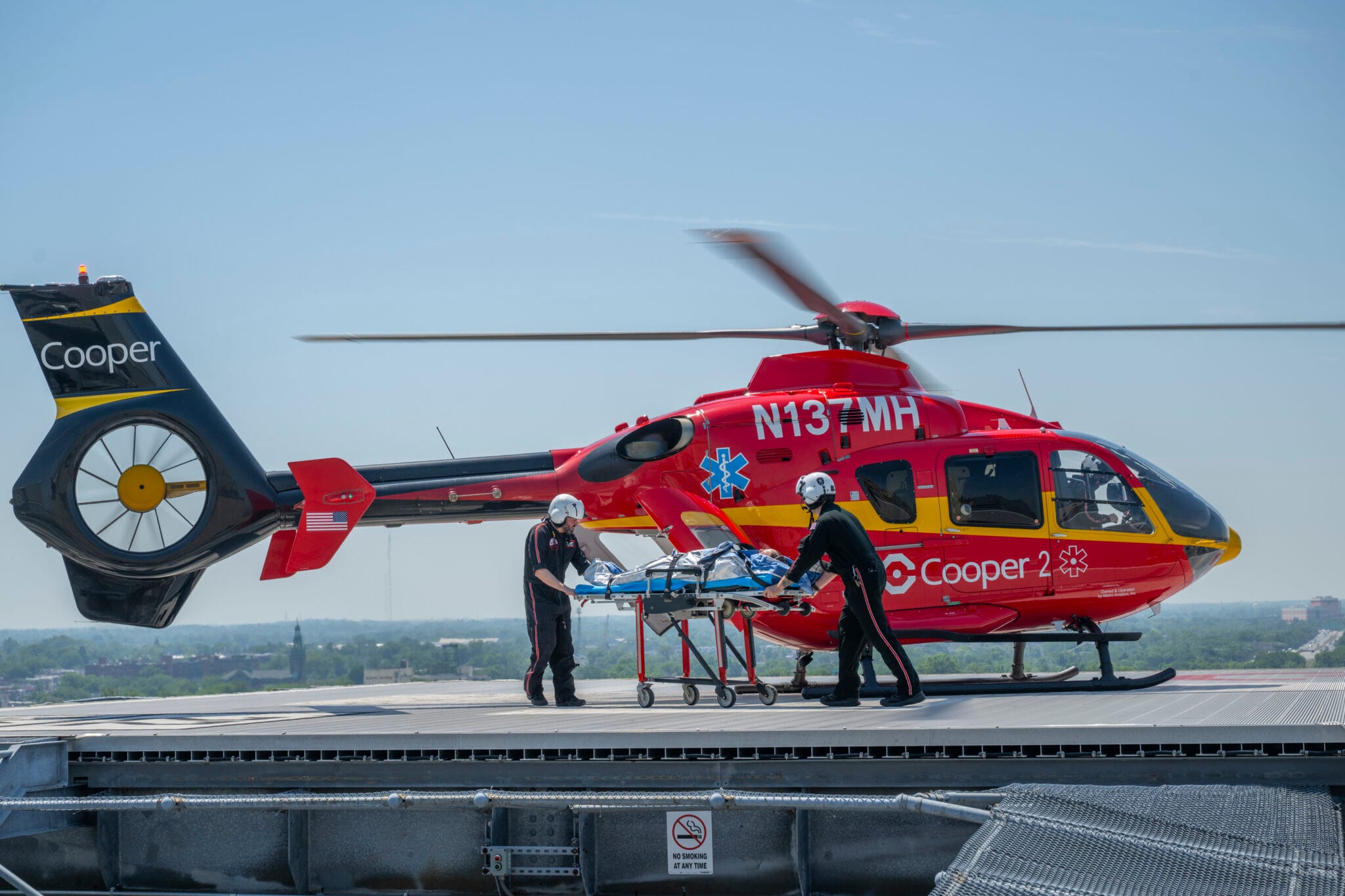
What began inside the hospital has grown into a regional effort that brings blood to patients wherever they need it. Whole blood is now carried in Cooper's Trauma Center, aboard Cooper Air Medical helicopters, with Cooper EMS physicians, and through regional EMS partners including Virtua ALS, SouthStar EMS, and Inspira ALS. That reach means patients with life-threatening bleeding can begin receiving transfusions at the scene or during transport, long before they arrive at the trauma bay.
Dr. John M. Porter, head of the Division of Trauma Surgery at Cooper, described the milestone as a reflection of lives saved and years of innovation, noting that severe bleeding remains one of the leading causes of preventable death after injury. Cooper reports that since expanding into the prehospital setting, it has documented numerous cases where early whole blood helped stabilize patients before hospital arrival and reduced how much blood many of them needed afterward. The health system is also looking ahead, researching emerging approaches such as drone delivery of blood products to emergency scenes.
Delta Development Team is proud that the Delta ICE 2L Smart Blood Cooler supports Cooper's program. Built to keep blood products at safe temperatures in the field, the Delta ICE 2L helps crews carry whole blood with confidence, whether on the ground or in the air, so the focus stays on the patient.
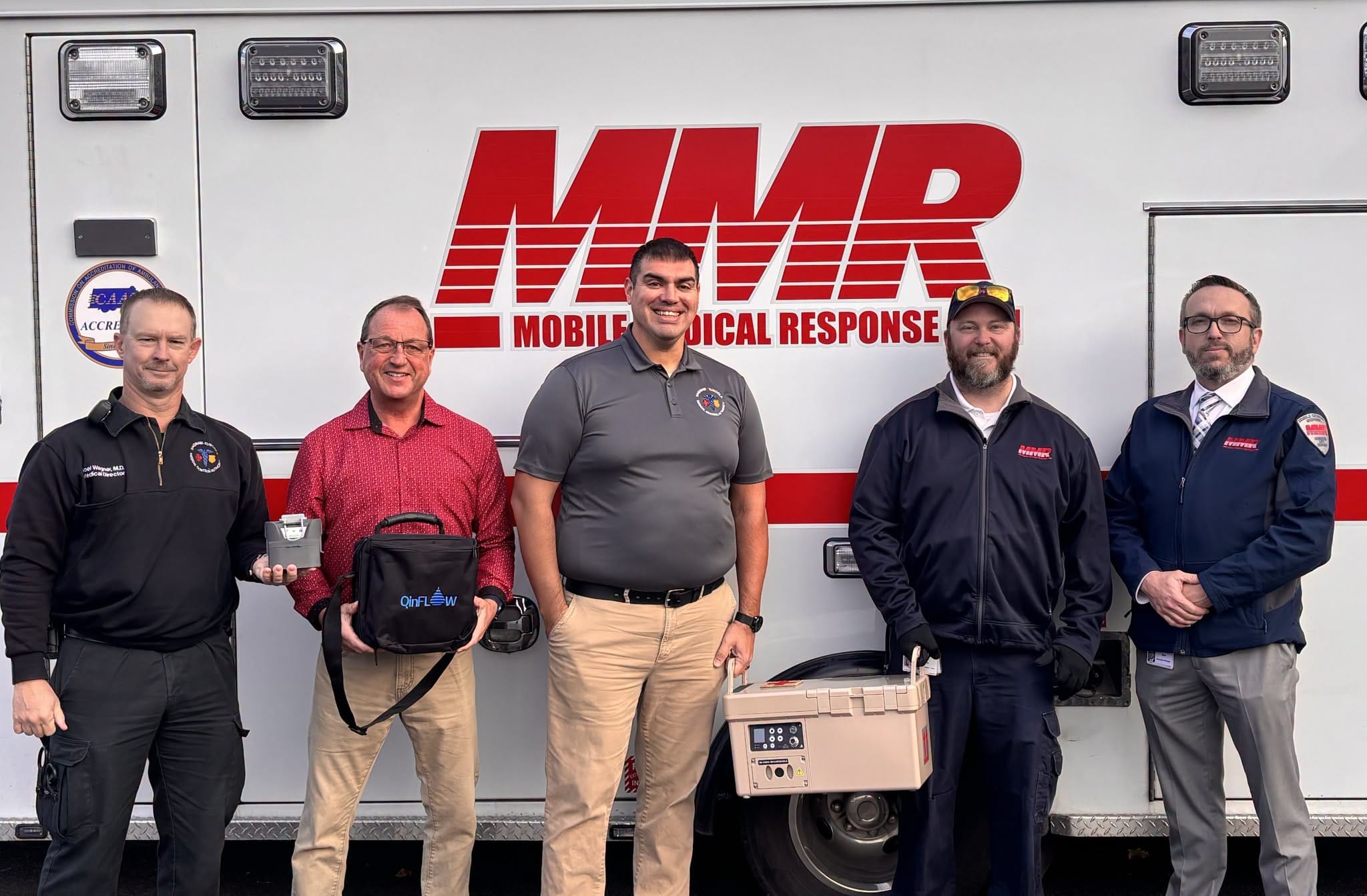
Congratulations to Cooper University Health Care and its EMS and air medical partners on reaching 1,000 transfusions. Programs like this show what's possible when trauma surgeons, flight crews, paramedics, and blood bank teams work together to get blood where it's needed, when it's needed most.