
Forbes recently shed light on a critical aspect of emergency response in the United States in the unfortunate event of a terrorist attack. Their article underscored the pressing need for increased resources to facilitate prehospital blood transfusions, an essential life-saving measure often hindered by a lack of available support.
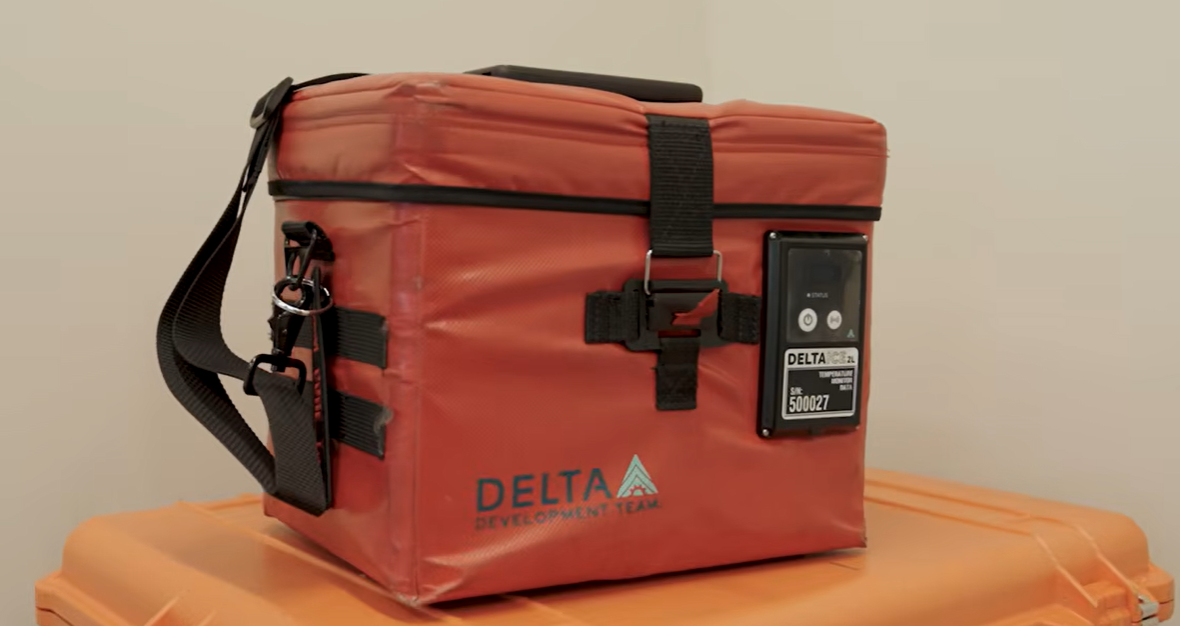
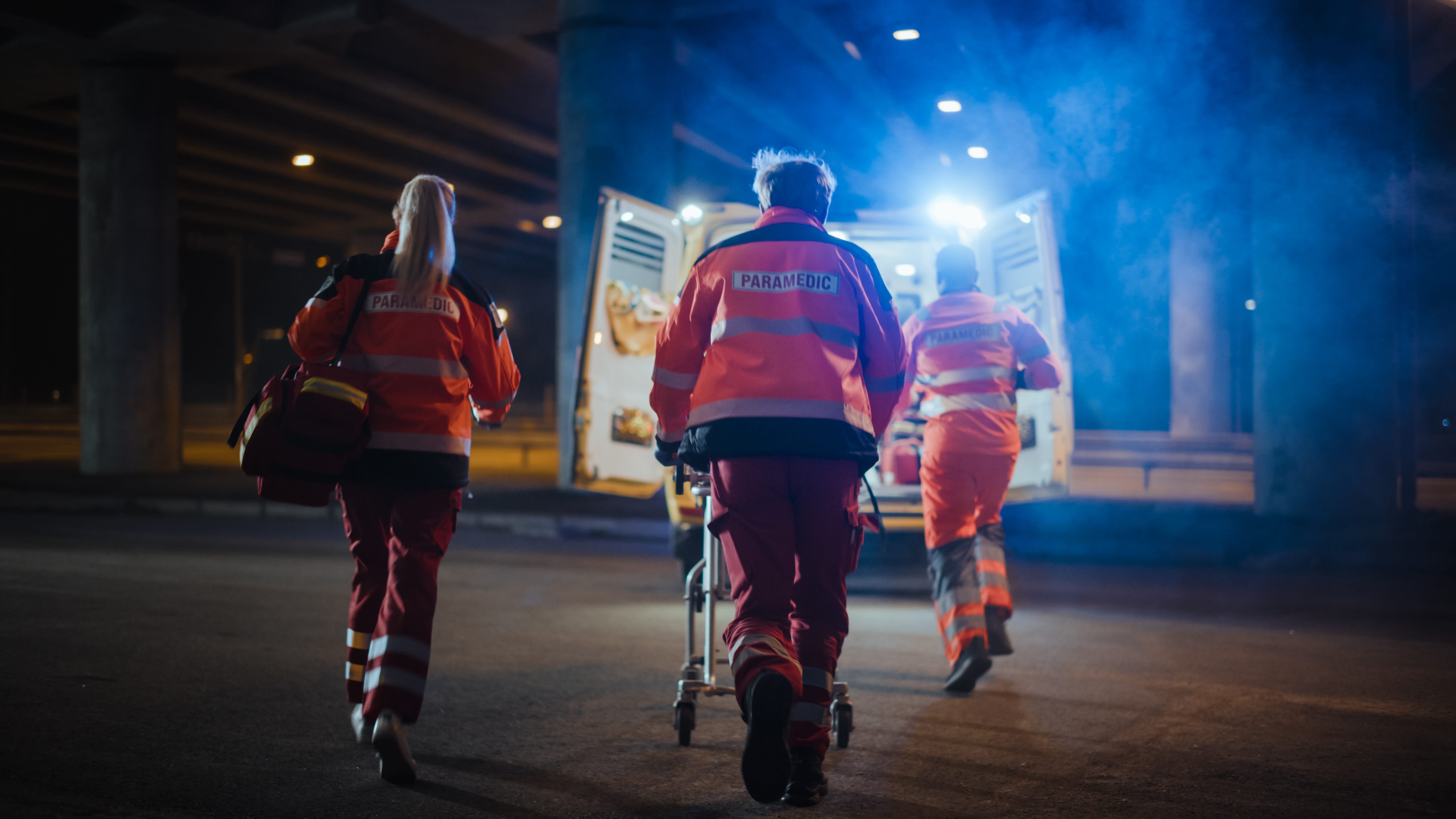
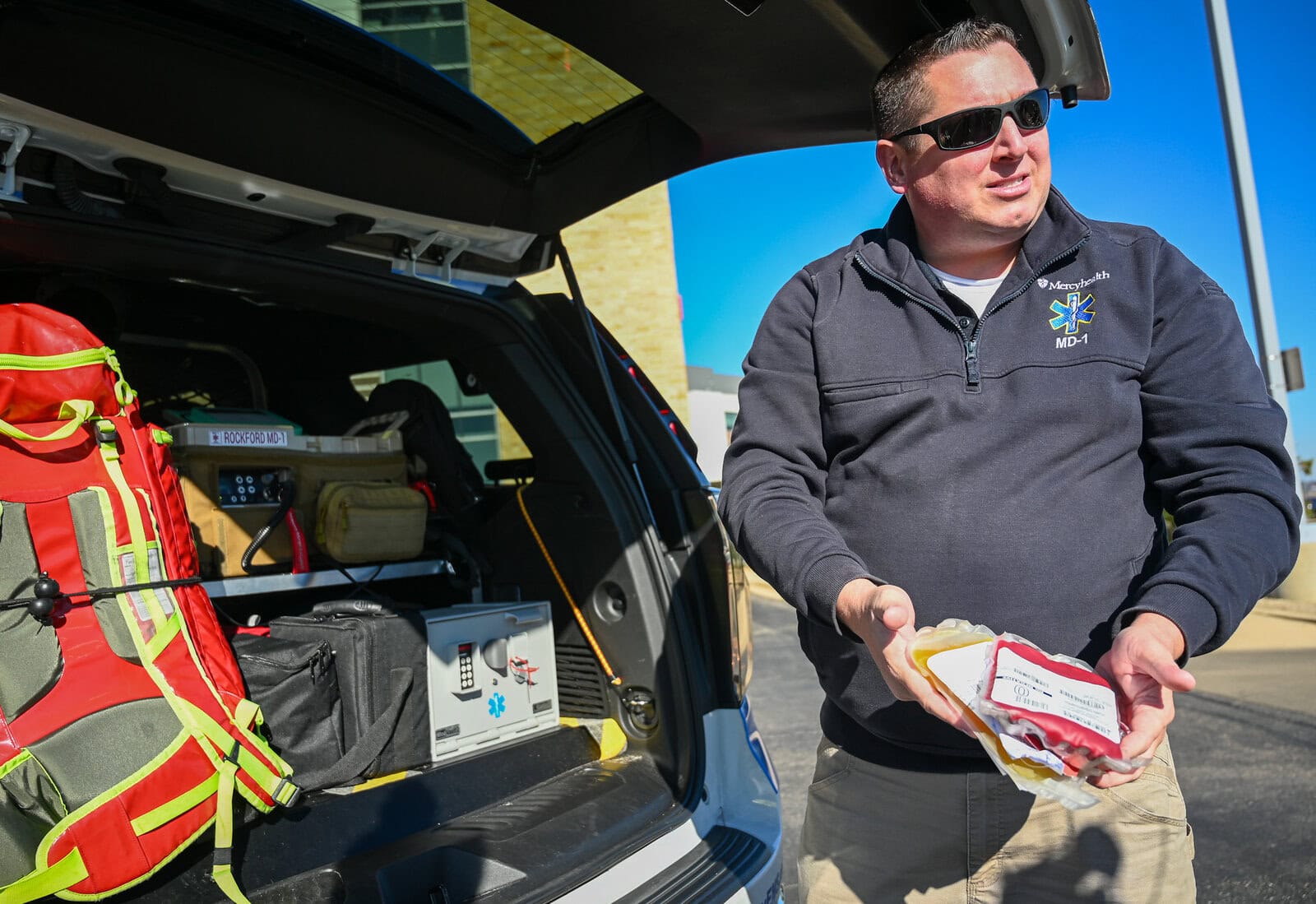
The article emphasized the vital role of immediate medical interventions during crises, particularly the significance of prehospital blood transfusions. These interventions, administered swiftly at the site of an incident, can significantly enhance survival rates for those critically injured in such harrowing events.
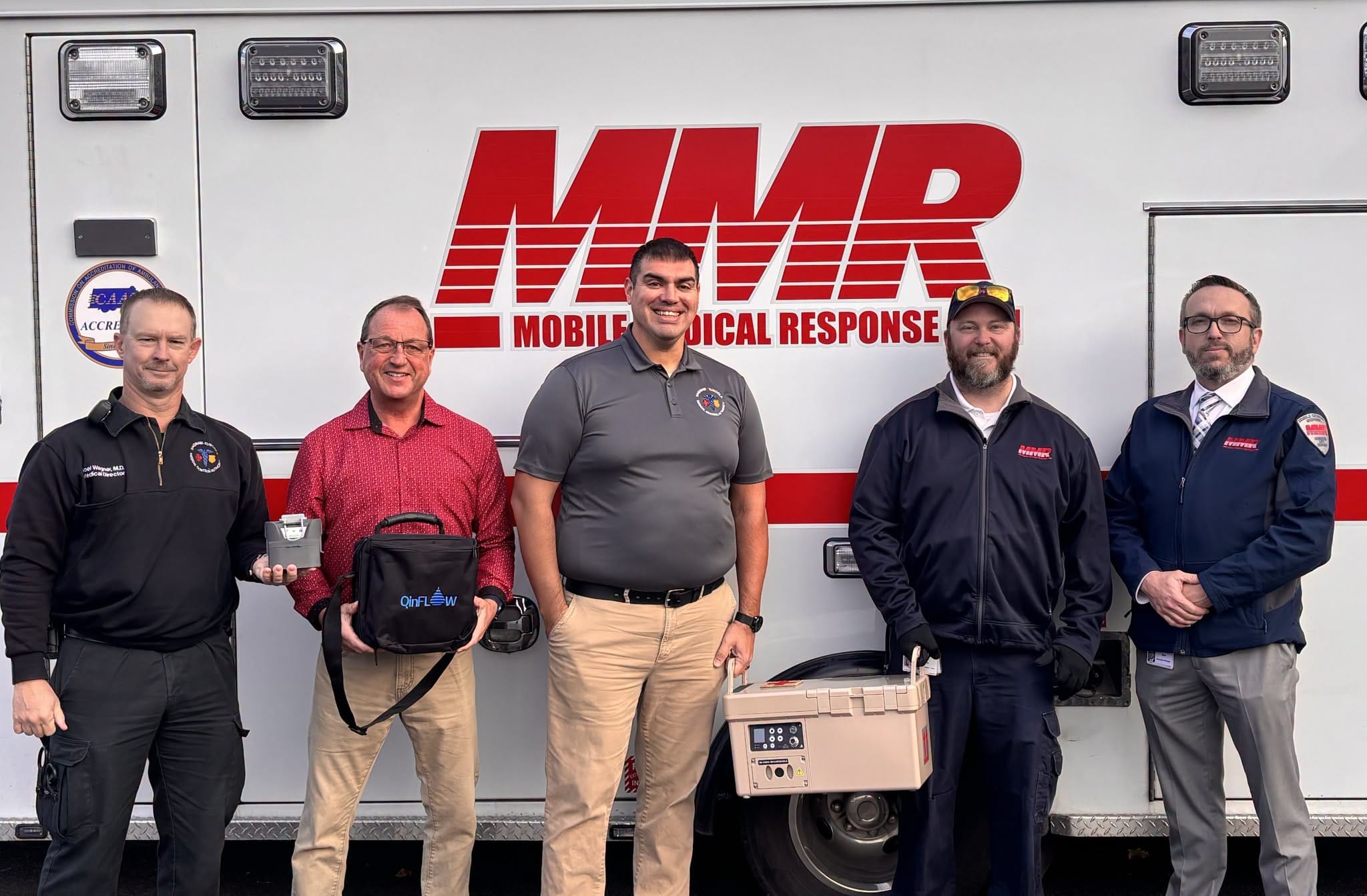
However, despite the clear need and proven effectiveness of prehospital transfusions, the piece highlighted the alarming scarcity of resources allocated toward enabling this crucial step in emergency medical care, especial in rural areas. Insufficient infrastructure and limited access to necessary supplies pose significant obstacles to implementing this life-saving procedure efficiently.
In a time when preparedness and swift responses are paramount, addressing these resource gaps becomes imperative. Forbes' spotlight on this critical issue serves as a call to action, urging stakeholders to prioritize and invest in initiatives that enhance the nation's readiness to respond effectively to such tragic events. It underscores the necessity of proactive measures in fortifying the nation's emergency medical response capabilities.
As discussions around bolstering national resilience continue, the insights provided by Forbes will hopefully spark concerted efforts to bridge these resource gaps, ensuring that timely and life-saving interventions, like prehospital blood transfusions, become readily accessible in times of crisis.
Read further here.