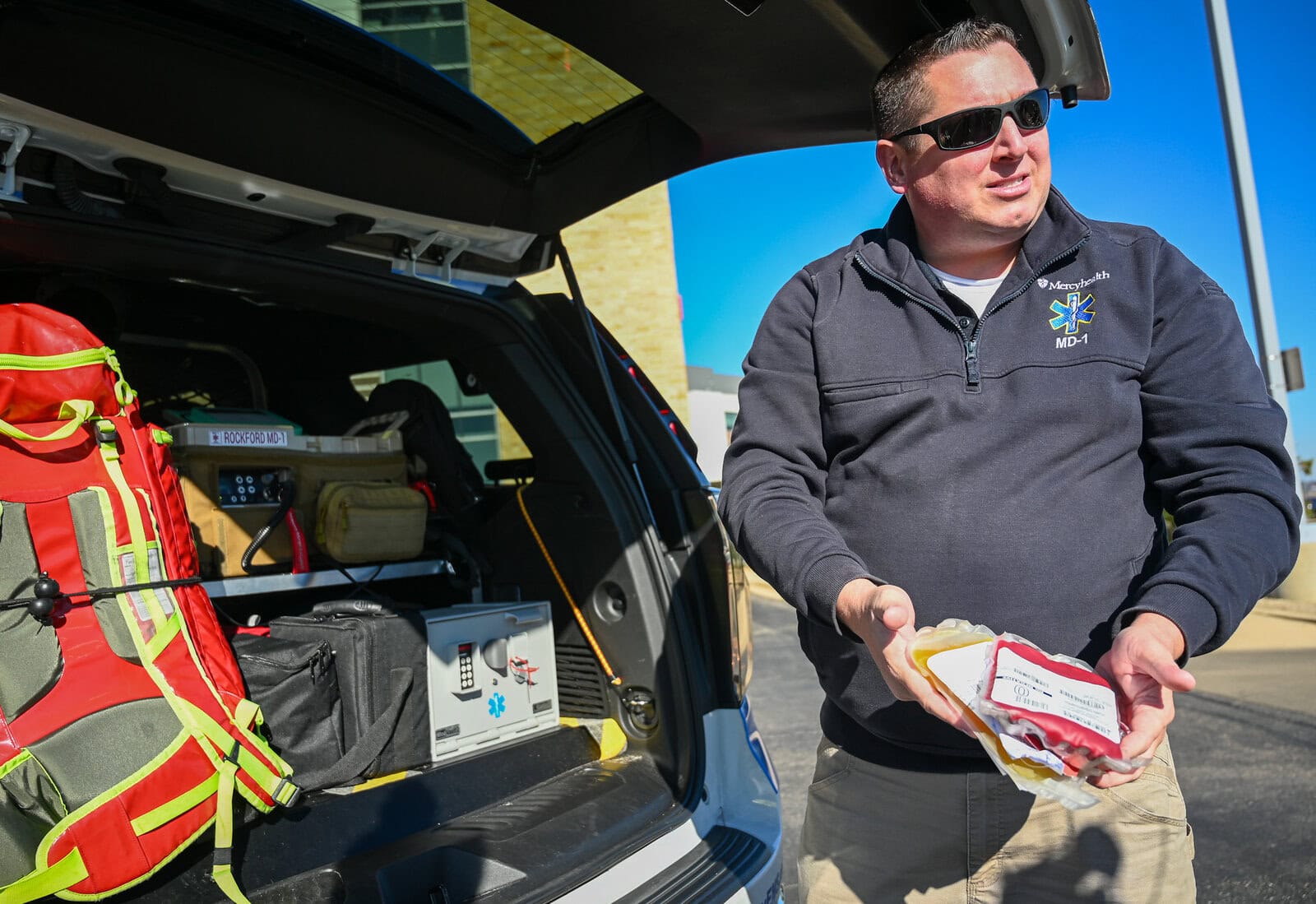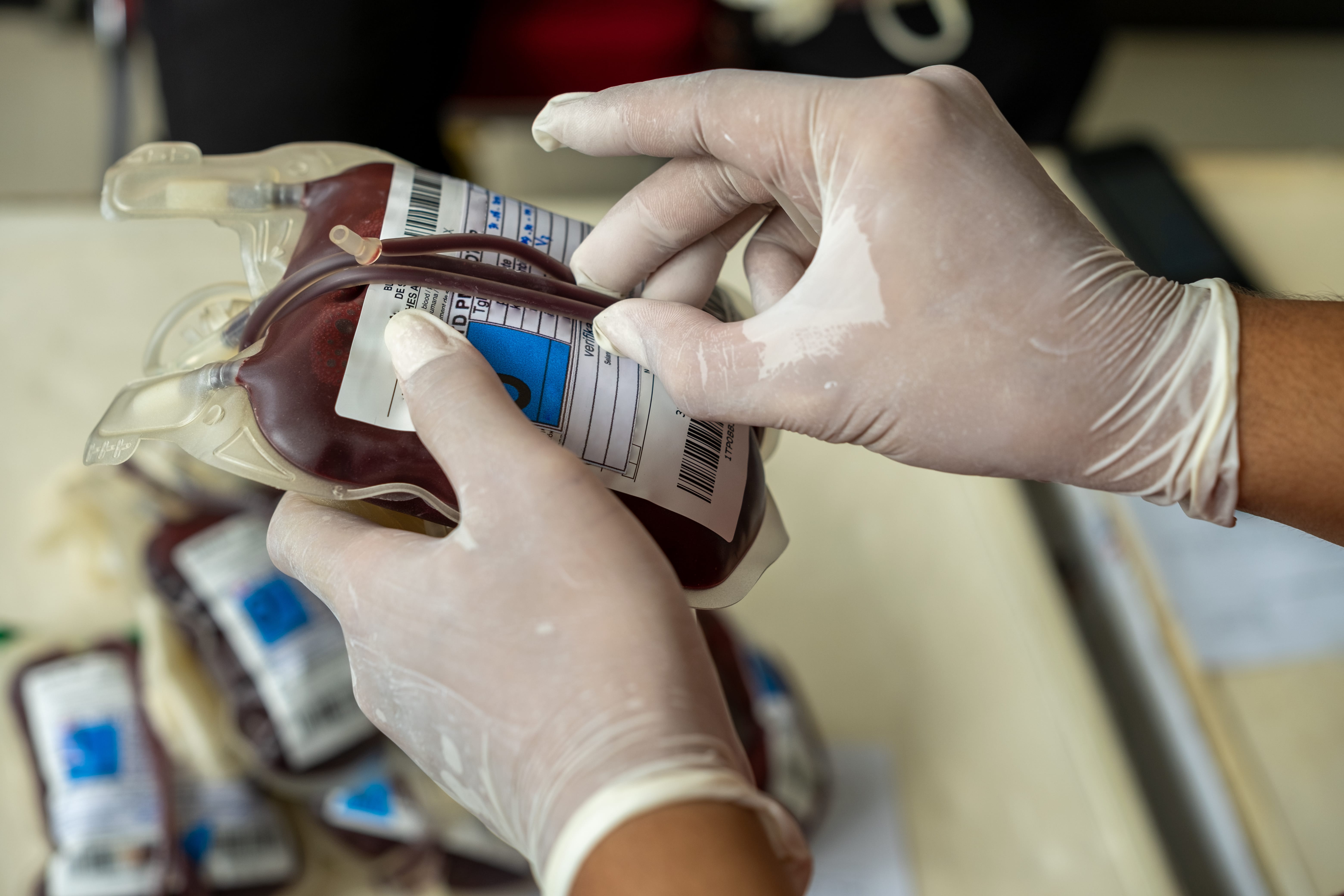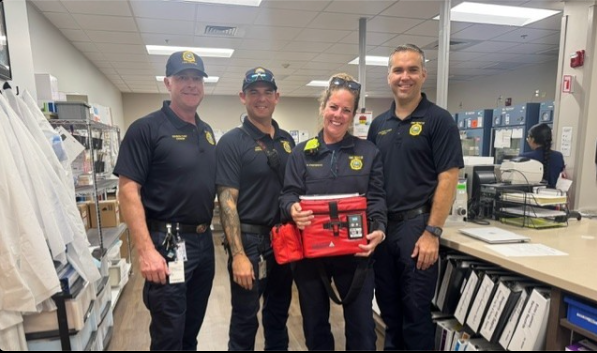
Ambulance crews in Hazleton have added something new to their gear over the past few months: blood. Michael Pribila, EMS operations manager for Lehigh Valley Health, says local crews started transfusing blood in the field three months ago and have already saved at least one life. Since June, crews have given 17 units of blood to 15 patients, ranging from medical conditions that caused blood loss to traumatic injuries, including one gastrointestinal bleed that Pribila says would have been fatal without prehospital blood.
The program didn't happen overnight. Pennsylvania permitted emergency workers to administer blood outside hospitals in 2023, following the military and states like Texas and Colorado that had already made the shift. Lehigh Valley spent the time since developing protocols and training its teams, starting a year ago with interfacility transports, patients who needed blood while traveling between hospitals, a trip that used to require a helicopter or the network's single critical care ambulance. Now any of the six advanced life support ambulances serving Hazleton can handle those transports. In June, the program expanded again, and ALS crews began dispensing blood to patients at homes, accident sites, and anywhere else they're called.
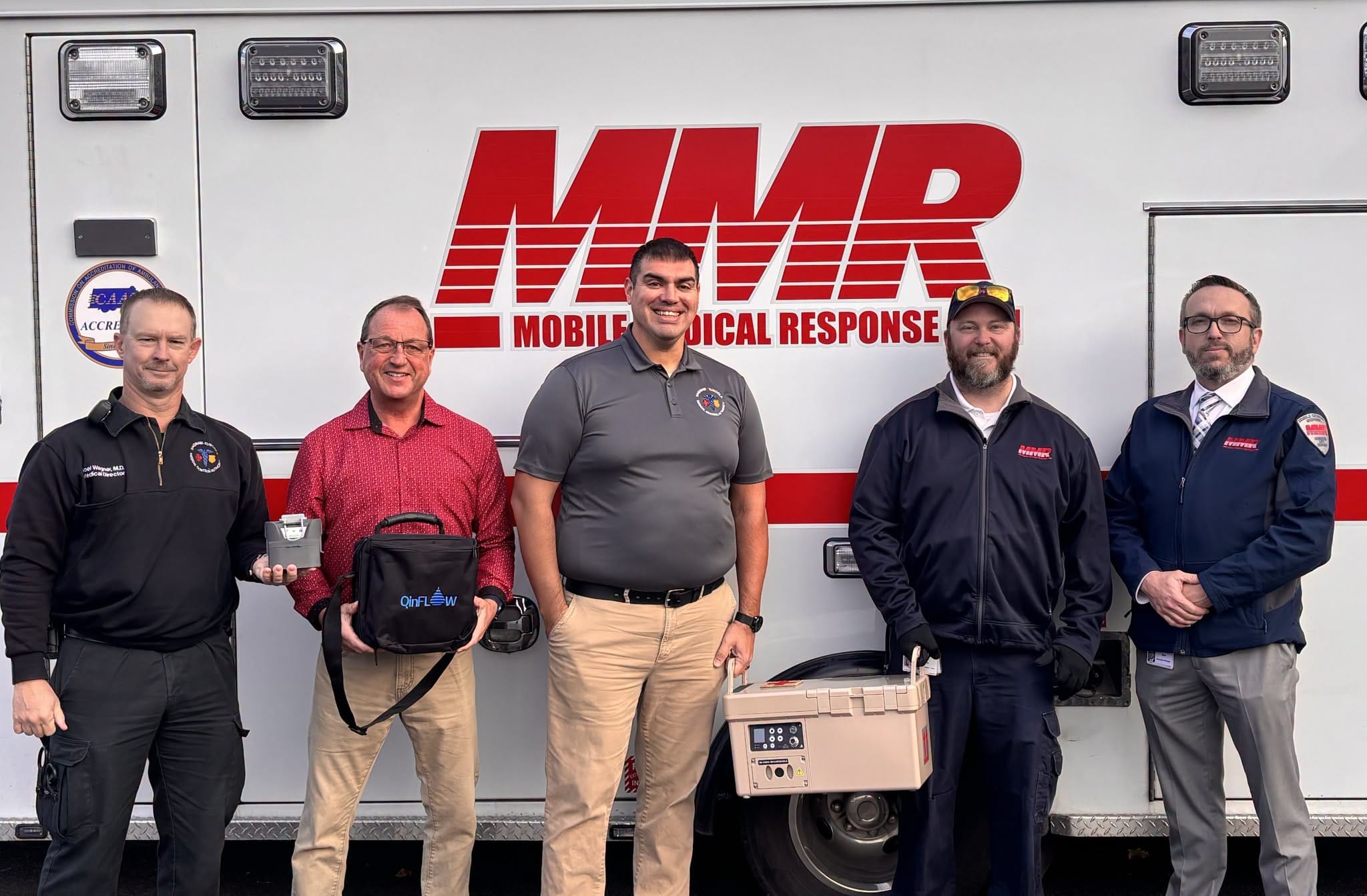
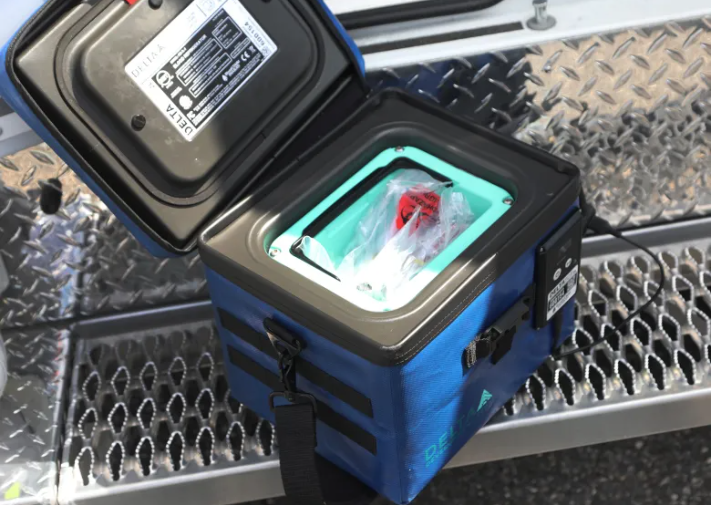
Even with the expansion, ambulances don't carry blood on every run. Pribila says the risk of spoilage is too high to justify it, so crews instead pack blood when they're headed to a call they expect will need it, or call the base for a colleague to deliver it if the need becomes clear once they're on scene. Those coolers are Delta ICE 2Ls, and DDT is proud to be part of keeping Hazleton's blood supply viable in the field. Lehigh Valley uses whole blood or packed red cells of type O negative, the universal donor type, and crews decide whether to transfuse based on a patient's vitals and their score on a shock index. As Dr. Kira Weaver, vice chair of emergency and hospital medicine at Lehigh Valley Hospital-Hazleton, put it, once the vitals say go, the crew goes.
The gear behind the program isn't cheap or simple. A cooler that preserves blood in the field runs about $5,000, ambulances carry a $6,000 warmer that blood passes through before it reaches the patient, and crews also carry a transfusion device capable of delivering 150 milliliters a minute when a patient needs blood fast. So far, Pribila says the program hasn't lost a single unit to spillage or an opened pack going unused, a track record that speaks to how tightly the process has been run since day one.
Programs like this one are part of a broader shift in EMS. Doctors with the American College of Surgeons estimated a year ago that prehospital blood treatments could save 10,000 lives annually, and about 80 percent of states have now permitted the procedure. Lehigh Valley's Monroe County ambulances also carry blood, and around the network's Lehigh Valley base, ambulances serving Allentown, Bethlehem, and St. Luke's University Health Network do too, though ambulances covering Schuylkill County hospitals don't yet. Hazleton's results are a strong local example of what's possible once the training, protocols, and equipment are in place, and DDT is glad to have a hand in it.
Original source: https://www.standardspeaker.com/2026/09/17/lifesaving-delivery-local-ambulance-crews-start-dispensing-blood/