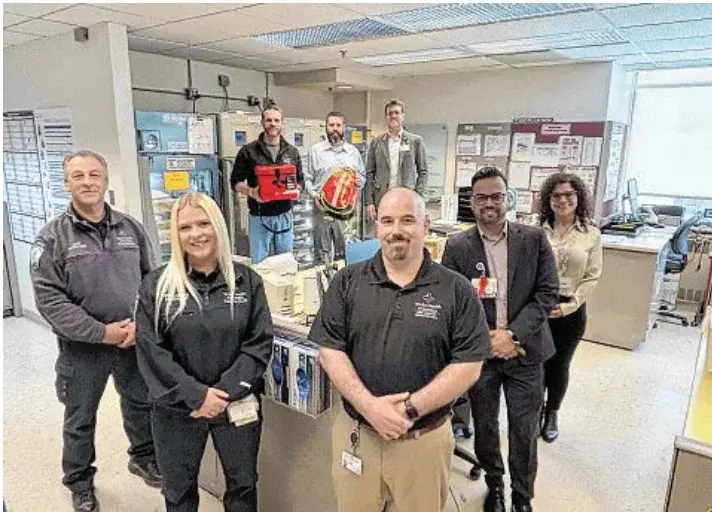
The evolution of emergency medicine often begins in the most challenging environments, and today, those lessons are reshaping care closer to home.
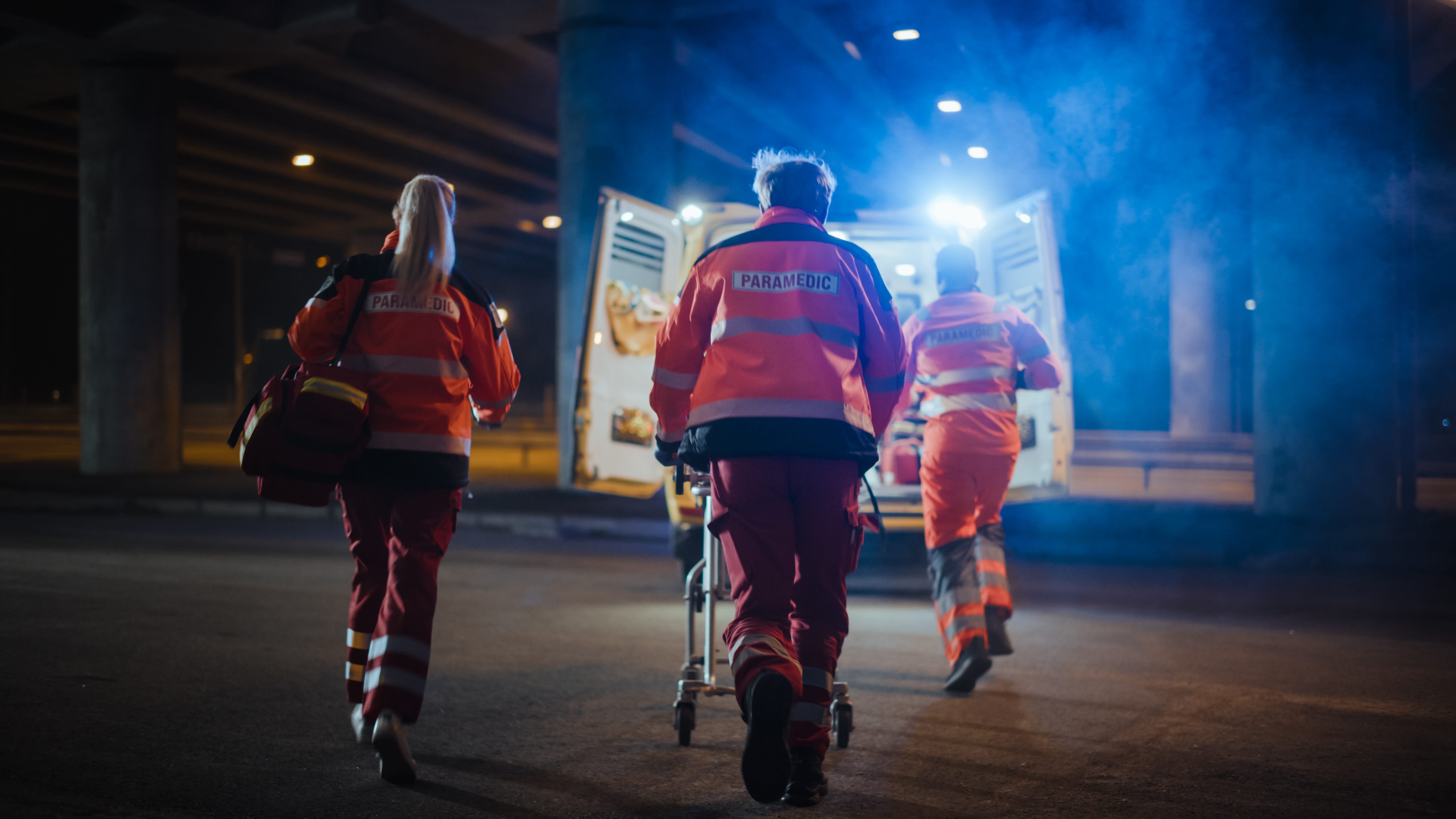
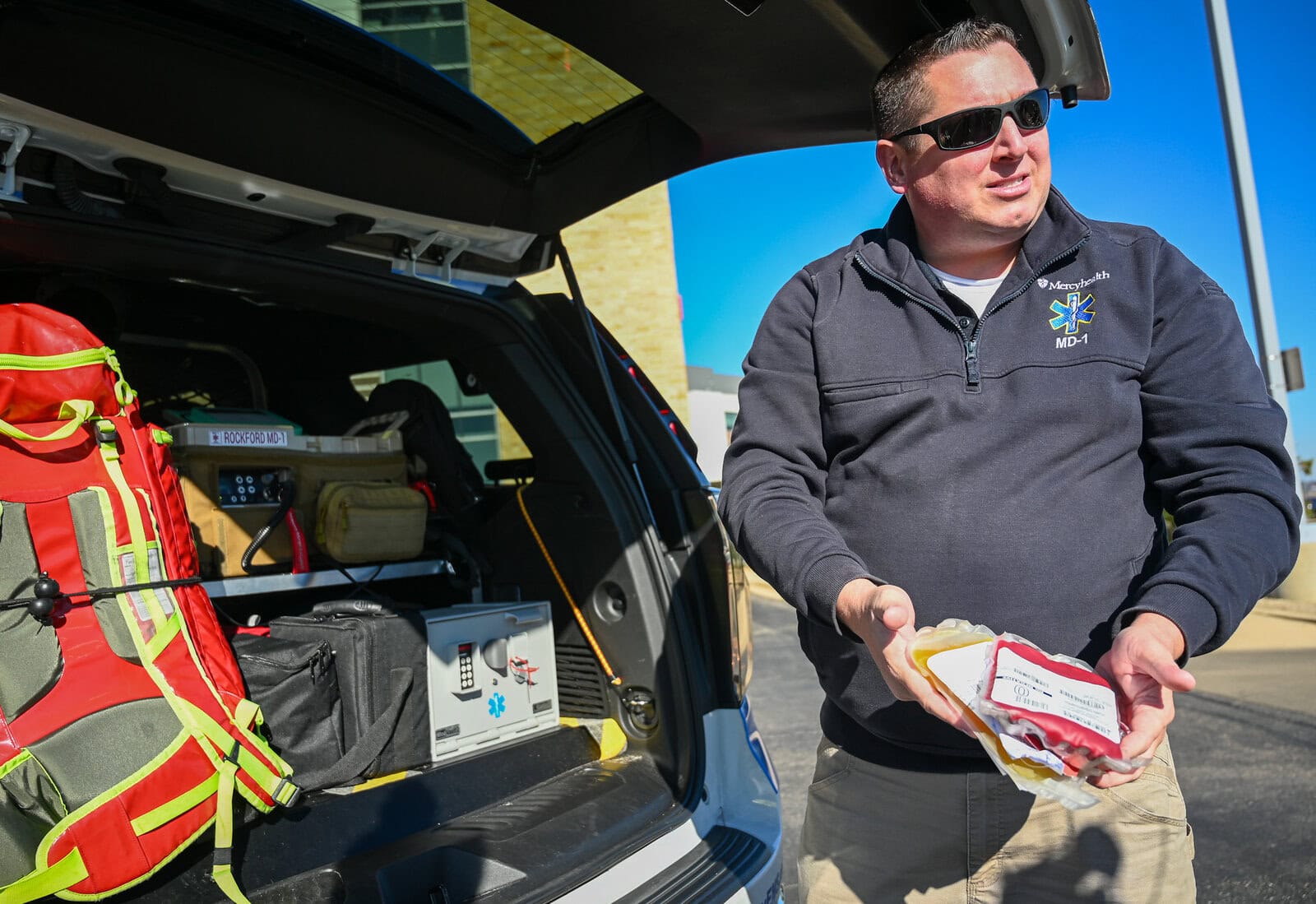
Across Connecticut, first responders are increasingly adopting whole blood programs inspired by military medicine, where rapid, simplified transfusion protocols proved critical in saving lives on the battlefield. Now, healthcare leaders and EMS teams are applying those same principles at the scene of car crashes, traumatic injuries, and other emergencies, bringing lifesaving care directly to patients.
The impact is significant. Treating severe hemorrhage with whole blood at the point of injury not only simplifies care delivery but also improves patient outcomes by reducing delays. As experts continue to highlight, getting blood to the patient quickly remains one of the most effective ways to prevent avoidable deaths in trauma cases.
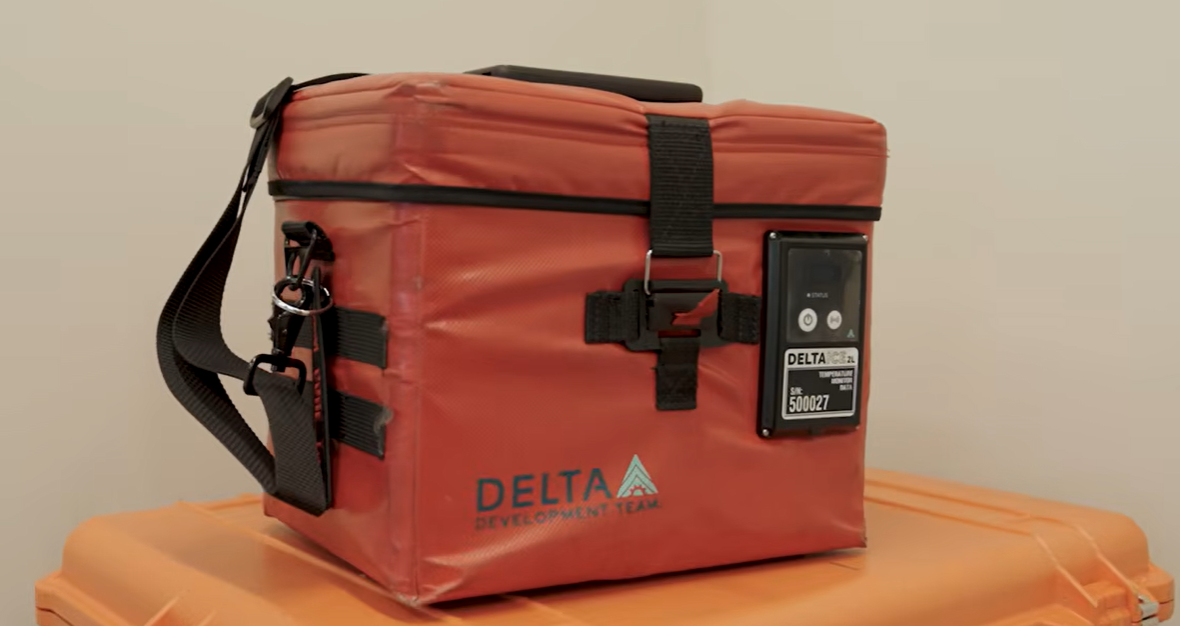
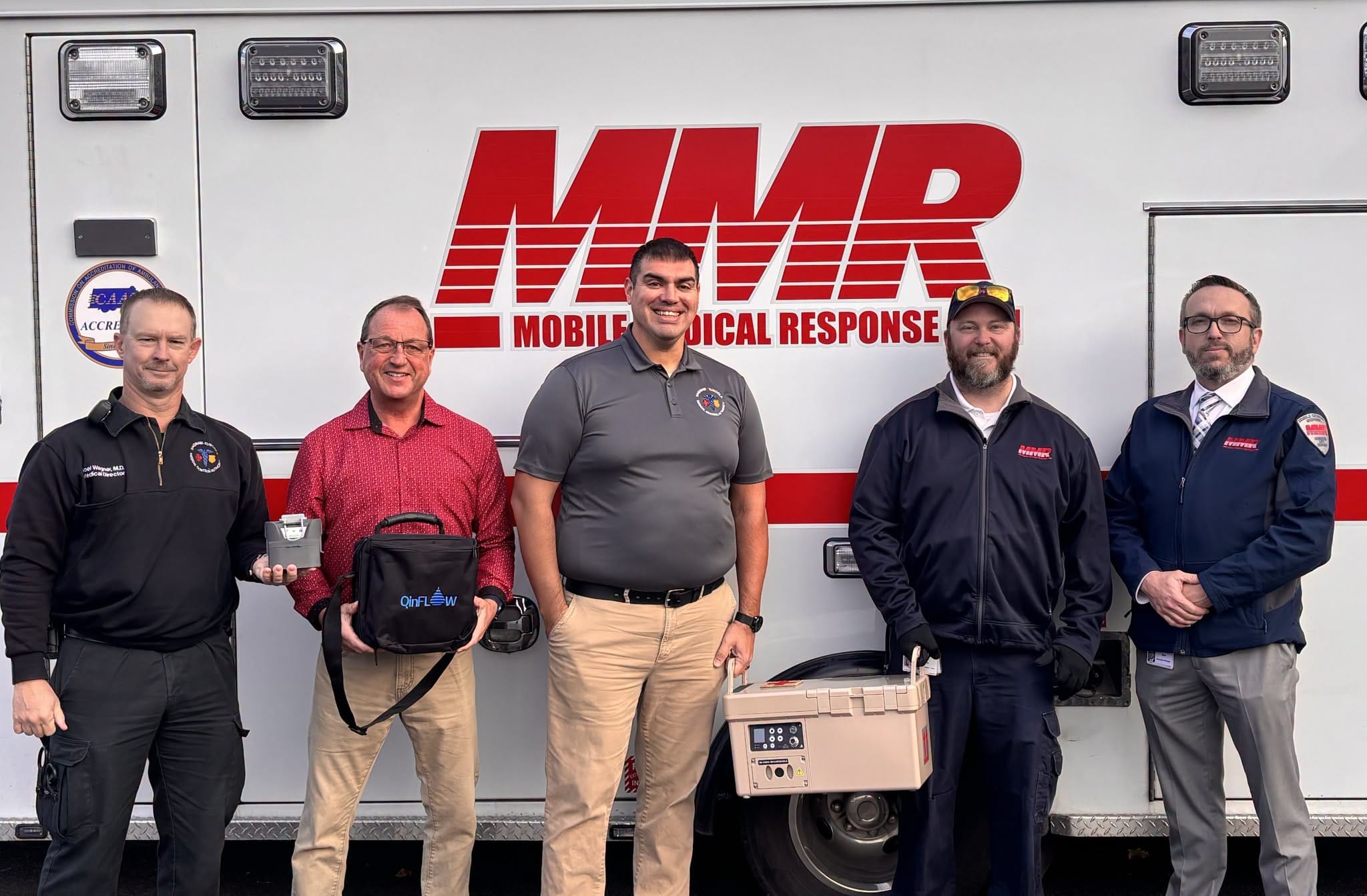
Behind these advancements is a combination of strong clinical leadership, regional collaboration, and the ability to safely store and transport blood in the field. Programs like this are supported by equipment such as the Delta ICE2L, helping ensure blood is properly stored, protected, and ready for use when seconds matter most.
As more systems adopt whole blood programs, this approach is quickly becoming a new standard in prehospital care. What began as a battlefield innovation is now helping communities strengthen emergency response and improve survival every day.
Read the full article here:
https://www.pressreader.com/usa/new-haven-register/20260525/281573772349903