A remarkable patient survival story out of Colorado Springs is highlighting the life-saving impact of coordinated trauma care and the growing role of prehospital blood transfusion programs. According to a recent KOAA report, local business owner Cowboy Lopez was critically injured when a skid loader's hydraulics failed, causing the machine's bucket to collapse onto his chest and torso. The devastating accident left him with multiple broken bones, a collapsed lung, severe internal bleeding, and traumatic pelvic injuries. Lopez later described the event simply: “I was dead a few times for sure.”
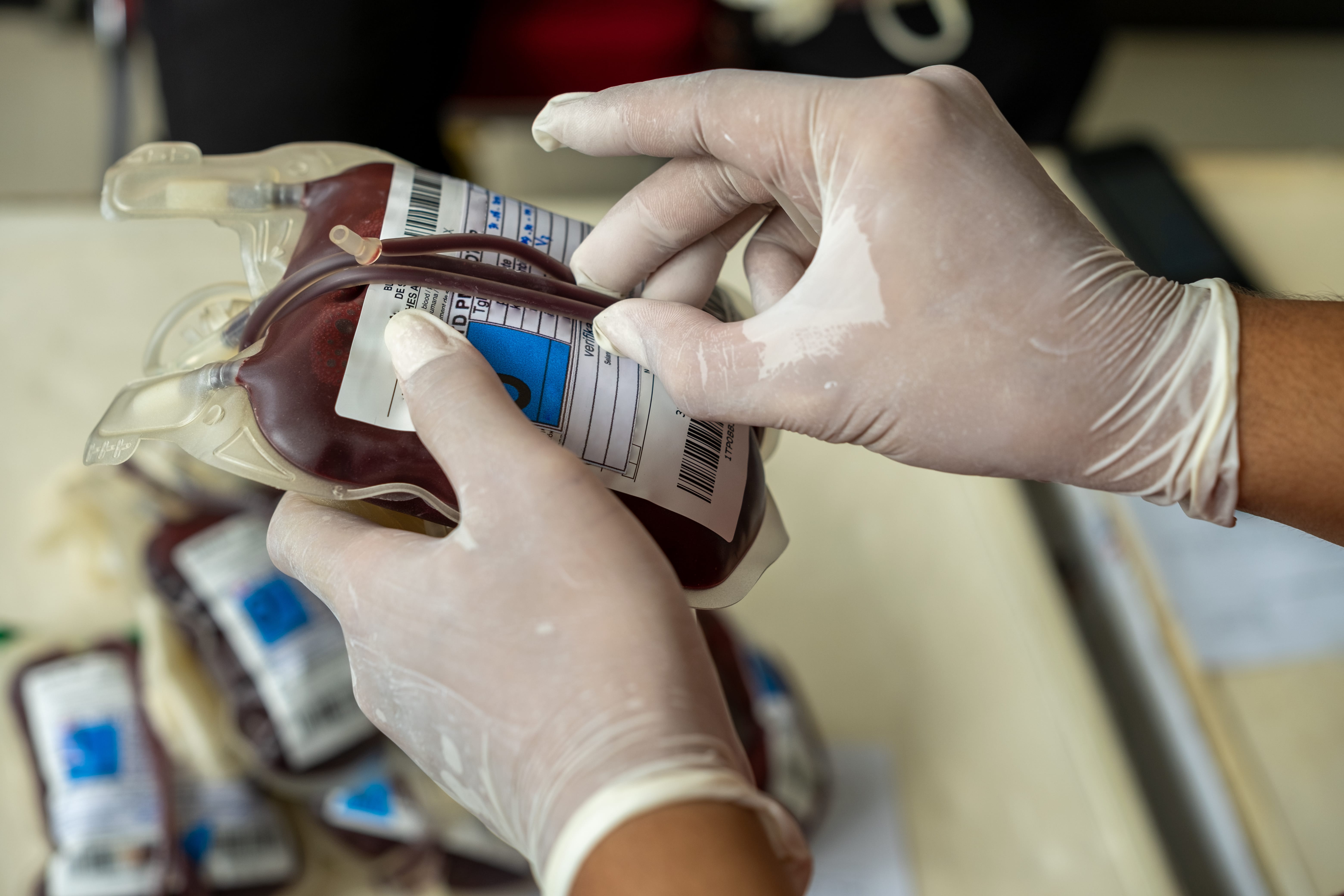
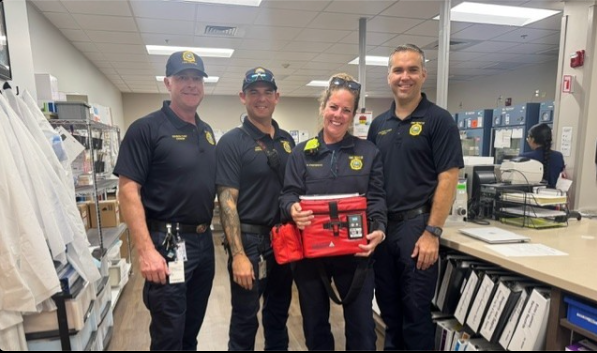
What followed was an extraordinary example of a trauma system working exactly as designed. Colorado Springs firefighters arrived within minutes, aided by the fortunate circumstance that the incident occurred less than a mile from a fire station. Equally important, a medical lieutenant equipped with whole blood was already nearby. First responders immediately initiated treatment, including the administration of whole blood, a critical intervention that trauma surgeon Dr. Brian Leininger credited with helping Lopez reach the hospital alive. As Dr. Leininger explained, before surgeons could save Lopez, “he had to not be dead when he got here.”
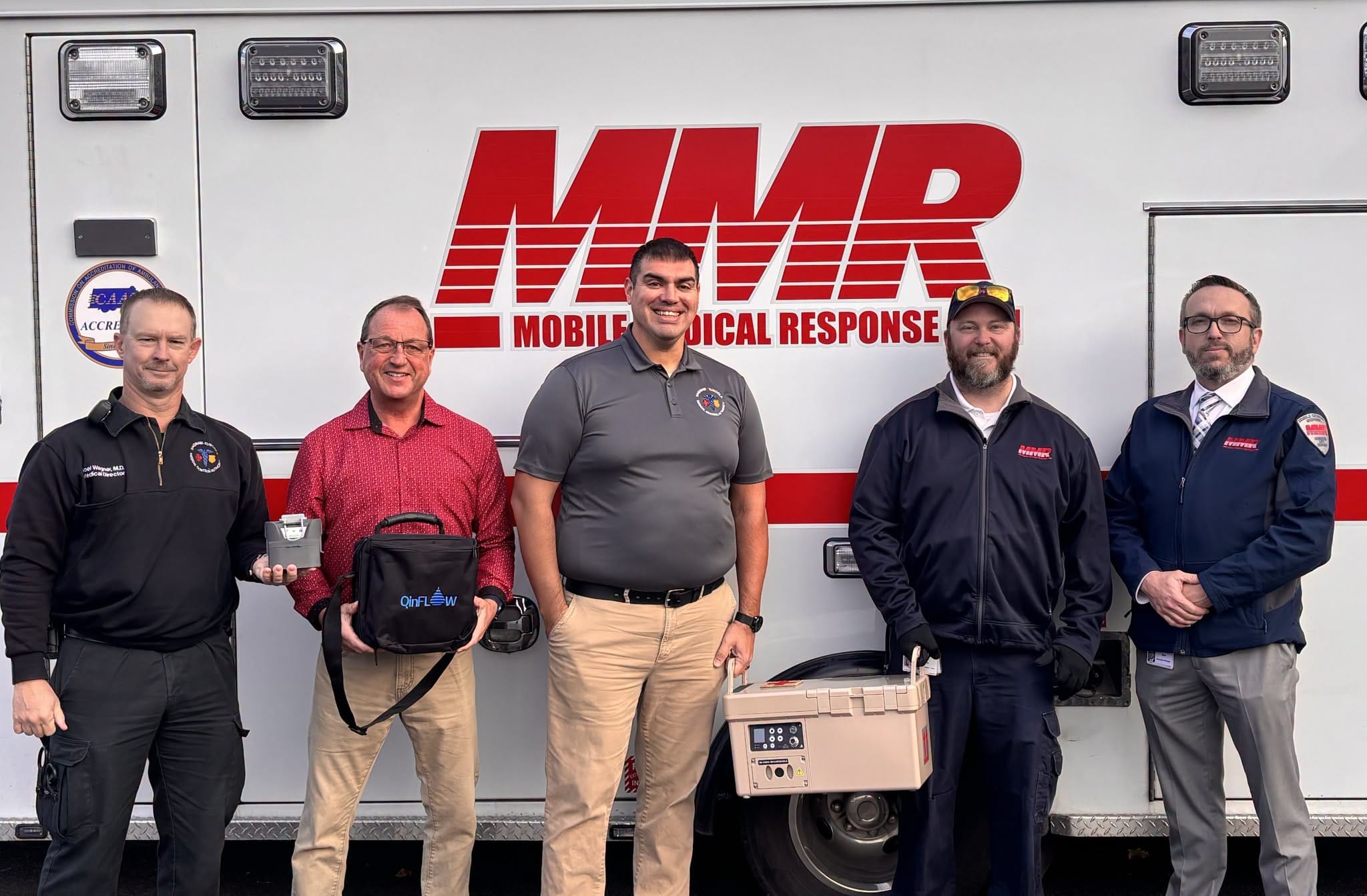
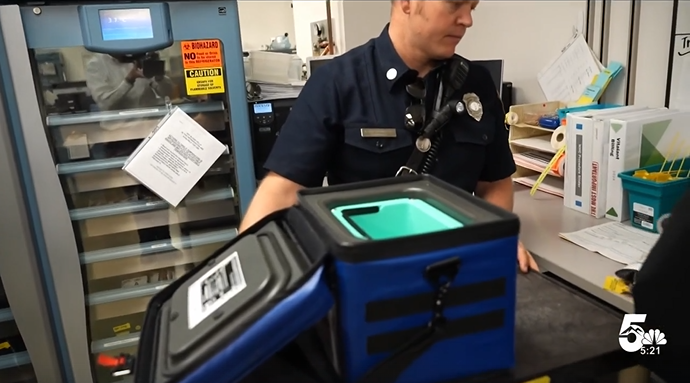
The Colorado Springs Fire Department's whole blood program, which was introduced just over two years ago, has already been used in more than 200 trauma cases. The program utilizes advanced blood warming and infusion technology, including the Delta ICE2L blood and fluid warming system, which helps ensure blood products can be delivered safely and efficiently in demanding prehospital environments. By enabling first responders to administer warmed whole blood at the scene and during transport, programs like this are helping bridge the critical gap between injury and definitive hospital care, improving outcomes for patients experiencing severe blood loss.
Lopez's recovery journey was lengthy and challenging. After arriving at UCHealth Memorial Hospital in critical condition, he underwent multiple surgeries, spent months hospitalized, and endured more than a year of rehabilitation. Trauma surgeons, emergency physicians, nurses, therapists, and firefighters all played a role in his survival. Reflecting on his experience, Lopez expressed gratitude not only for being alive and able to be with his young daughter, but also for the dozens of healthcare professionals whose expertise and compassion guided him through recovery.
Stories like Lopez's demonstrate why investments in modern trauma response systems and prehospital blood programs matter. From rapid emergency response and field transfusions to advanced surgical intervention and rehabilitation, every link in the chain of care contributed to an outcome that once may have been impossible. As more EMS agencies adopt whole blood programs supported by technologies such as the Delta ICE2L, survivors like Cowboy Lopez provide powerful real-world evidence of the difference these capabilities can make when every second counts.
Read the full article here: https://www.koaa.com/news/local-news/dead-multiple-times-saved-by-colorado-springs-trauma-team