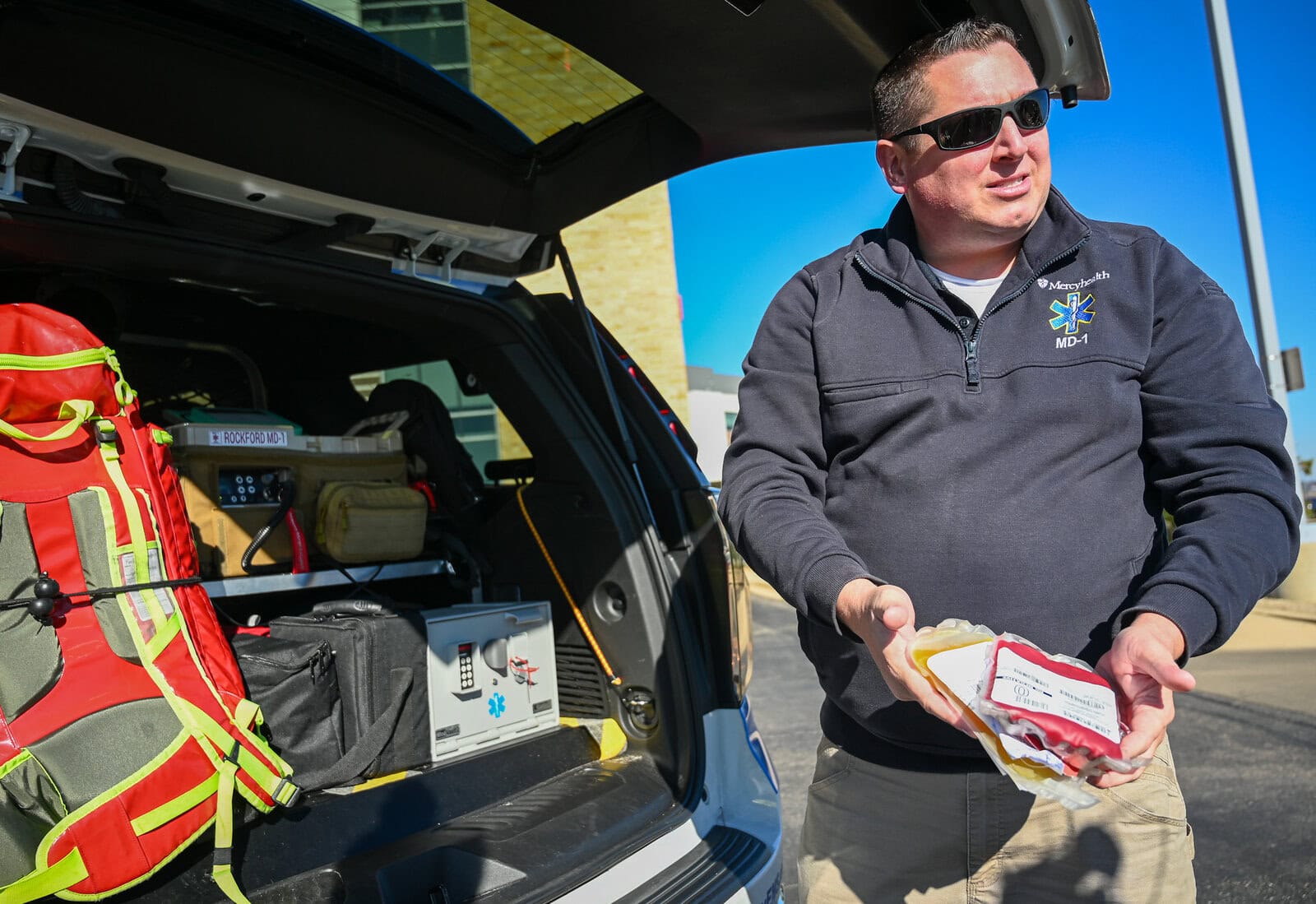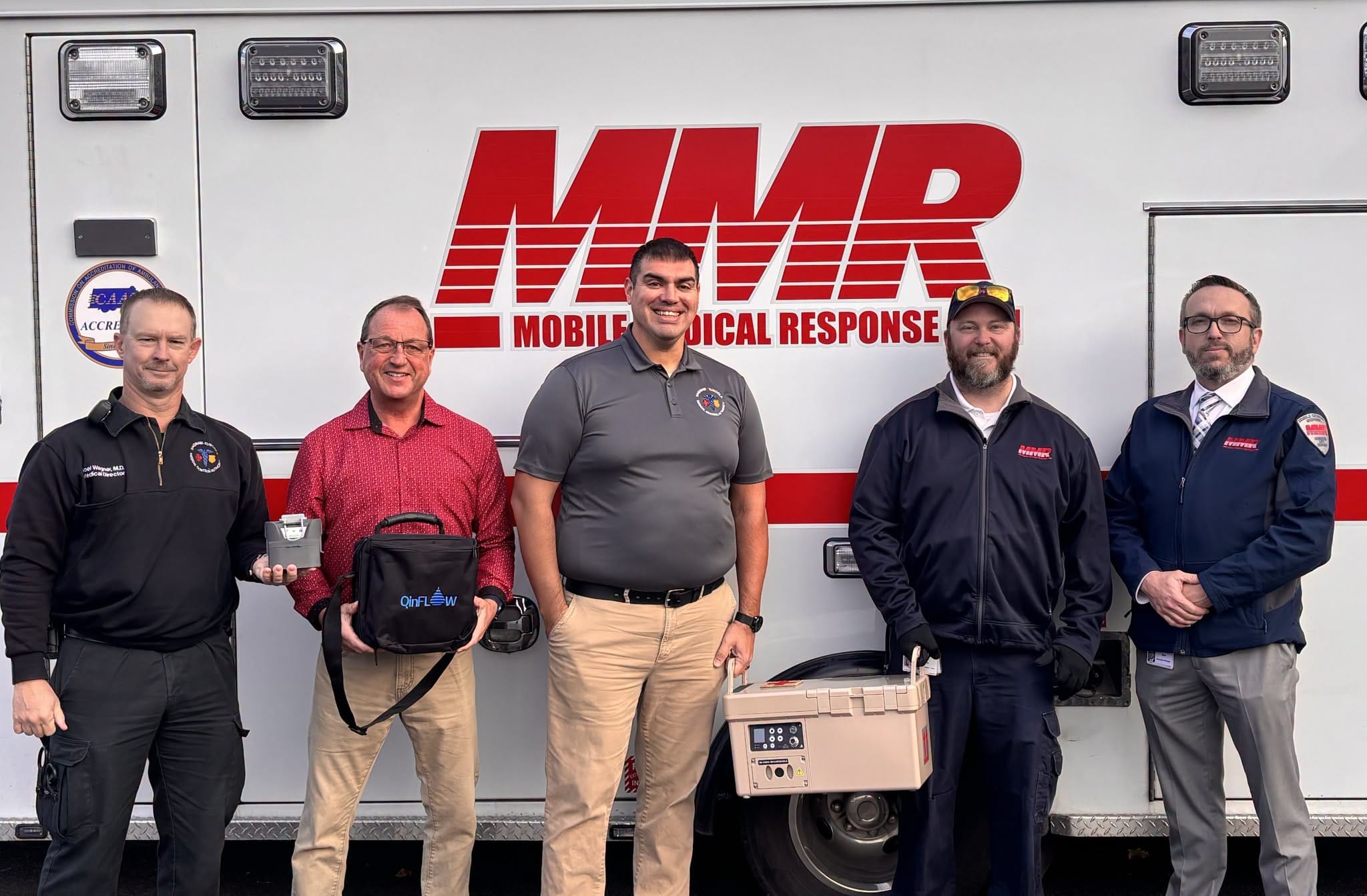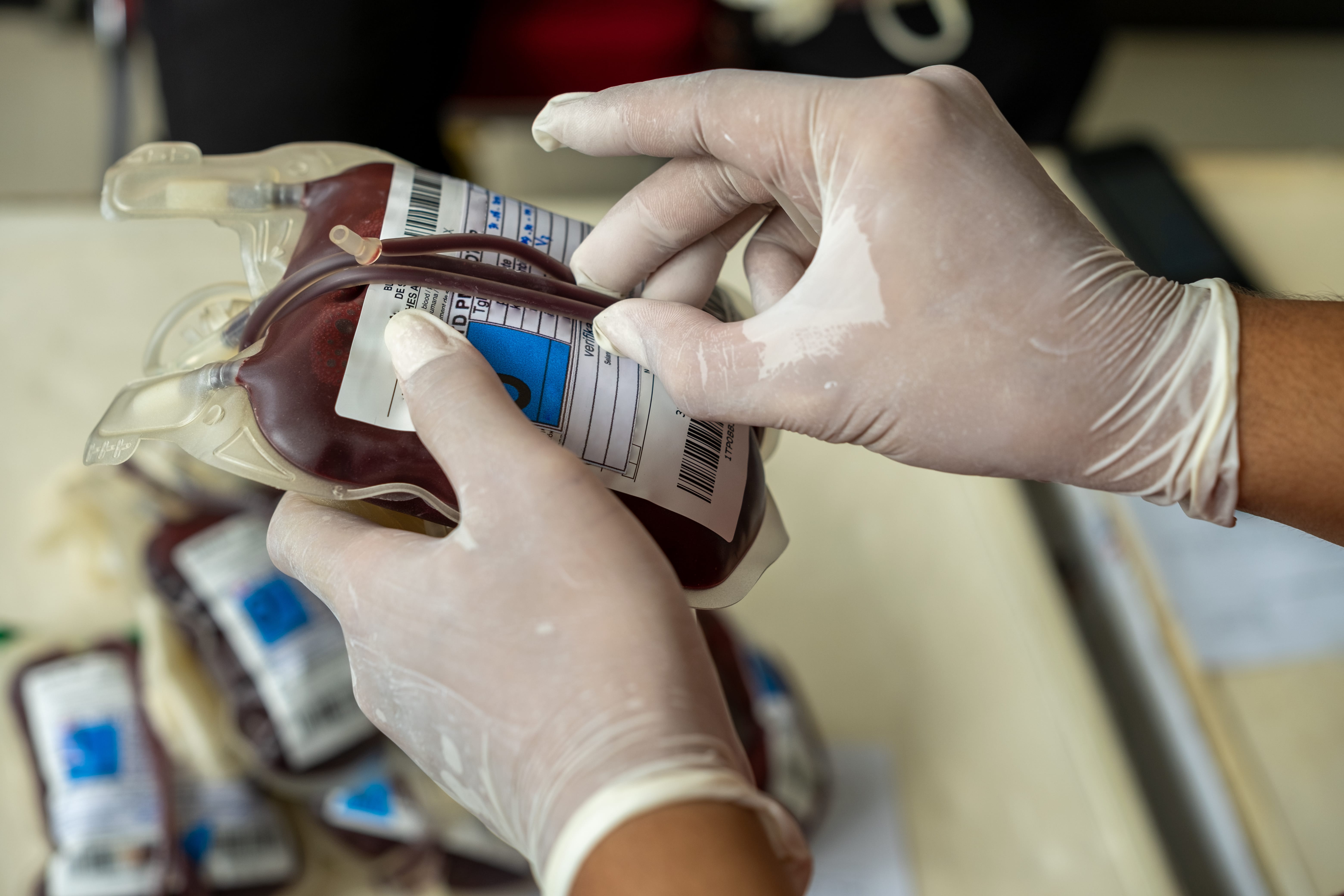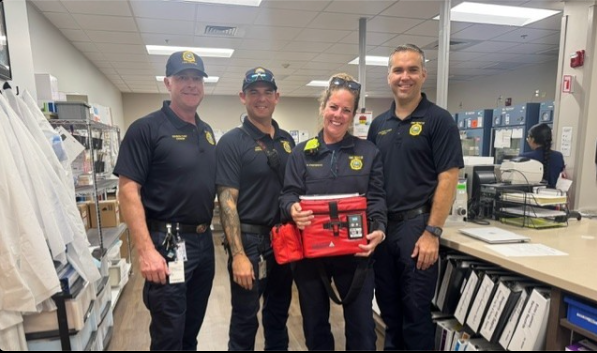
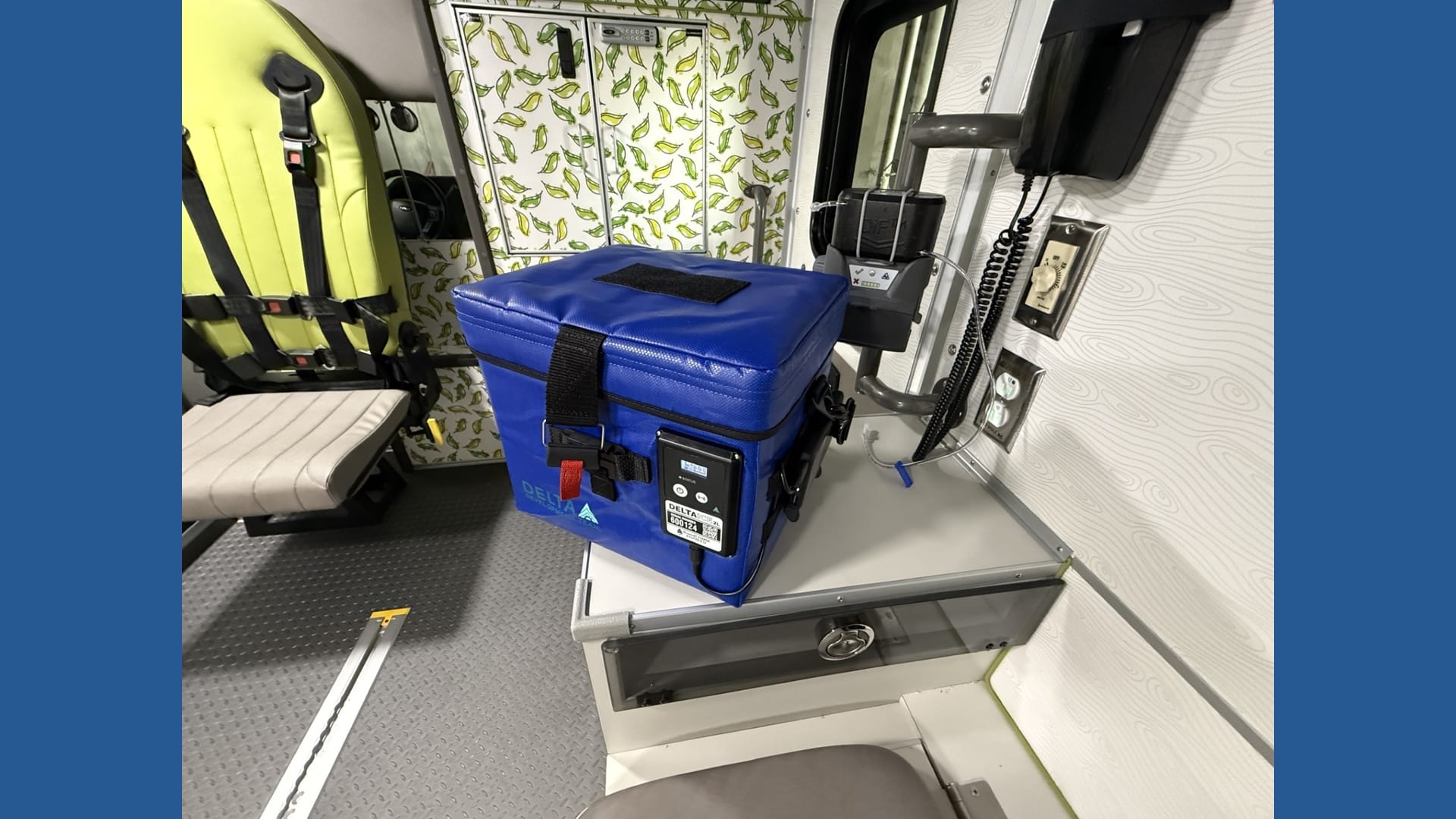
Life EMS Ambulance recently highlighted the impact of prehospital blood administration following a plane crash in Kalamazoo County, Michigan, where two seriously injured patients required emergency care. The incident became one of the first real-world uses of the organization's newly launched whole blood program, demonstrating how access to blood products in the field can support critical patients before they reach a trauma center.
After first responders identified significant blood loss in one of the victims, Life EMS deployed both ambulance crews and a field supervisor carrying whole blood. Paramedics were able to begin transfusion treatment at the scene, providing oxygen-carrying blood products during a crucial window of time when rapid intervention can have a major impact on patient outcomes.
The program, which launched earlier this month, is the sixth prehospital blood program in Michigan and the first on the west side of the state. Life EMS officials noted that in both trauma and medical emergencies involving severe blood loss, administering whole blood before hospital arrival can improve survivability by delivering critical treatment up to 20 minutes sooner than would otherwise be possible.
Supporting this capability is the ICE2L, which helps maintain the strict temperature requirements necessary for the safe transport and storage of blood products in the prehospital environment. Reliable temperature management is essential to ensuring blood remains safe, effective, and ready for immediate use when every minute counts.
As early results continue to demonstrate the value of field transfusions, Life EMS is helping showcase the growing role of prehospital blood programs in emergency medicine. By combining advanced clinical care, dedicated EMS professionals, and dependable blood storage technology, the organization is bringing lifesaving treatment closer to patients when they need it most.