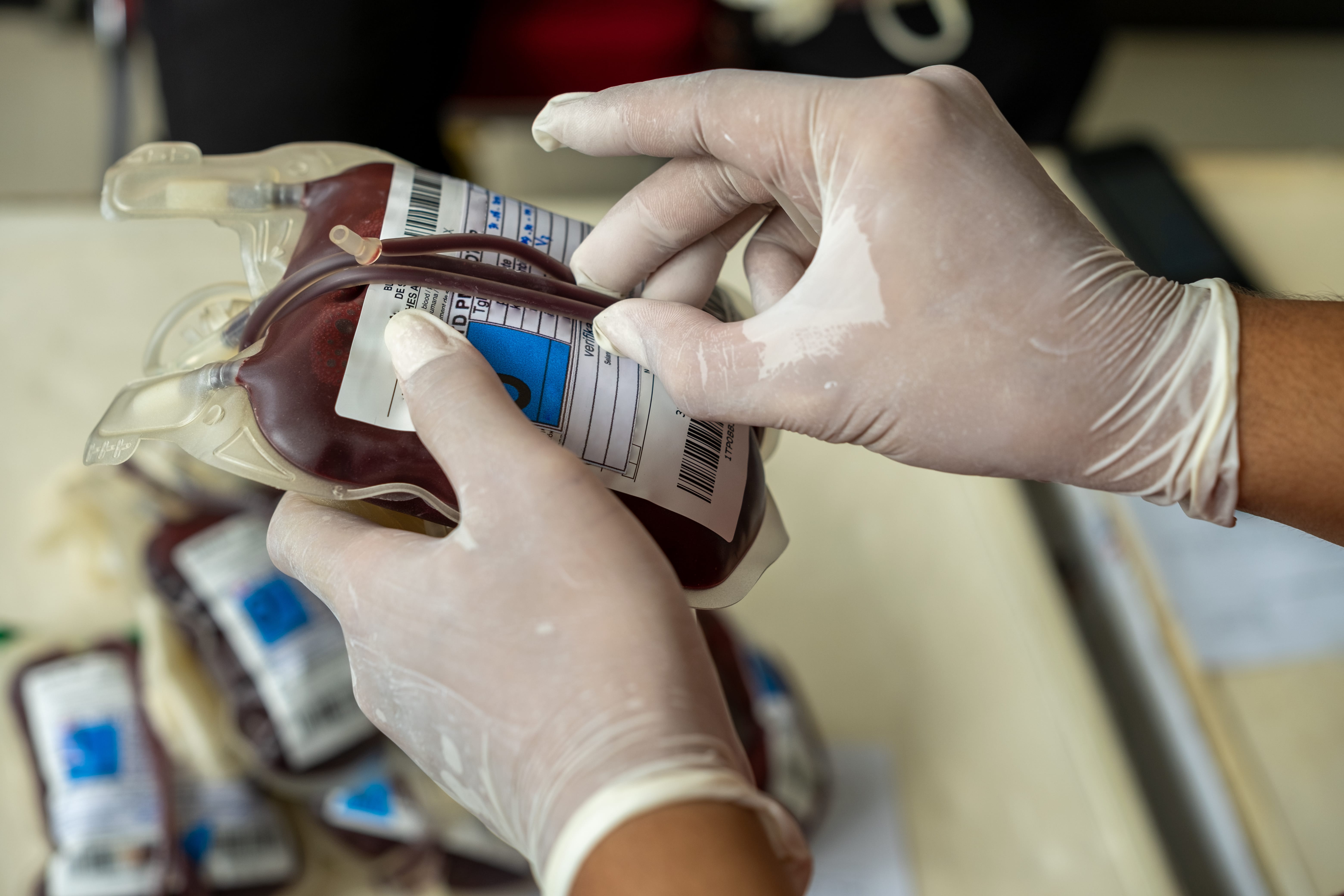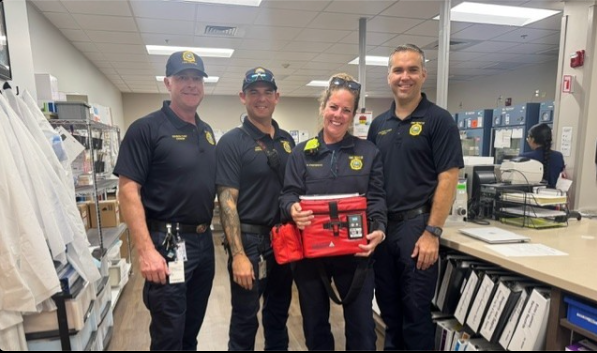
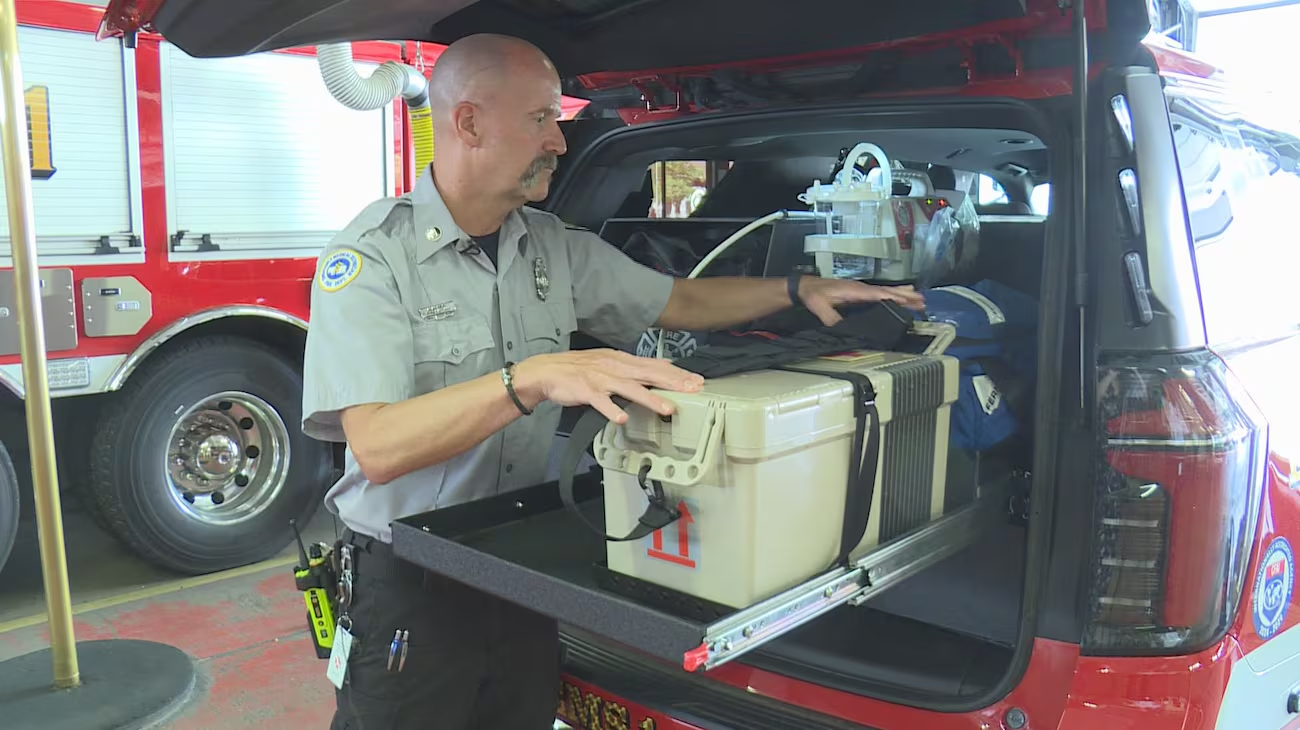
Lincoln Fire and Rescue (LFR) has started carrying packed red blood cells on EMS-1, giving crews a way to treat severe blood loss before patients reach the hospital. As 10/11 NOW reports, the program went live on Tuesday, September 29, with units supplied by the Nebraska Community Blood Bank. Until now, LFR could only give trauma patients saline, which helps maintain fluid volume but can't deliver oxygen to vital organs or help the body form clots.
EMS Battalion Chief Jamie Pospisil described how frustrating past trauma calls had been, knowing crews didn't have the one product that could save a patient's life. He pointed to research suggesting prehospital blood could save up to 37% more trauma patients. Fire Chief Dave Engler said the program had been on the department's radar for a long time, and that launching it took the medical community, the blood bank, and trained personnel all coming together.
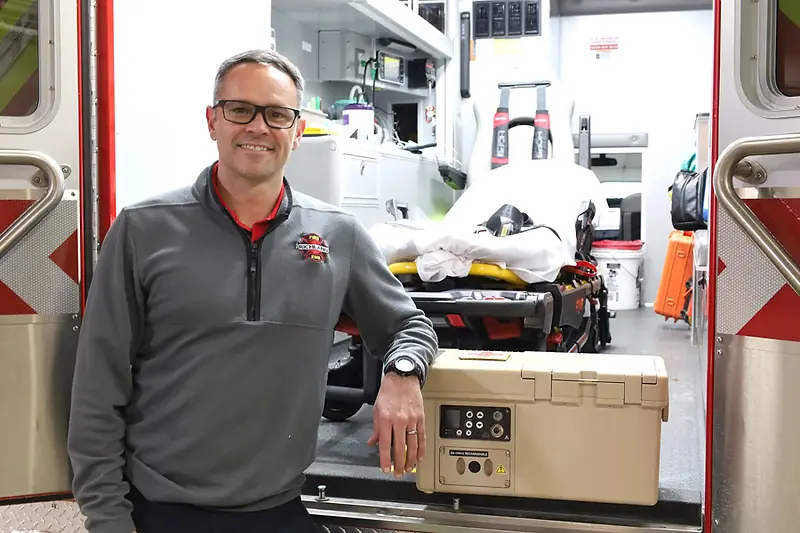
Keeping blood viable on an ambulance takes careful logistics. Red blood cells must stay between 2°C and 6°C, so LFR invested in dedicated storage, around-the-clock temperature monitoring, and alerts that notify crews whenever conditions drift out of range. We're proud to support both sides of that setup: the APRU 6L Portable Blood Refrigerator keeps Lincoln's blood supply at temperature on EMS-1, while BloodCOMM® Pro tracks conditions around the clock and alerts the team if anything drifts out of range.
Lincoln joins a growing prehospital blood effort across Nebraska. The Omaha Fire Department launched a whole blood program in June 2025 and has since transfused 44 patients ranging from 6 to 68 years old without wasting a single unit. Dr. Eric Kuncir, a State Trauma Board advisor and Trauma Medical Director at Creighton University Medical Center-Bergan Mercy, drew on his military service in Iraq and Afghanistan, where early blood helped drive the lowest fatality rate in the history of warfare, and argued that the same investment at home will save lives.
Congratulations to Lincoln Fire and Rescue and the Nebraska Community Blood Bank on the launch. Programs like this depend on donors, so if you're in the Lincoln area, consider signing up to donate. If your agency is exploring a prehospital blood program, get in touch with our team to learn how DDT's blood storage solutions can support it.