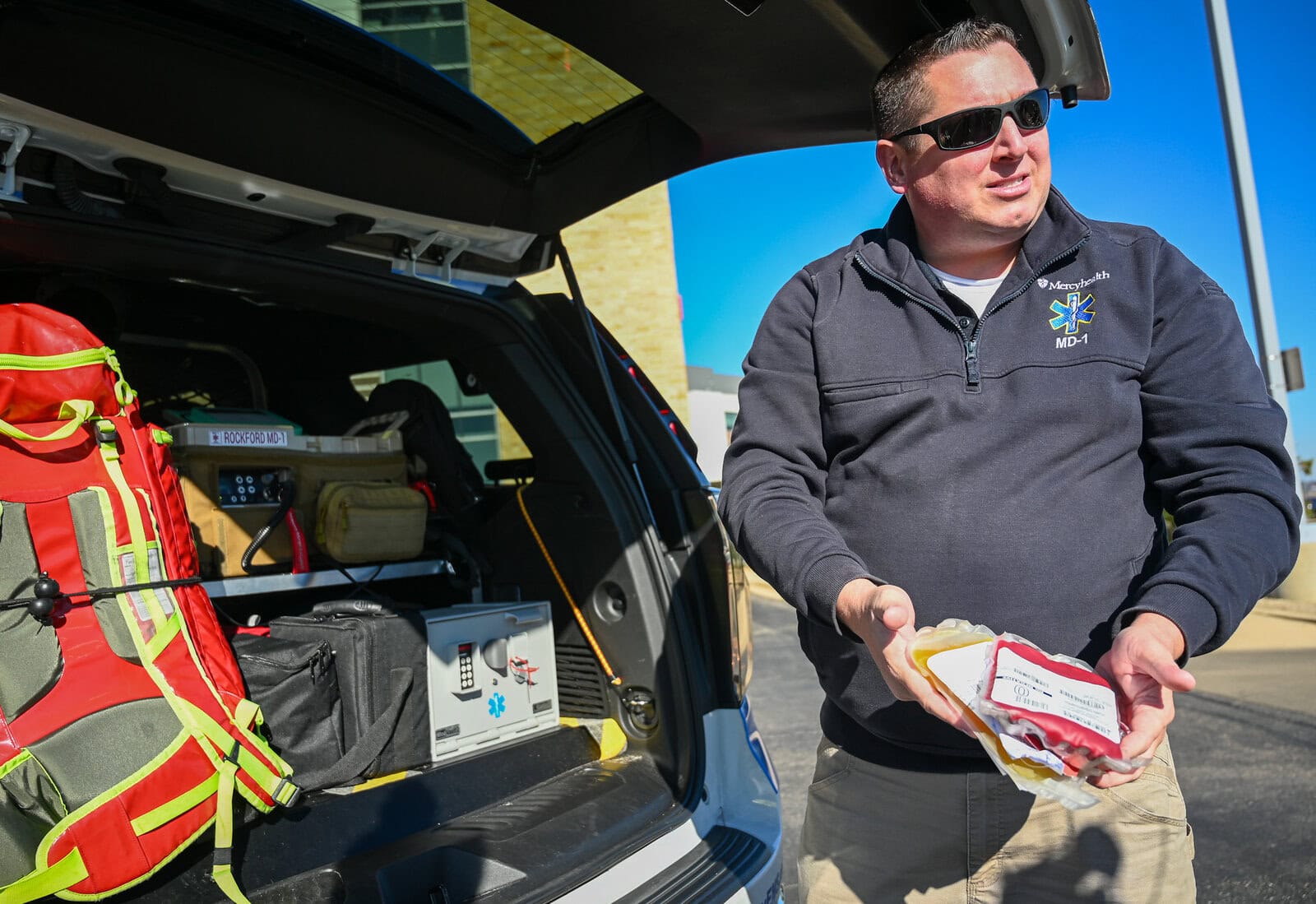
A pedestrian who was dragged by a vehicle in Pasadena early Saturday became the first patient to receive a blood transfusion under the city's brand-new field program. Pasadena Fire units responded to a reported collision at Glen Oaks Boulevard and Mooresque Drive at 12:37 a.m., and after assessing the patient's injuries, crews requested and received authorization to perform a field transfusion. Whole blood was administered at 12:53 a.m., just 16 minutes after the initial dispatch, according to Pasadena Chief Communications Officer Lisa Derderian. The patient underwent emergency surgery and was listed in critical condition Saturday morning.
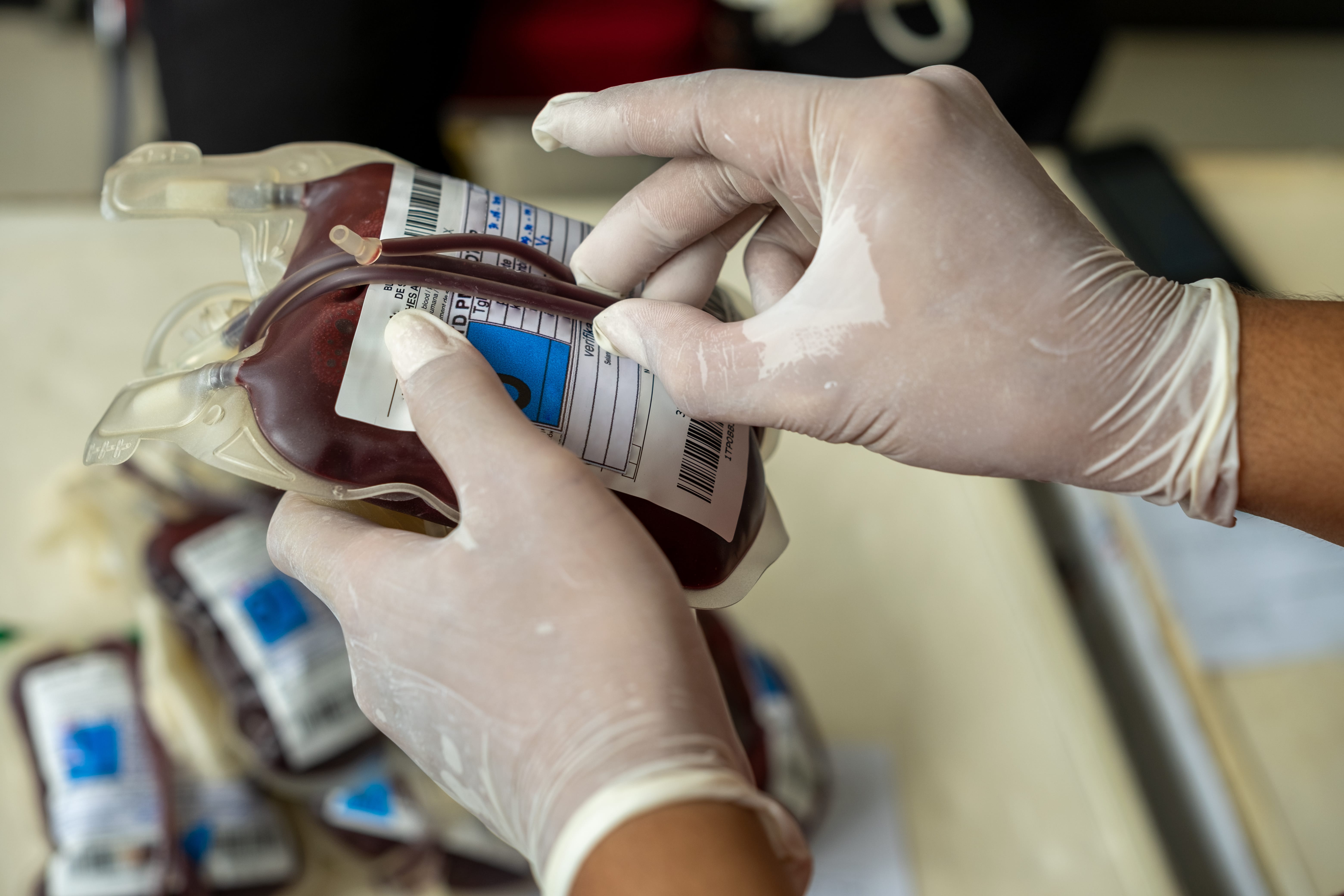
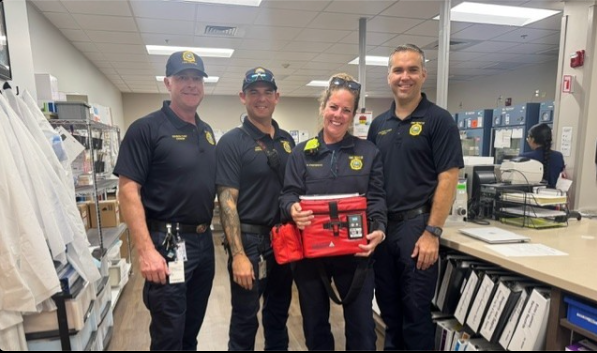
The program behind that response is only a month old. Pasadena's City Council authorized the blood contract on August 17, and the department announced on August 20 that firefighter-paramedics would begin carrying whole blood in two battalion chief vehicles, allowing transfusions to start in the field instead of waiting for hospital arrival. The move brought Pasadena into LA-DROP, the prehospital transfusion program Los Angeles County Fire Department launched in April 2025 alongside Huntington Health and regional blood provider Houchin Community Blood Bank.
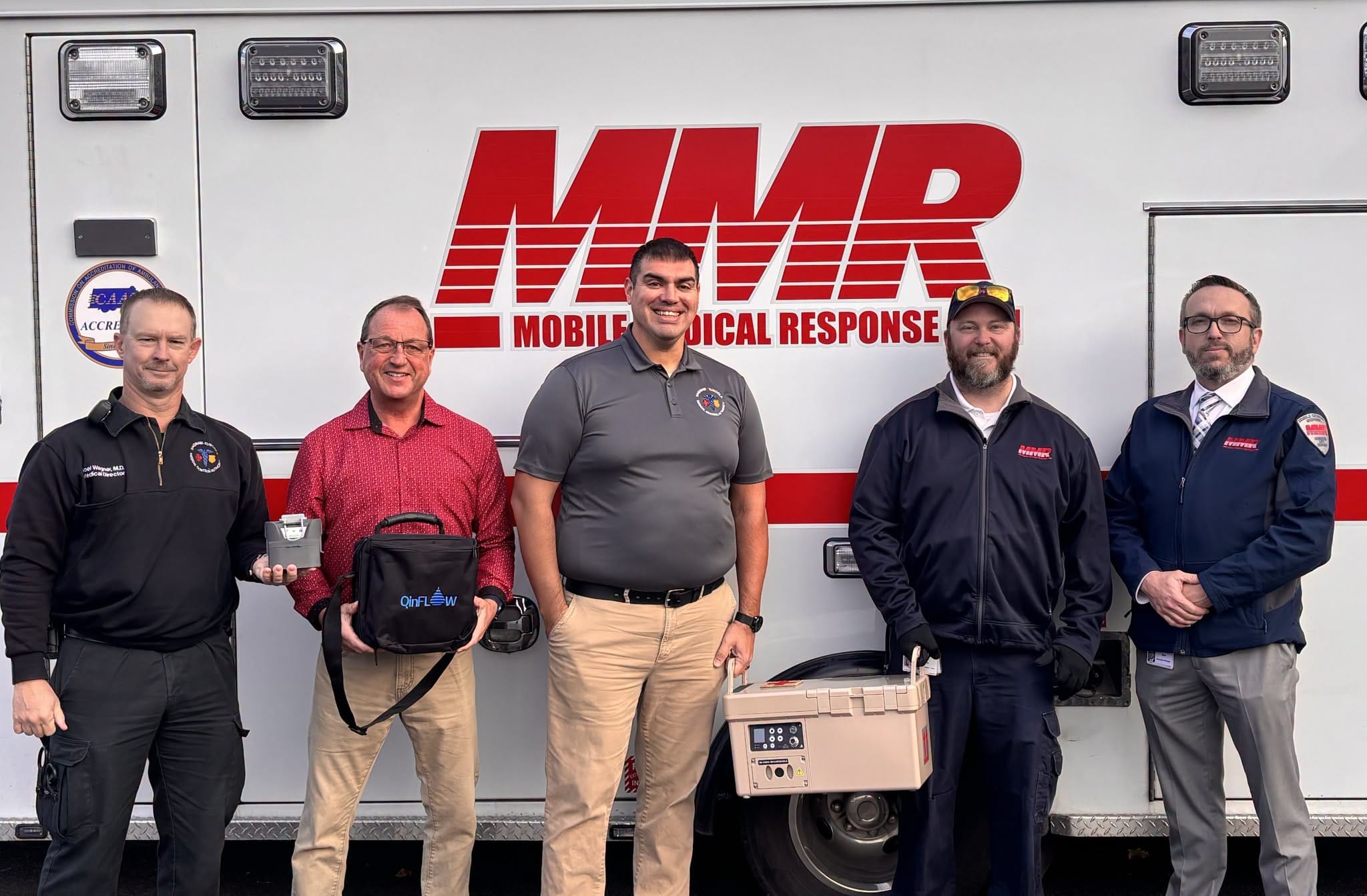
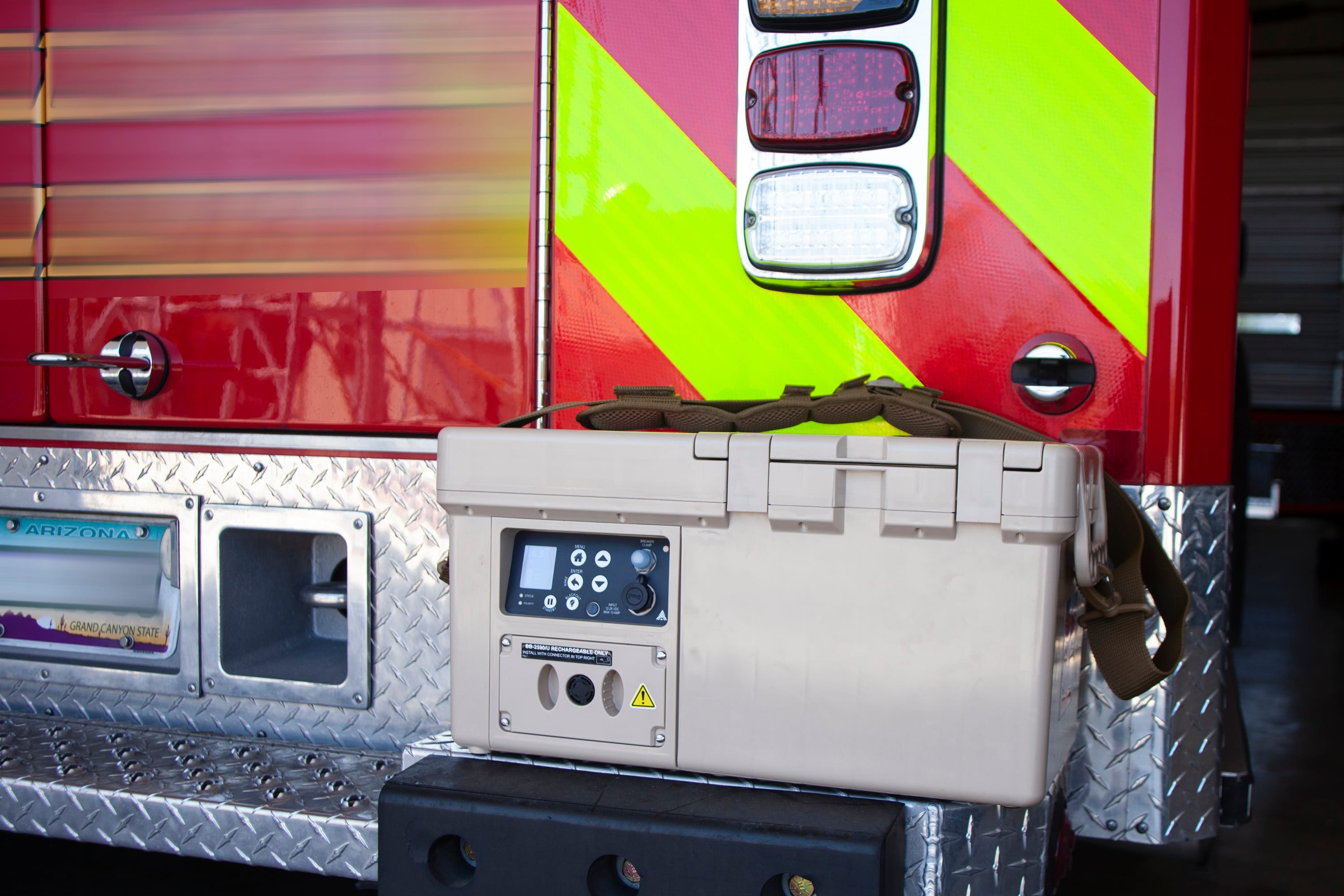
Getting blood to a patient that fast depends on keeping it stable and accounted for the whole time it's in the field, and that's where DDT's equipment comes in. Pasadena's battalion chief vehicles carry two APRU 6Ls to hold their low-titer O-positive whole blood in temperature-monitored conditions, with both units registered on BloodCOMM® Pro so the department can track and manage blood stewardship from pickup through return. Any blood crews don't use gets transferred back to Huntington Health rather than going to waste.
Fire Chief Chad Augustin told the City Council the program exists to close the gap between injury and transfusion. On average, he said, it takes about 35 minutes from injury to hospital arrival and blood administration; Pasadena's program is designed to cut that down to roughly 16 minutes, a number the department's first case matched almost exactly. The city is paying $675 per unit under its contract, compared to a non-contract price of $820, plus a $65 handling charge per order, with the whole program estimated to cost about $100,000 a year out of the department's EMS budget.
Beyond trauma, the program is also built to support other cases of severe hemorrhage, including postpartum hemorrhage, and Huntington Health has said the department follows established consent protocols so patients can decline blood products for personal, religious, or medical reasons. Pasadena's first save is an early sign of what the program is capable of, and DDT is proud to support it with equipment built to keep blood ready exactly when crews need it.
Original source: https://pasadenanow.com/main/pedestrian-dragged-by-vehicle-becomes-pasadenas-first-field-blood-transfusion-patient-under-month-old-program