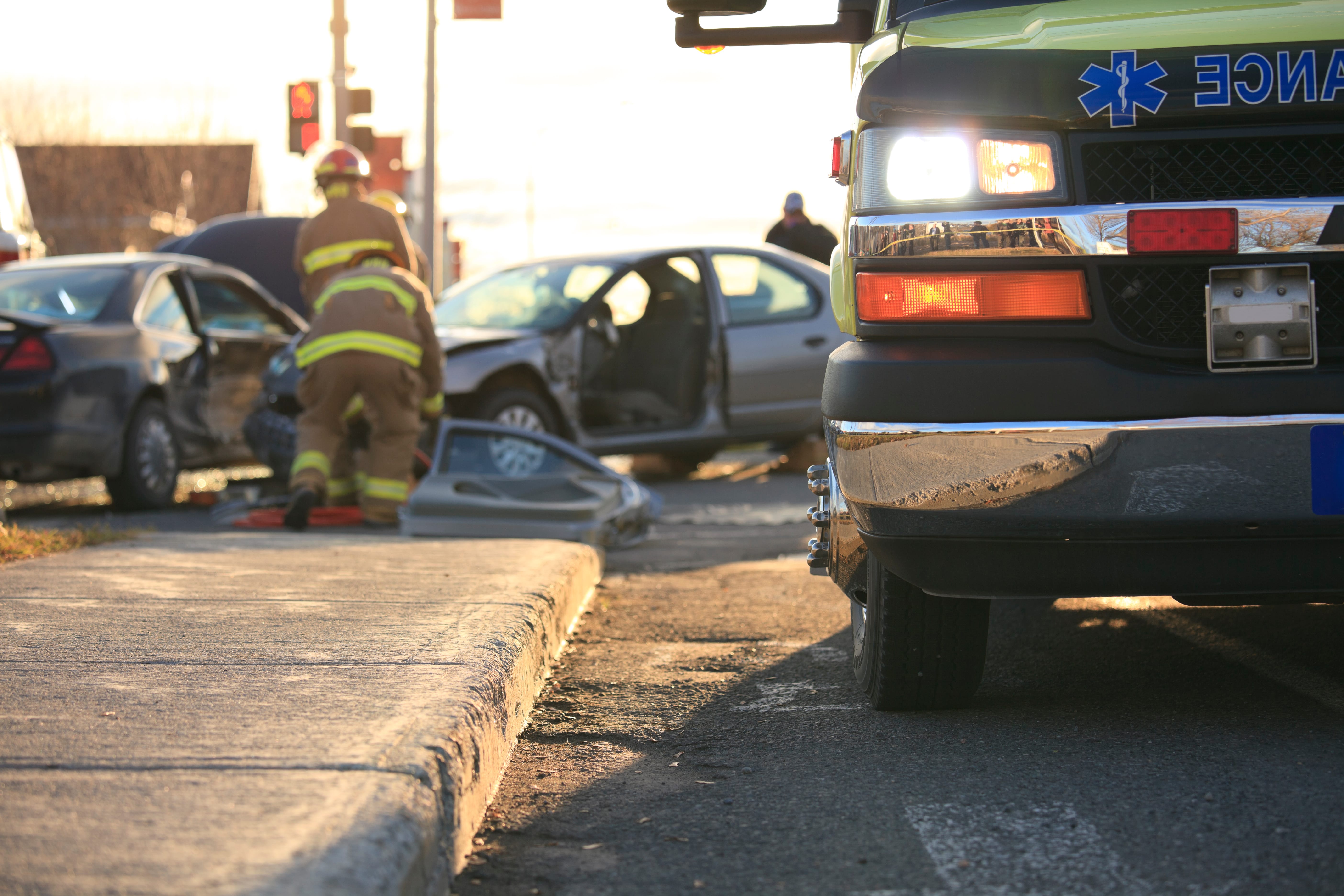

When John Mazanec’s motorcycle was struck by a turning truck in Pueblo, Colorado, in September 2025, paramedics found him bleeding heavily. A second crew brought blood from the ambulance company’s base, and his transfusion began on the way to the hospital, just eight days after the local program launched. By summer 2026 he was back out fishing with his family, according to UCHealth. His story opens a new piece from ImageTrend, distributed by Stacker, looking at how often crash patients actually receive blood before they reach a hospital.
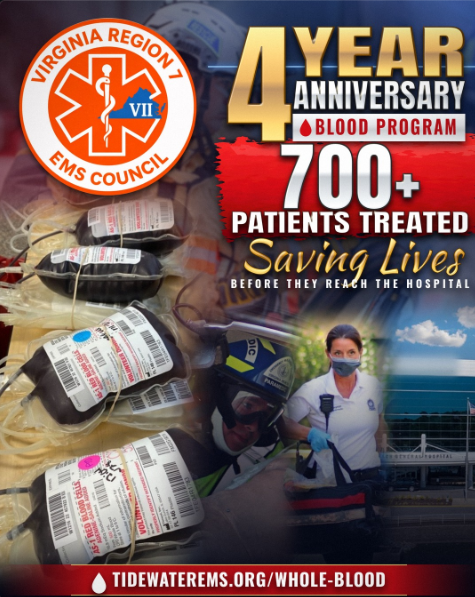
Drawing on its 2026 EMS Insights Report, ImageTrend documented 1,695 crash patients who received prehospital blood in 2025. Nearly two in five of all recorded blood recipients were hurt in traffic or motorcycle crashes. Air units performed the large majority of documented transfusions, with ground units accounting for about one in ten. Rural areas stand out: blood was recorded in 0.67% of rural motor vehicle crash responses, compared with 0.08% in metro areas. Even so, America’s Blood Centers estimates that only 1% to 2% of EMS agencies nationwide carry blood.
The article points out that agency counts don’t tell the whole story. Regional models, where dispatch can send a blood-carrying unit to support another crew, can extend access well beyond the agencies that stock it, as happened in Mazanec’s case. New delivery ideas are emerging too, including a drone blood delivery program demonstrated by Hillsborough County Fire Rescue in October.
Cost remains one of the biggest hurdles. Blood products can run $500 to $925 or more per unit, and programs also need temperature-monitored storage, trained clinicians and agreements with blood suppliers to replenish units and return unused ones. A five-year TRICARE pilot beginning January 1, 2027 will let ambulance providers bill separately for blood products and transfusion services for eligible beneficiaries, testing whether separate payment improves access and outcomes.
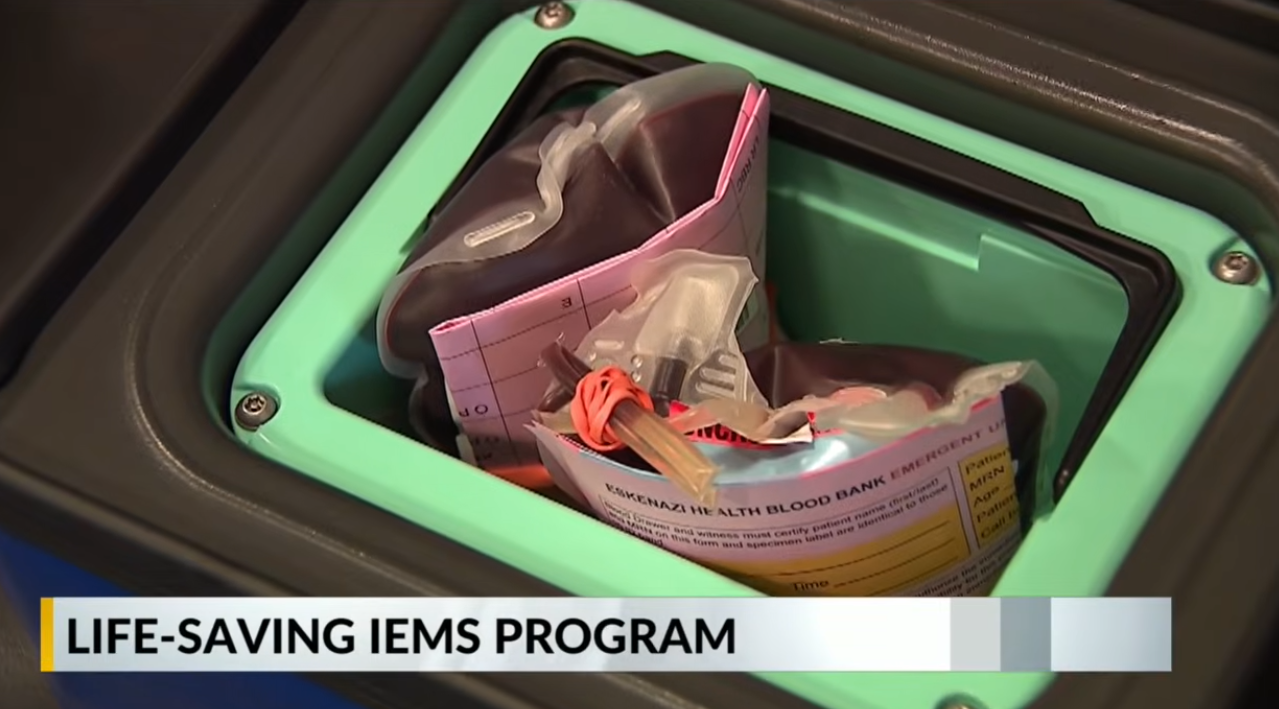
In Pueblo, UCHealth Parkview Medical Center’s prehospital blood program relies on the Delta ICE 2L Smart Blood Cooler and BloodCOMM® to keep whole blood at the right temperature and track every unit from the blood bank to the patient. At Delta Development Team, we work with EMS agencies and hospitals at every stage, from those exploring a blood program to those already running one, so that when the call comes, the blood is ready.