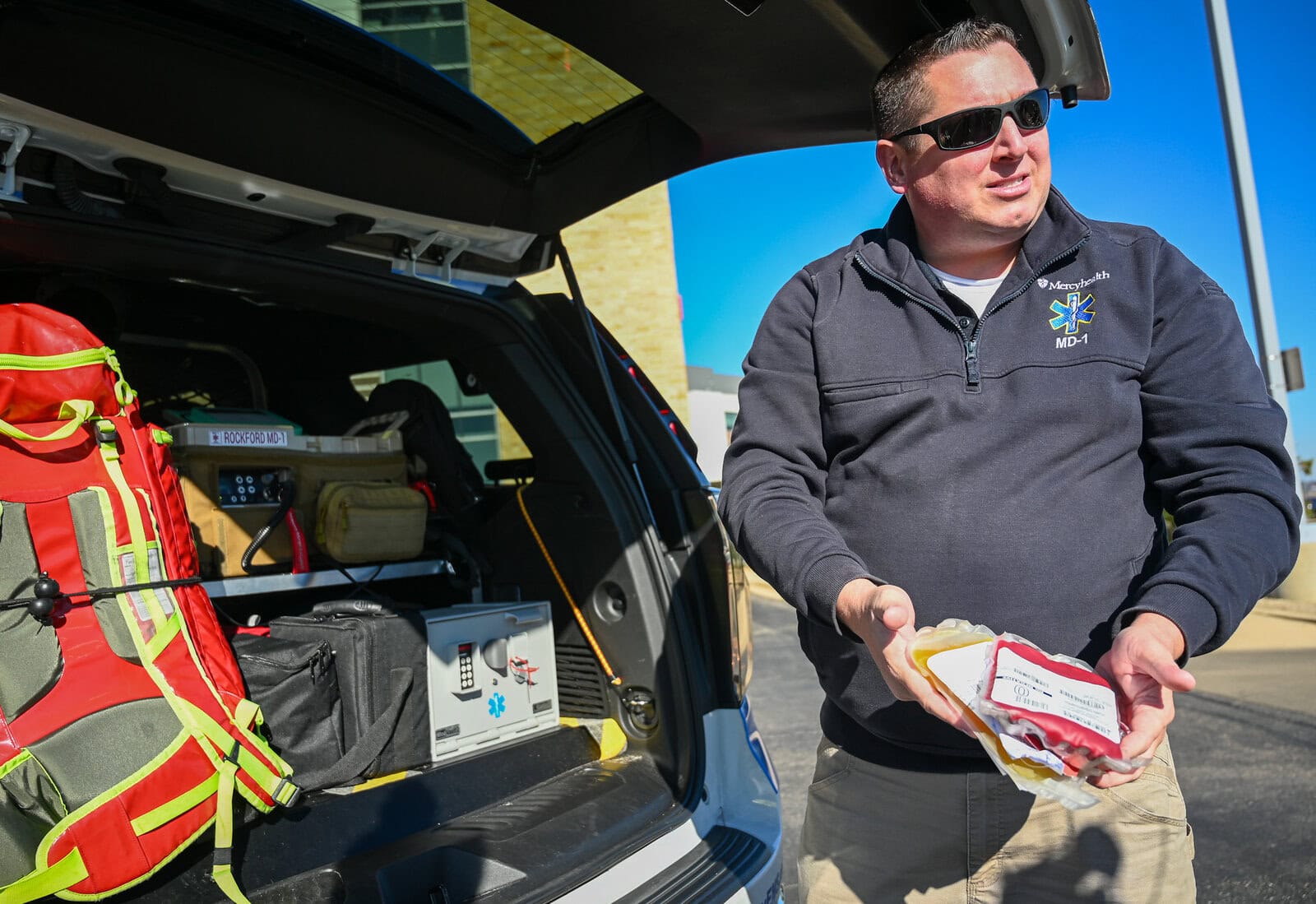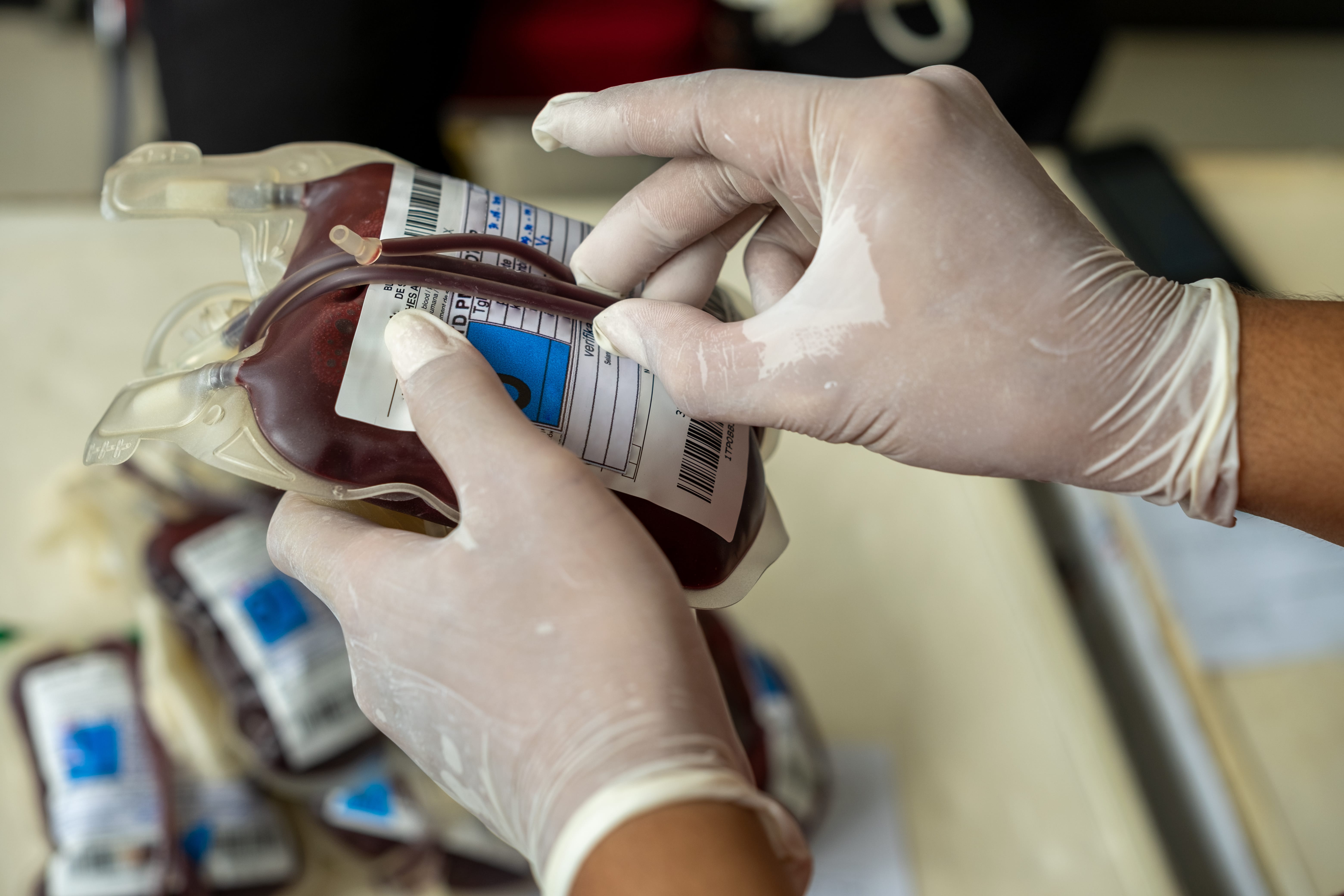
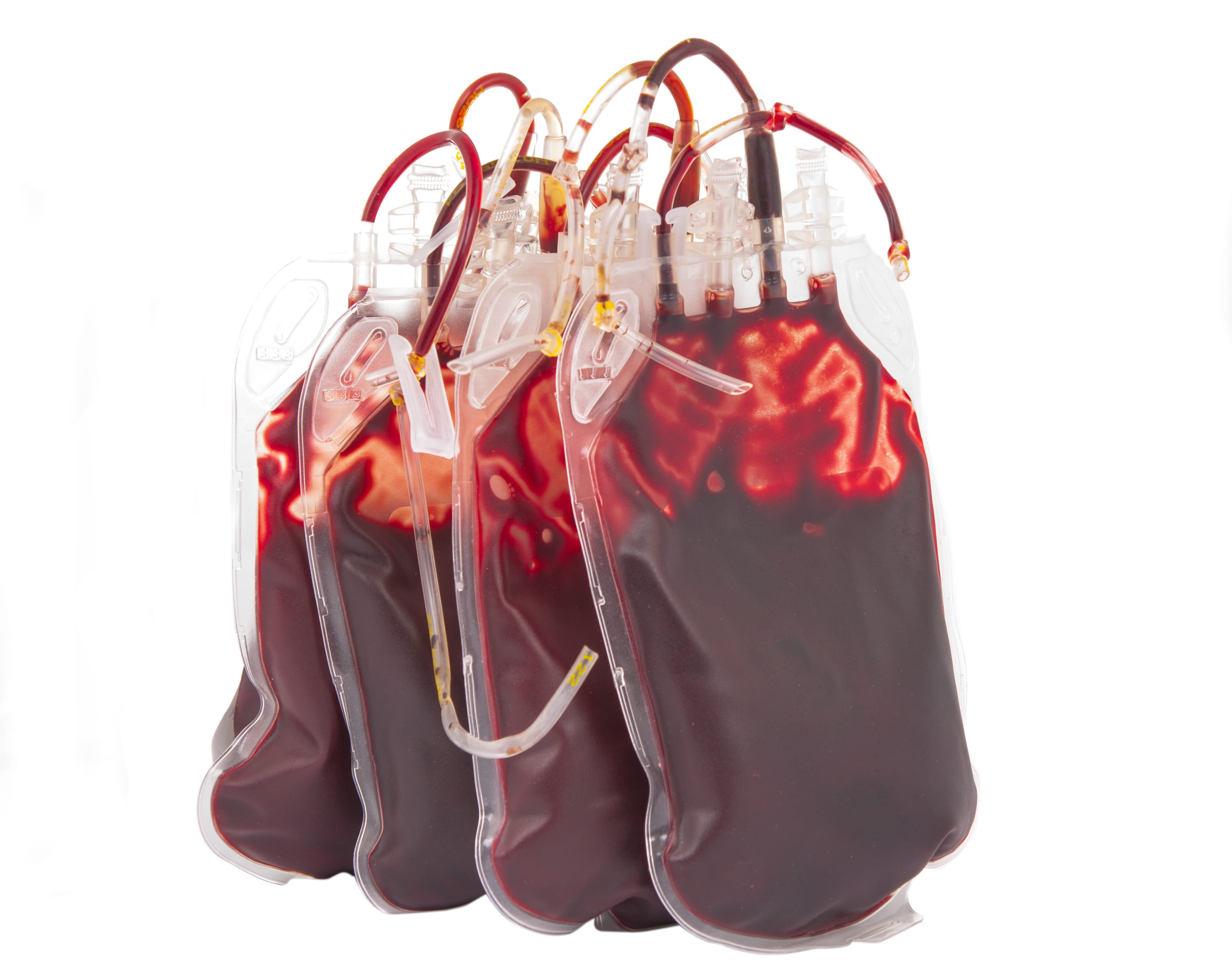
For decades, ground EMS crews treating patients in hemorrhagic shock have had one main option during transport: crystalloid fluids. A new study published in the Journal of the American College of Surgeons adds to the growing evidence that carrying blood on ground ambulances may change that picture. The research, highlighted in the American College of Surgeons' ACS Brief on September 22, compared outcomes for trauma patients who received crystalloid alone, packed red blood cells (pRBC), or whole blood (WB) before reaching the hospital.
Severance and colleagues drew on a prospective, multicenter ground EMS registry, focusing on 299 trauma patients with signs of hemorrhage and a shock index above 1.0. Patients resuscitated with crystalloid alone had the highest in-hospital mortality at 15.5%, compared with 5.4% for those who received pRBC and 4.3% for those who received whole blood. Shock index improved across all three groups between the field and emergency department arrival, with the largest improvement seen in the pRBC group.
The researchers also calculated the number needed to treat (NNT), a practical measure of how many patients must receive an intervention for one additional patient to benefit. Compared with crystalloid, the NNT was roughly 10 for pRBC, 9 for whole blood, and 10 for blood products combined. The authors note these figures compare favorably with other established trauma interventions, and they conclude that the results support further implementation research and systems-level evaluation of ground EMS blood programs. You can read the full study, Number Needed to Treat Analysis for Ground Prehospital Blood in Hemorrhagic Shock, in the August 2026 issue of J Am Coll Surg.
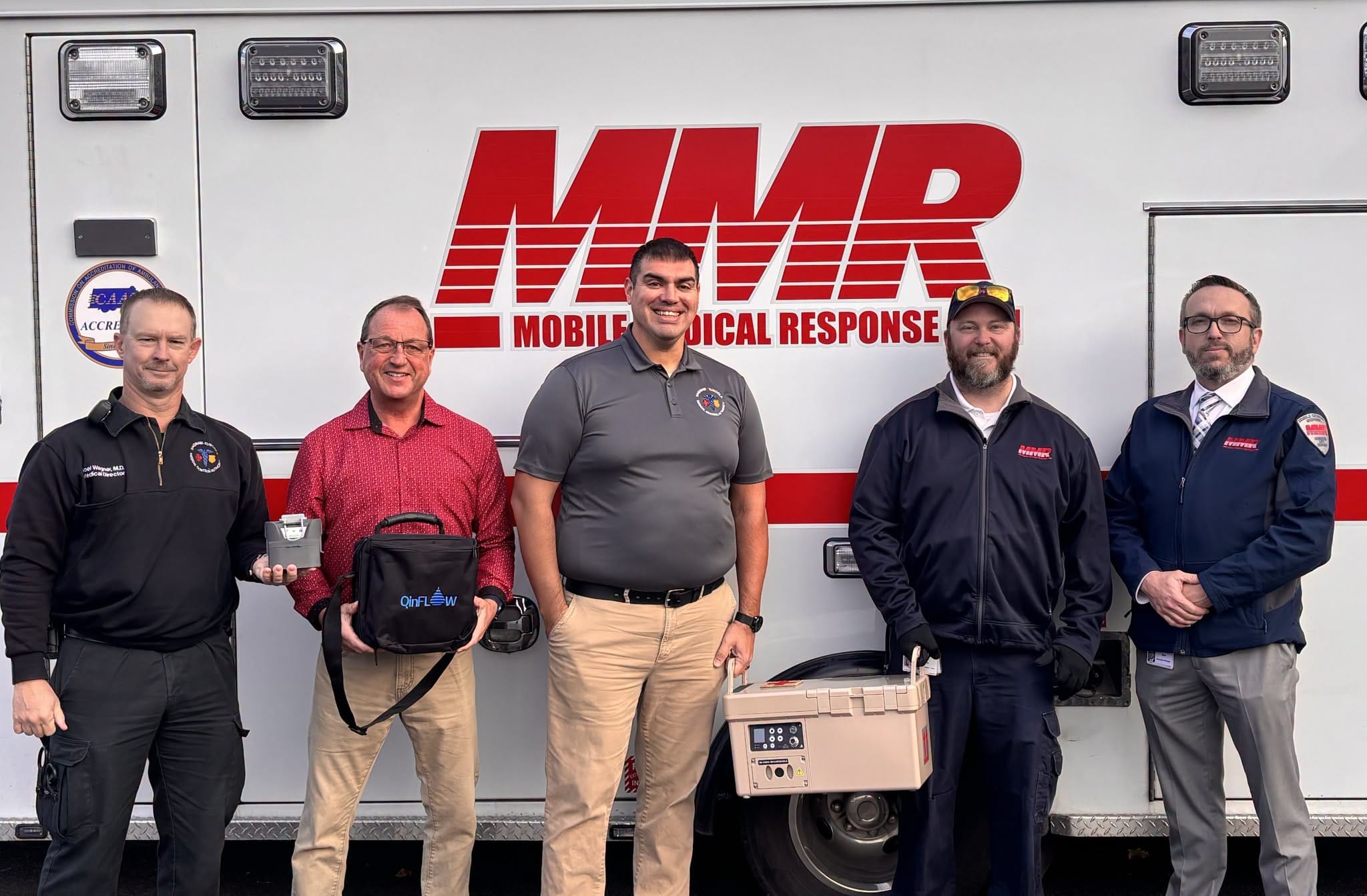
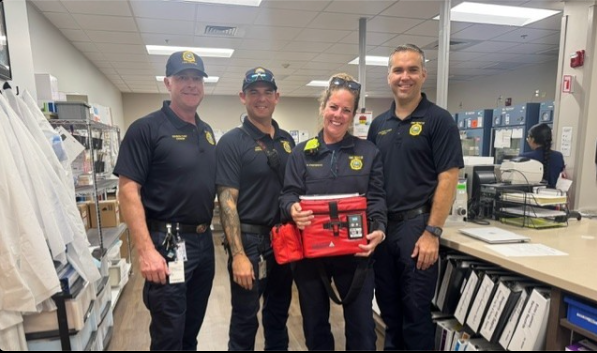
Studies like this one are a big part of why more EMS agencies are launching prehospital blood programs, and why reliable cold-chain storage matters in the field. Delta Development Team's APRU 6L Portable Blood Refrigerator and Delta ICE 2L Smart Blood Cooler are built to keep blood products at safe temperatures on the move, so crews can focus on the patient in front of them. As the evidence continues to build, DDT is proud to support the agencies bringing blood closer to the point of injury.