A new article in Trauma Surgery & Acute Care Open details how the Trauma Regional Advisory Council-V (TRAC-V) built a regional prehospital whole blood program across Cameron, Hidalgo, Starr, and Willacy counties in South Texas. The Rio Grande Valley is one of the most medically underserved regions in the country, with rural transport times to a trauma center that can exceed 45 to 60 minutes. Despite those challenges, the program grew from a pilot of two EMS agencies and one hospital system in 2022 to seven EMS agencies and five hospital systems by early 2026, and TRAC-V is now a regional partner in Texas’s statewide Prehospital Whole Blood Pilot Program.
What makes the article so valuable is its detail. Most published accounts of prehospital blood programs come from large urban systems, but this one lays out an eight-phase framework designed to be replicated by regions with fewer resources: governance, formal agreements between partners, clinical protocols, blood product rotation, provider training, data collection, funding, and community engagement. For agencies just starting out, it’s a useful reminder that the groundwork comes first. TRAC-V began stakeholder meetings in 2021, more than a year before its first agreements were signed and the program launched.
For established programs looking to grow, the article offers practical models for two of the biggest barriers to expansion: product waste and equipment cost. TRAC-V’s 35-day rotation cycle sends whole blood to EMS agencies first, then returns unused units to the blood center for redistribution to hospital partners, so lower-volume rural agencies can carry blood without driving up waste. An equipment grant program gave priority to rural and underserved agencies, and a regional “Rally the Valley” blood drive campaign has helped strengthen the local supply.
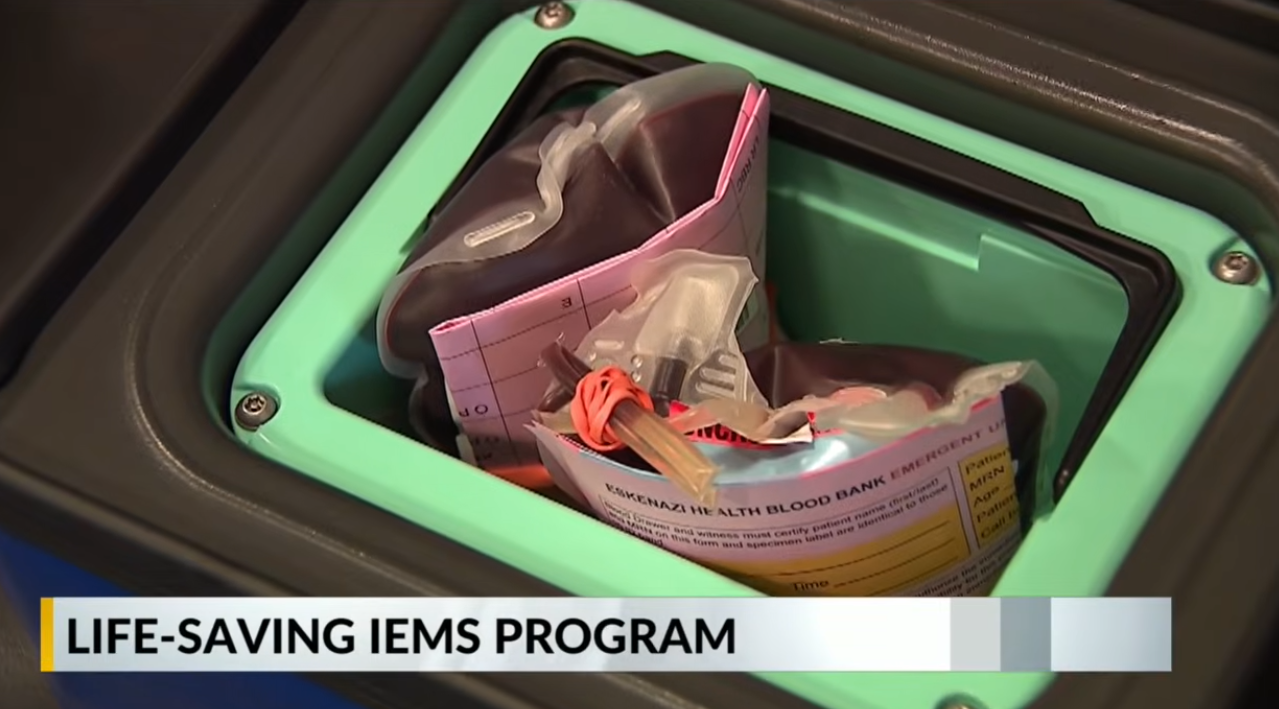
The article also underscores how central the cold chain is to every phase. The program requires validated storage with continuous temperature monitoring, audible alarms, and remote tracking, and it plans to move toward centralized, around-the-clock temperature monitoring for every unit in the field. That’s exactly the kind of accountability the Delta ICE 2L Smart Blood Cooler, APRU 6L Portable Blood Refrigerator, and BloodCOMM® platform are built to support, with continuous monitoring and remote visibility from storage through transfusion.
Whether you’re building a program from the ground up or expanding one that’s already running, the full article is well worth a read. If you’d like to talk through equipment and monitoring for your program, our team is happy to help.