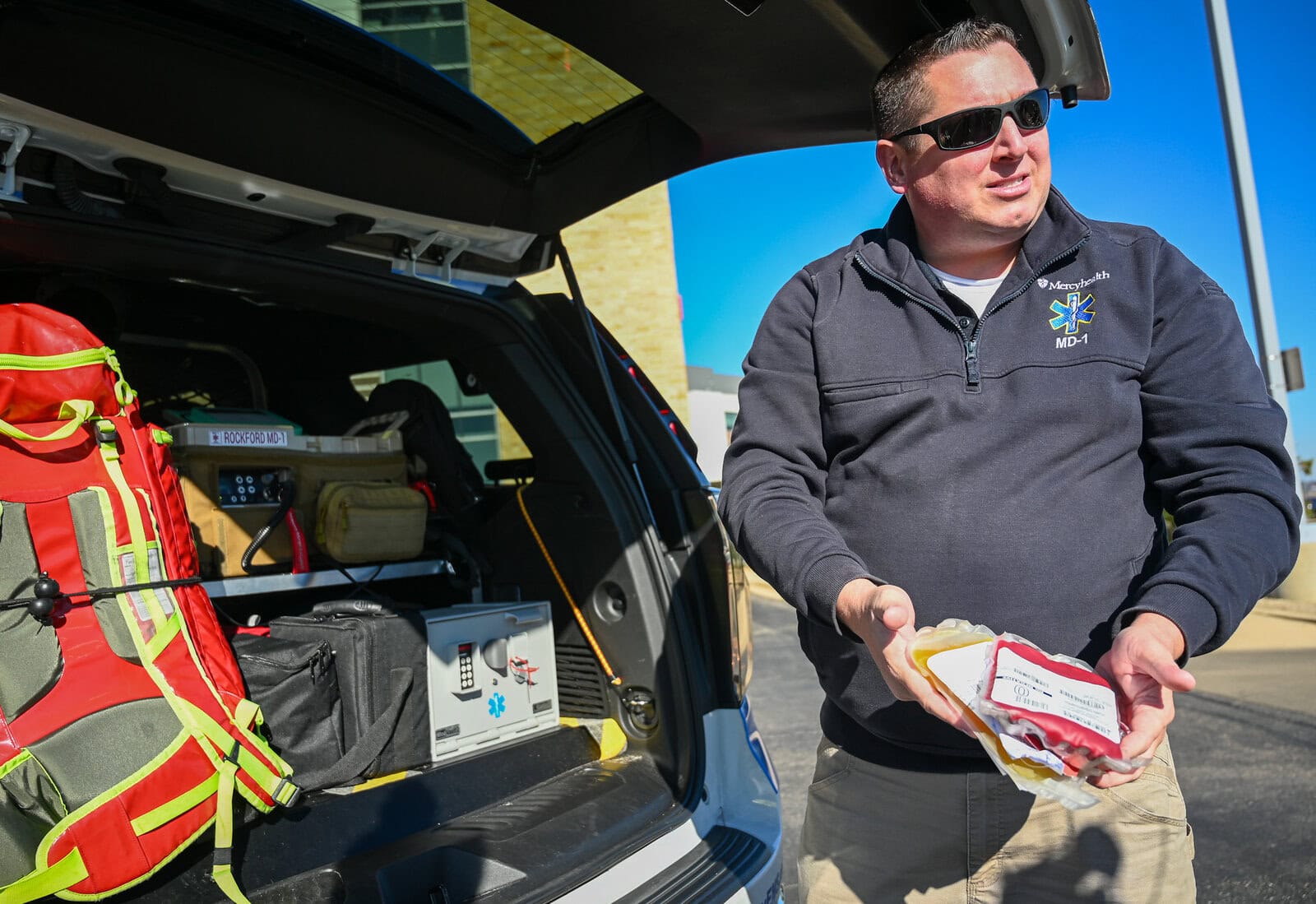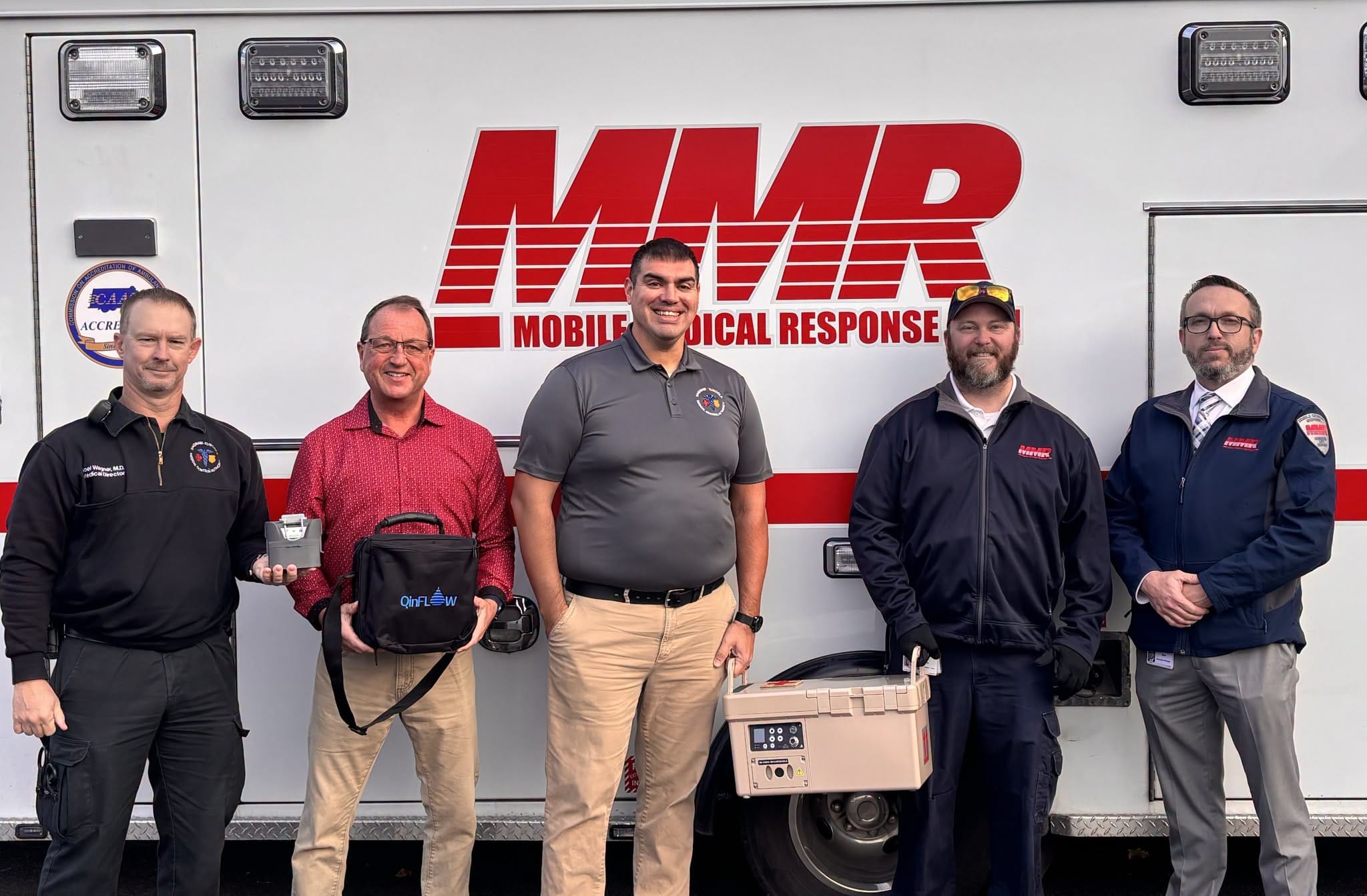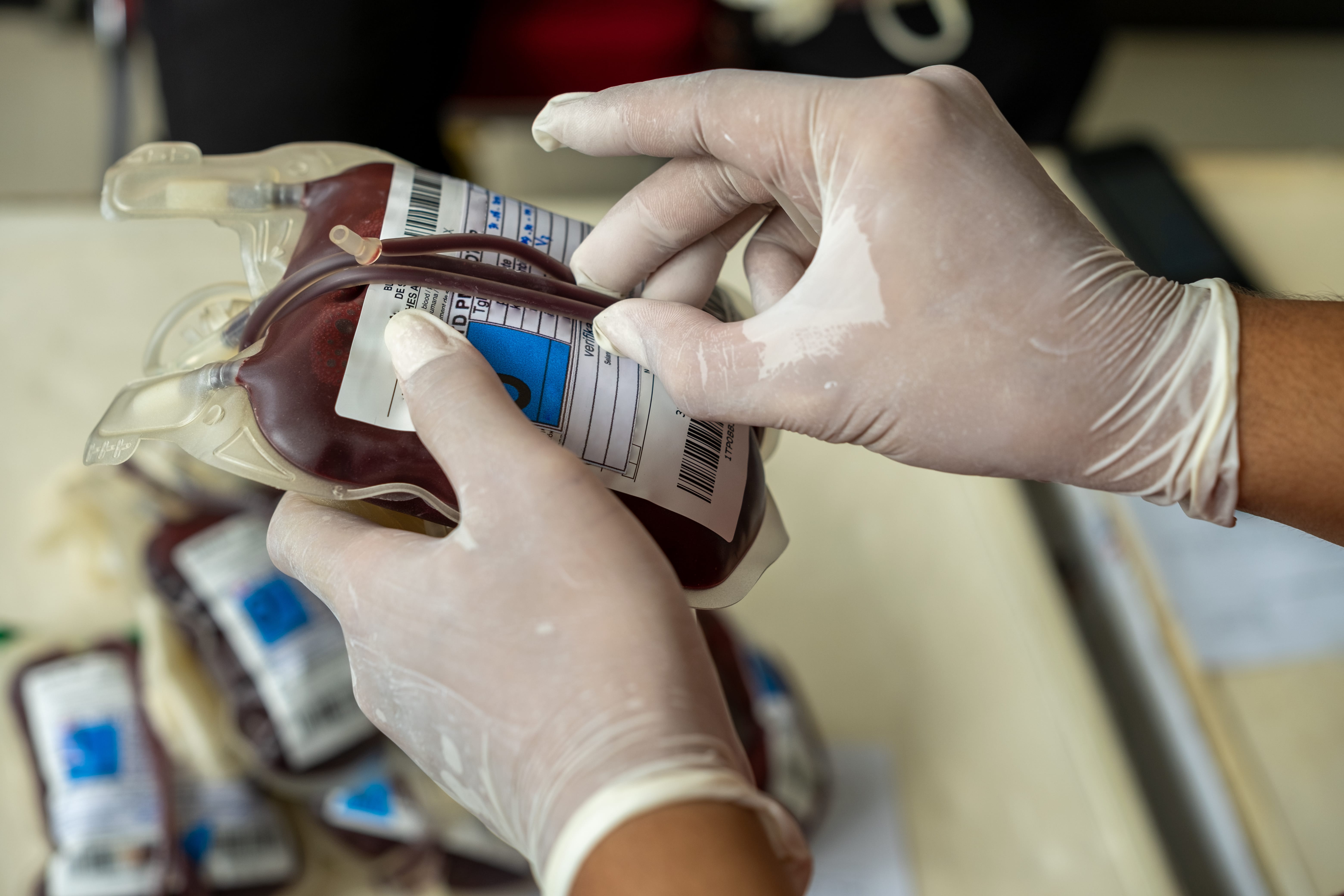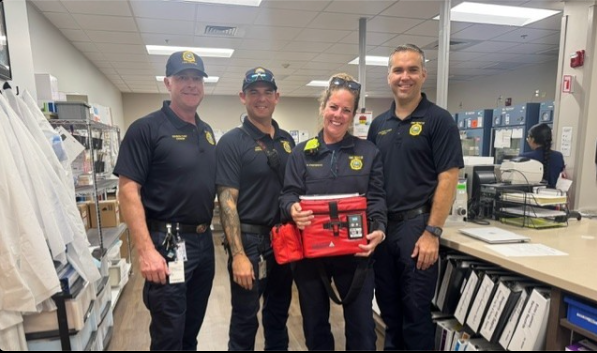
Rochester now has New York State's first prehospital blood transfusion service, a program that began operating September 14 as a partnership between University of Rochester Medicine, CHS Ambulance, and Strong Memorial Hospital's blood bank. The service allows CHS ambulance crews to administer blood transfusions at the scene of an injury or while a patient is en route to the hospital, rather than waiting until arrival, as reported by 13WHAM. Health care officials involved in the program said in-field transfusions have been shown to significantly reduce mortality in severe trauma cases, making Rochester's launch a meaningful step forward for trauma care across the state.
Getting there took more than a year of work. CHS Chief of Operations Frank Manzo said the blood bank at Strong Memorial played an integral role in developing the program from the ground up, building out the protocols needed to store and handle blood safely in the field so that donated units don't go to waste. That's no small task given how time-sensitive blood products are, and it's a big part of why prehospital blood programs take real planning before they can launch.
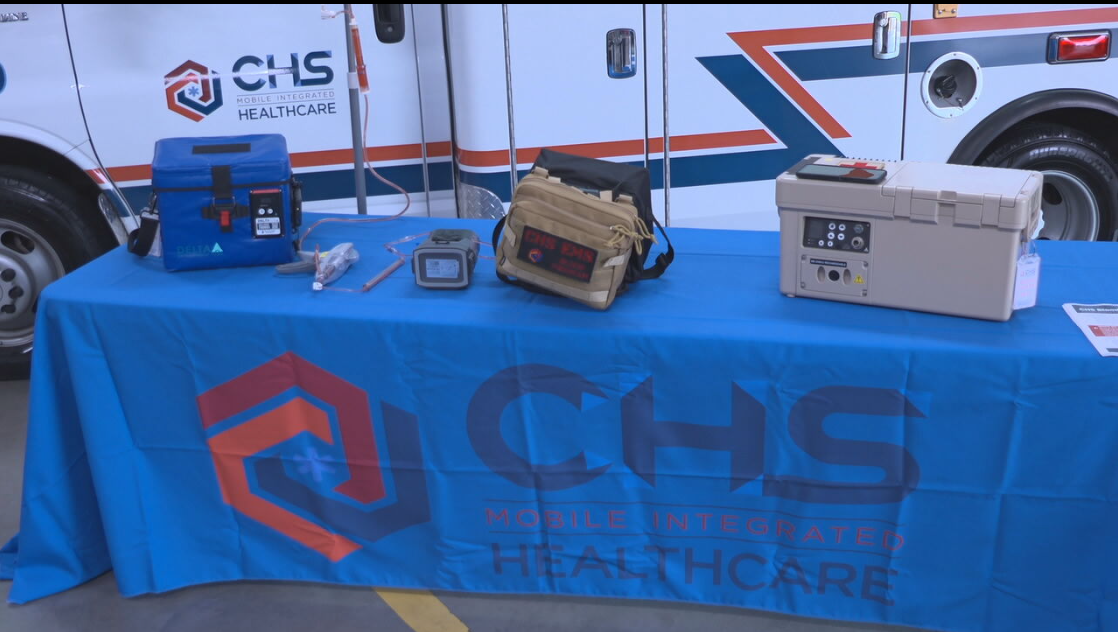
DDT is proud to be part of that infrastructure in Rochester. CHS crews carry their field blood in a mix of APRU 6L and Delta ICE 2L coolers, with three units running on BloodCOMM® Premium subscriptions to help the team track blood from the moment it leaves the blood bank to the moment it's either used or returned. That tracking matters directly to how the program is run: Manzo explained that crews carry blood for about seven days, and if it isn't used in that window, it goes back to the blood bank, where it still has enough shelf life left to be used elsewhere. CHS then receives a fresh supply with a longer remaining window, keeping the whole cycle moving without waste.
Rochester's launch adds to a fast-growing list of prehospital blood programs standing up across the country this year, each one working through the same core challenges: temperature control, chain-of-custody tracking, and a hospital partner willing to build the protocols out together. New York becoming the latest state to bring this capability to the field is a strong signal of how quickly the practice is spreading, and DDT is glad to help CHS and UR Medicine keep their program running smoothly as it grows.