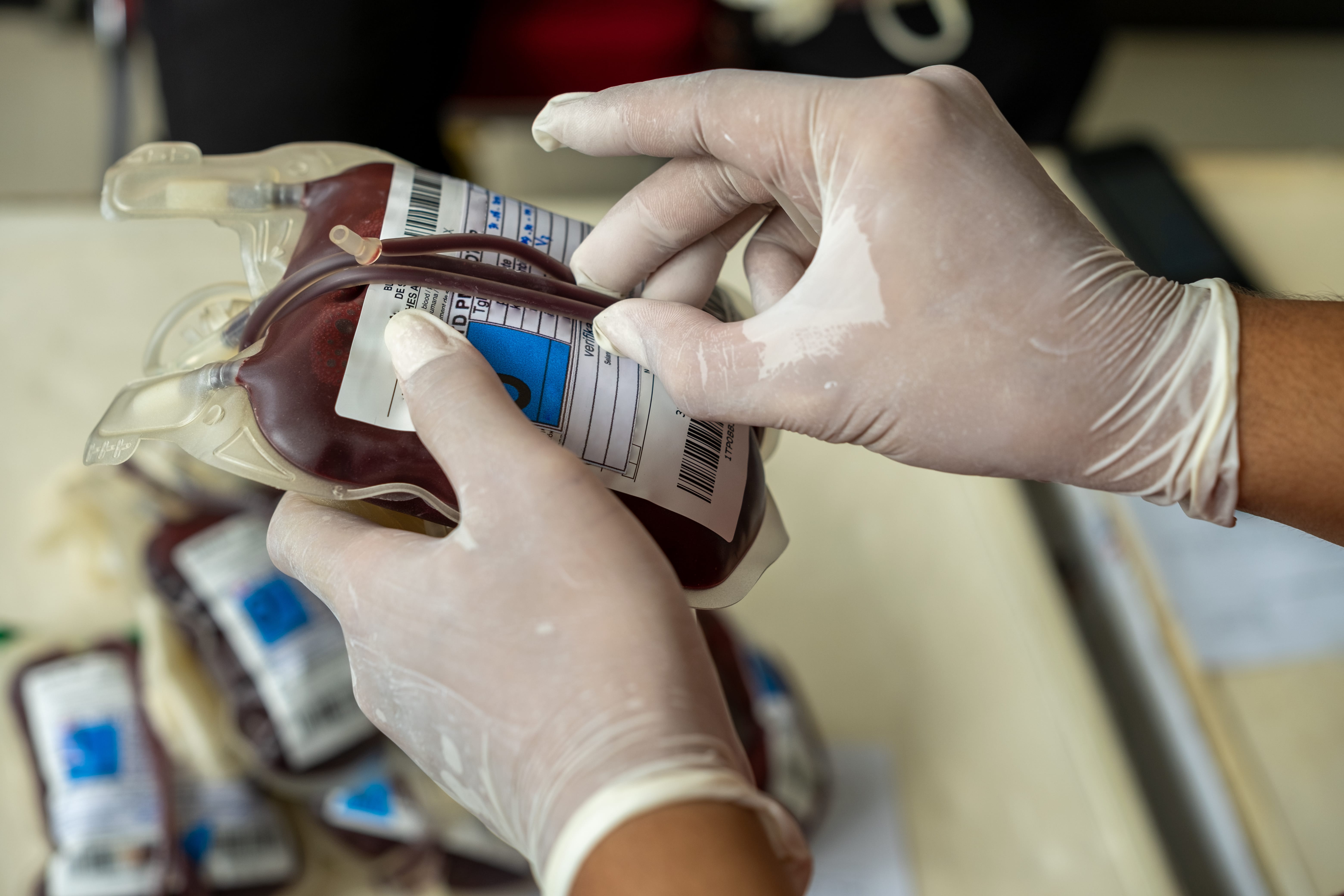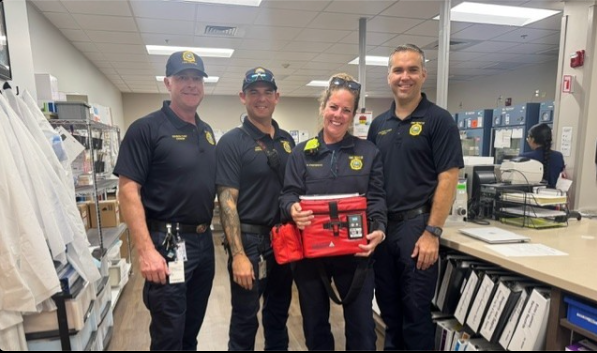
In southwest Missouri, patients with severe bleeding no longer have to wait for the hospital to receive blood. Taney County Ambulance District (TCAD) began offering prehospital blood transfusions in June, serving local residents as well as the large number of tourists who visit the Branson area each year. It puts TCAD among a small group of Missouri agencies bringing this capability to the field, as fewer than 10 ambulance services in the state currently offer it. kbiakbia
The clinical case is straightforward. TCAD clinical manager Rick Lawler explained that saline can raise pressure to circulate the blood a patient still has, but it can’t help with clotting or carry oxygen to tissues. Paramedic and blood transfusionist Nathan Rogers described how crews avoid delaying on scene: they load the patient, start blood en route, and are usually finished by the time they arrive at the hospital. Requests cover both trauma and medical emergencies, including gastrointestinal bleeding and pregnancy-related emergencies. Blood on board: Missouri ambulance services bring transfusions closer to patients +2
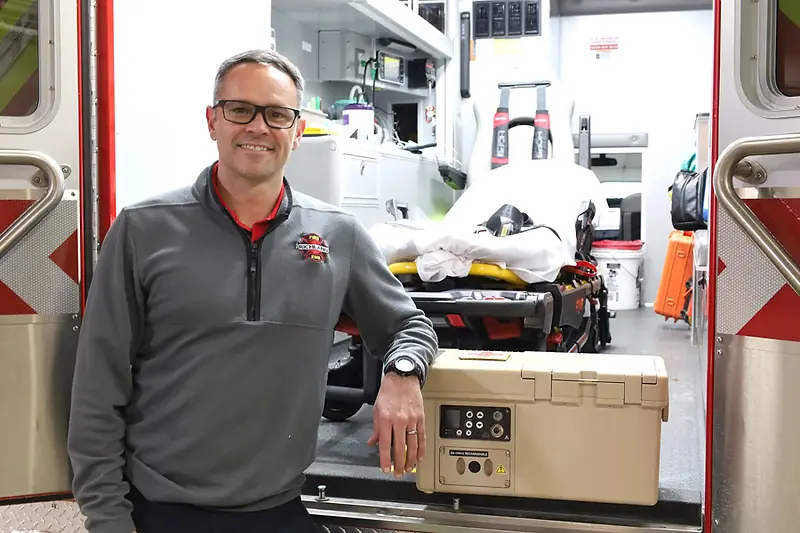
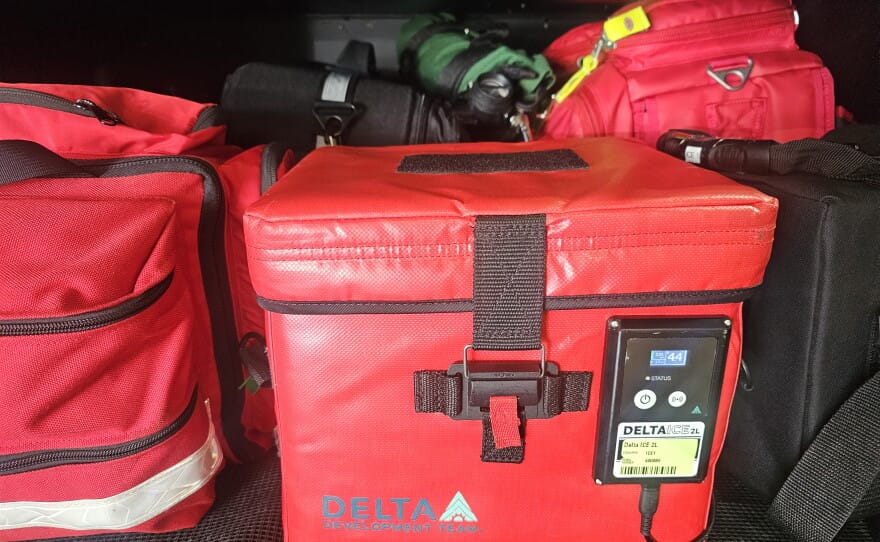
TCAD has built its program around careful logistics. Each cooler carries one unit of plasma and one unit of red blood cells, using component therapy because those products have a longer turnaround than whole blood with the district’s supplier. Two of the district’s vehicles typically carry the blood coolers, rather than equipping every truck, and unused products go back to the blood bank by the end of the second week so hospitals can use them before they expire.
At the heart of that system are two Delta ICE 2L Smart Blood Coolers, paired with BloodCOMM® Pro. According to the district, the coolers keep blood between 33 and 42 degrees Fahrenheit, with temperature recorded every 15 seconds, sent over a cellular connection to TCAD’s server, and staff alerted if readings go out of range. That continuous record is what lets a district like TCAD carry blood confidently and return unused units to the blood bank with full documentation behind them.
TCAD’s work is part of a wider shift across Missouri. The state recorded about 100 prehospital transfusions in 2025, up from roughly 60 in 2024 and 40 in 2023, and EMS professionals are now discussing a statewide coalition to share resources, training and guidance. Congratulations to the TCAD team on a thoughtfully built program, and we look forward to seeing prehospital blood continue to grow across the state.
Source: Blood on board: Missouri ambulance services bring transfusions closer to patients (KBIA)