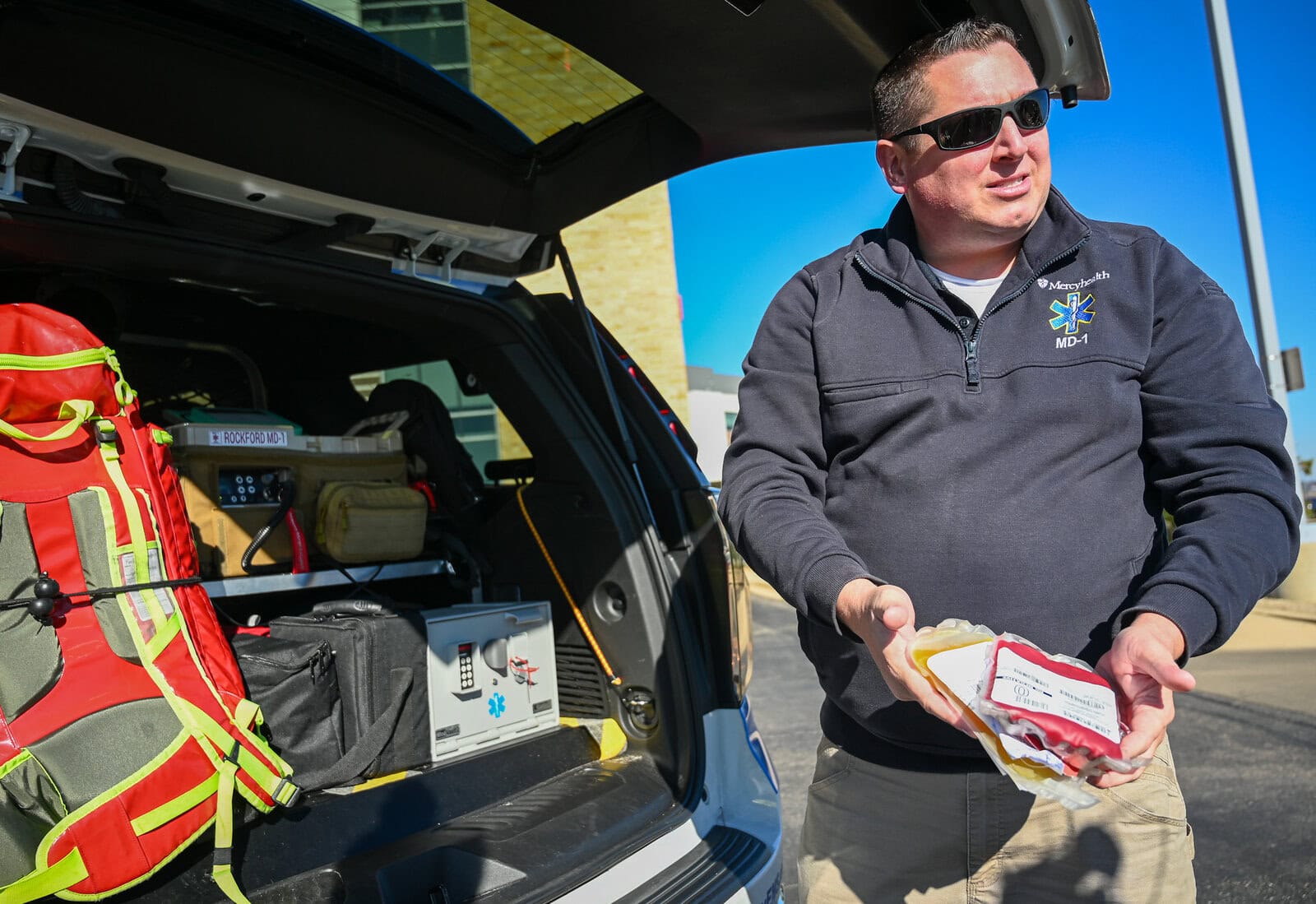

In recent years, whole blood transfusion has been gaining significant traction in the field of trauma resuscitation, and for good reason. Studies are increasingly demonstrating that whole blood transfusion is not only effective but also superior in many ways to traditional component therapy in trauma patients. This exciting development is spurring a broader acceptance and implementation of whole blood use among Emergency Medical Services (EMS) and trauma care providers.
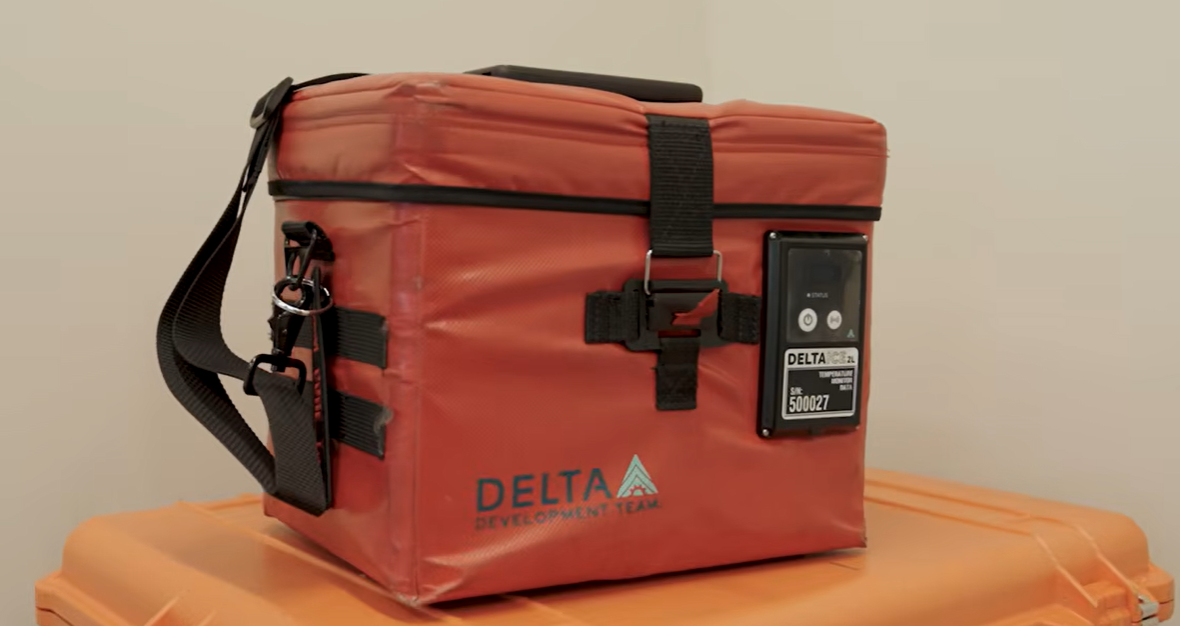
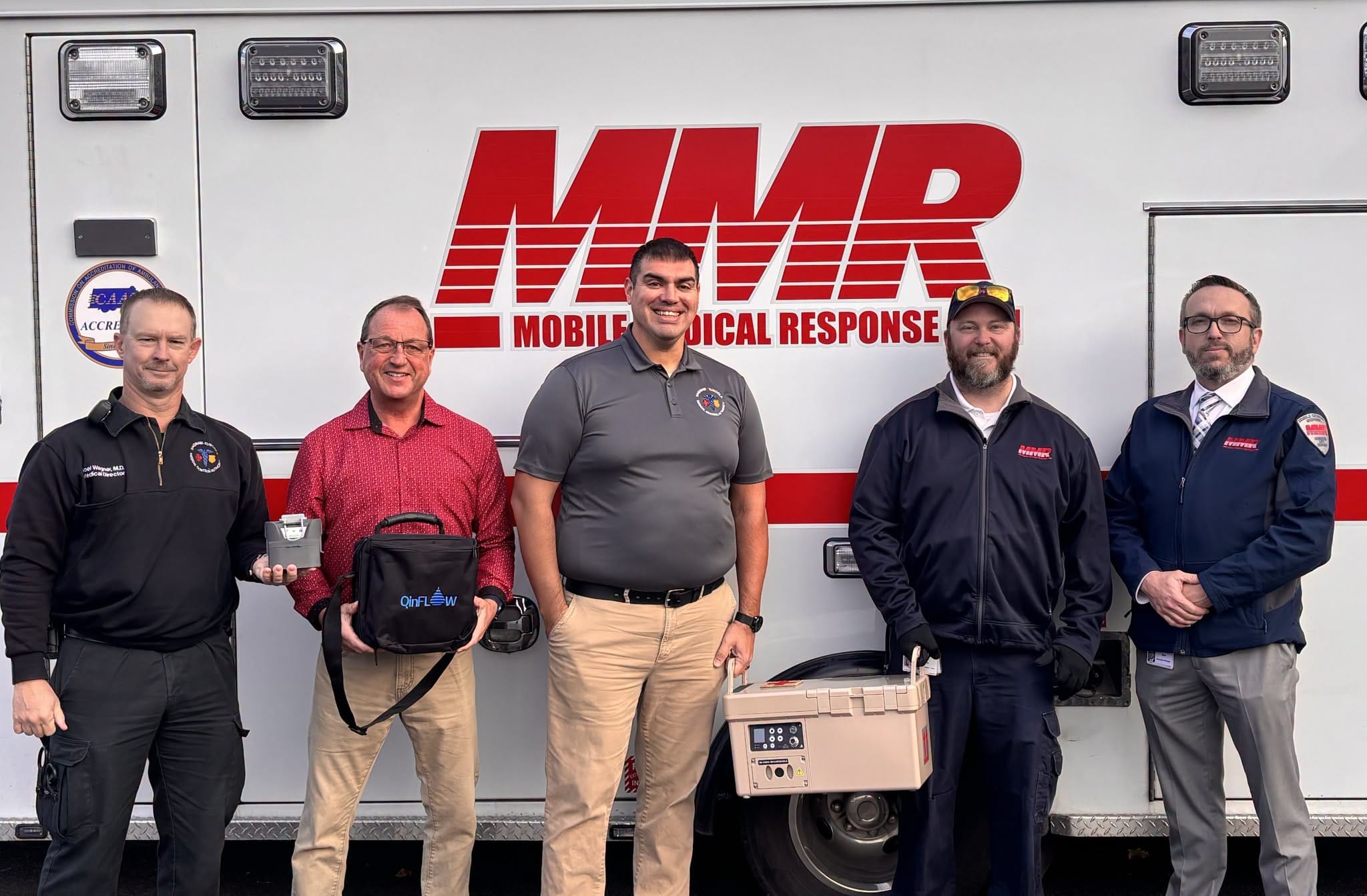
The growing body of evidence supporting whole blood transfusion is encouraging more EMS teams to consider the logistics of carrying and administering whole blood at trauma sites. Safety protocols and training are evolving to ensure that this life-saving practice can be implemented widely and effectively. The goal is clear: to enhance survival rates and recovery outcomes for trauma patients by leveraging the most effective resuscitation strategies available.
As this approach becomes more prevalent, we are witnessing a positive shift in trauma care paradigms. We are excited to see the broader trauma care community embracing this practice, which has the potential to save countless lives.
For those interested in the historical context and further details on the resurgence of whole blood in trauma care, we recommend reading this comprehensive article by the American College of Surgeons: Whole Blood in Resuscitating Trauma Patients Is Making a Comeback.