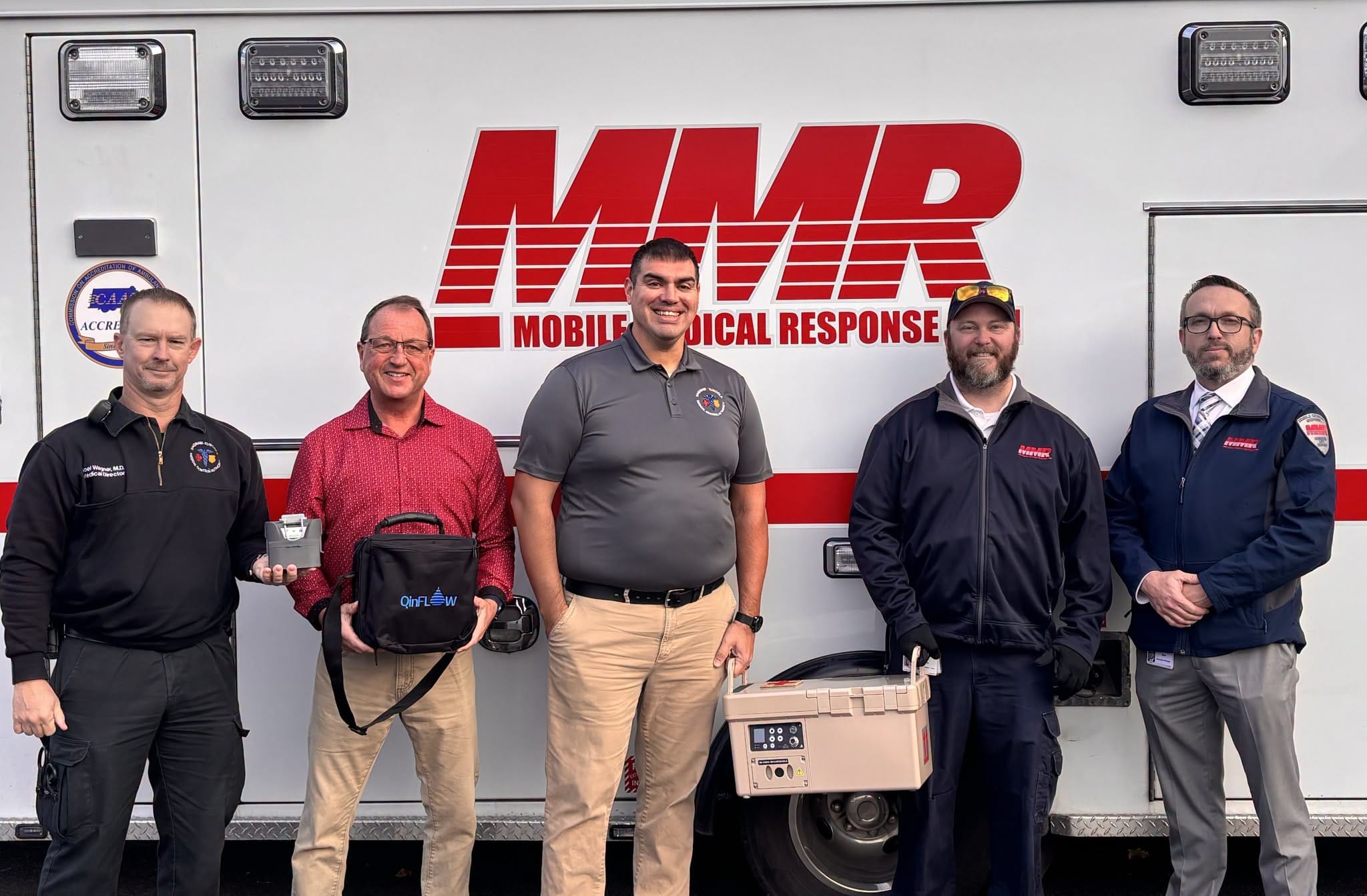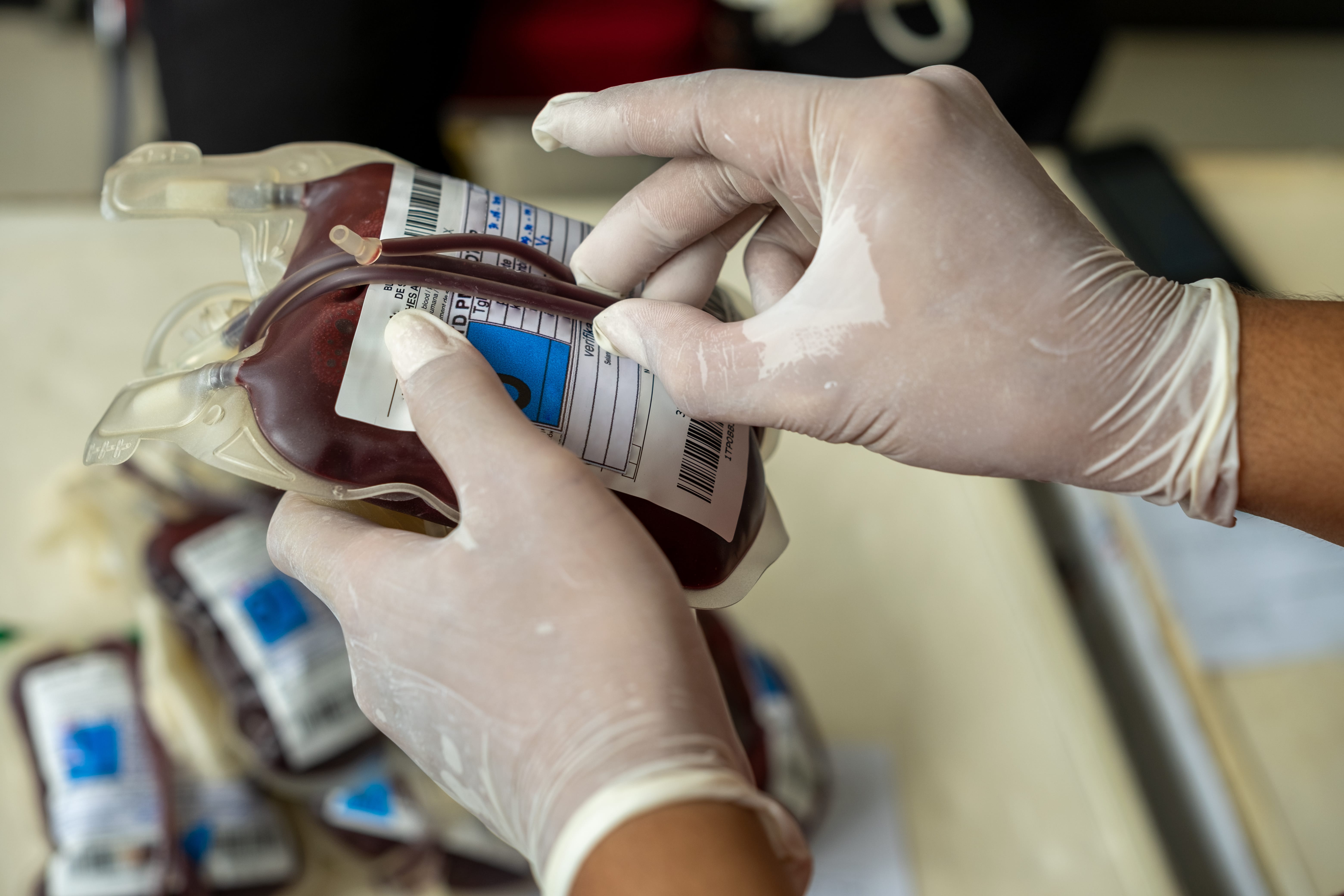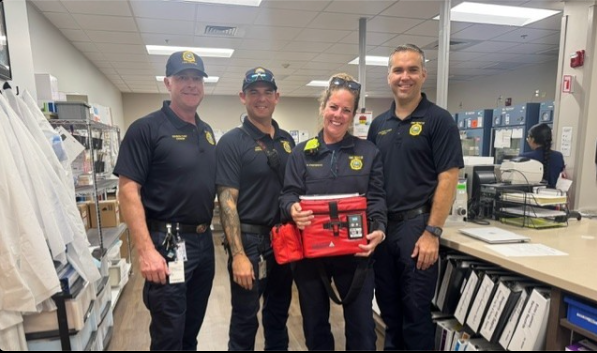
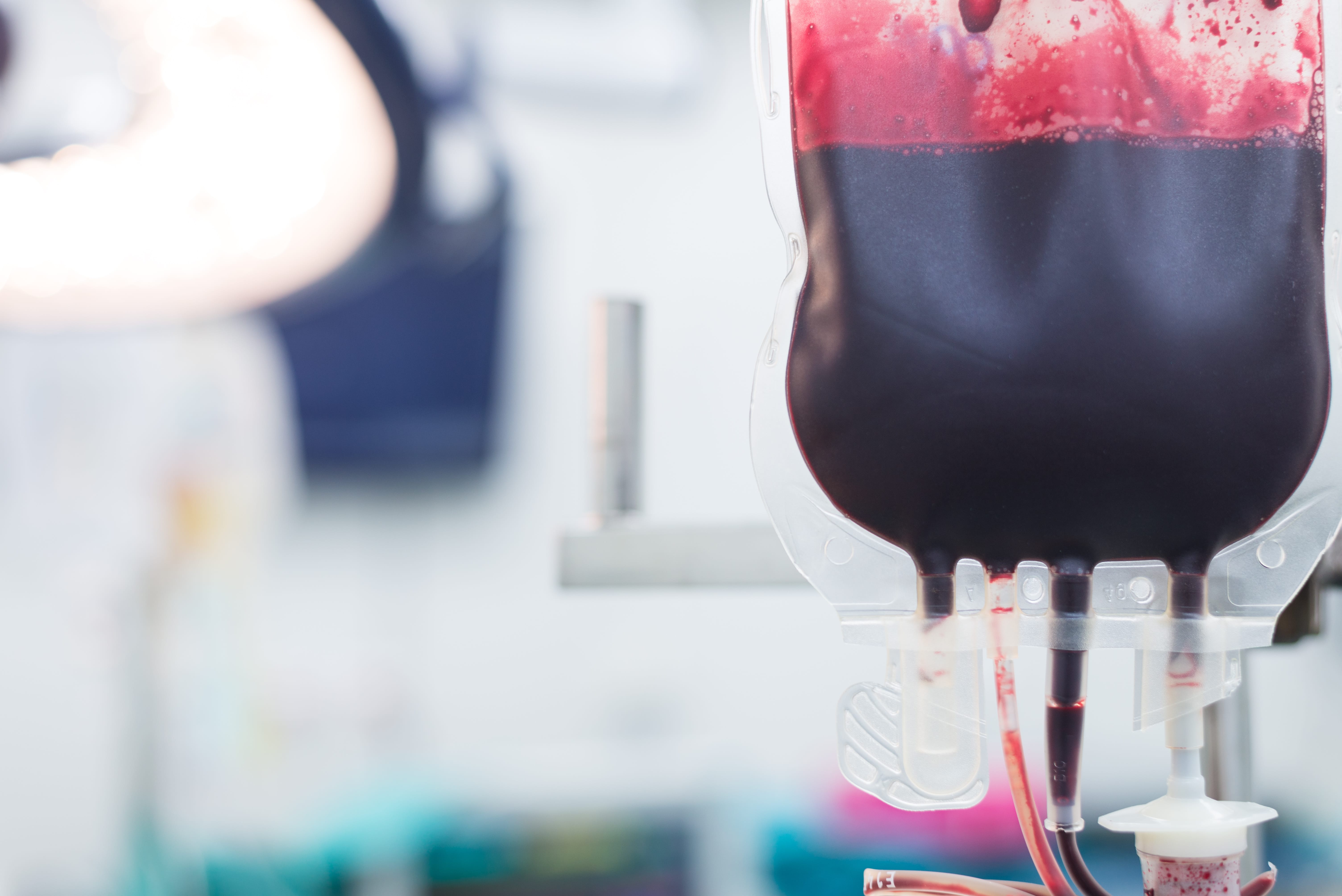
The University of Arizona has secured $30.6 million from the Patient-Centered Outcomes Research Institute (PCORI) to tackle a question that sounds simple but carries huge implications for trauma care: does giving severely bleeding patients blood before they reach the hospital actually save more lives? The six-year comparative-effectiveness study will follow nearly 2,000 trauma patients treated by more than a dozen Arizona ground EMS agencies, comparing prehospital whole blood transfusion against standard fluids like saline for traumatic hemorrhagic shock.
The project is co-led by Dr. Joshua Gaither, professor of emergency medicine at the University of Arizona College of Medicine, Tucson, and Chengcheng Hu, PhD, professor of biostatistics at the Mel and Enid Zuckerman College of Public Health, with the Arizona Department of Health Services as a key partner. While prehospital transfusion is already in use among military, air-medical, and some ground EMS systems, whether it improves outcomes specifically in urban settings with short transport times has remained an open question, one this study is designed to finally answer.
The findings have implications well beyond the clinical question at the center of the study. Wider adoption of prehospital transfusion could increase demand across the board for portable refrigeration, blood storage systems, diagnostics, and the broader logistics that keep an EMS blood supply chain running, all areas where the industry stands to grow if the evidence supports earlier transfusion.
We're especially proud to see this one land at the University of Arizona. Several members of the Delta Development Team, including some of us writing these very blog posts, are proud U of A alumni, and it's exciting to watch our alma mater lead research that could shape the future of prehospital blood transfusion nationwide. Go Cats!
Original article: University of Arizona Wins $30.6 Million to Test Whether Ambulance Blood Transfusions Save Trauma Patients