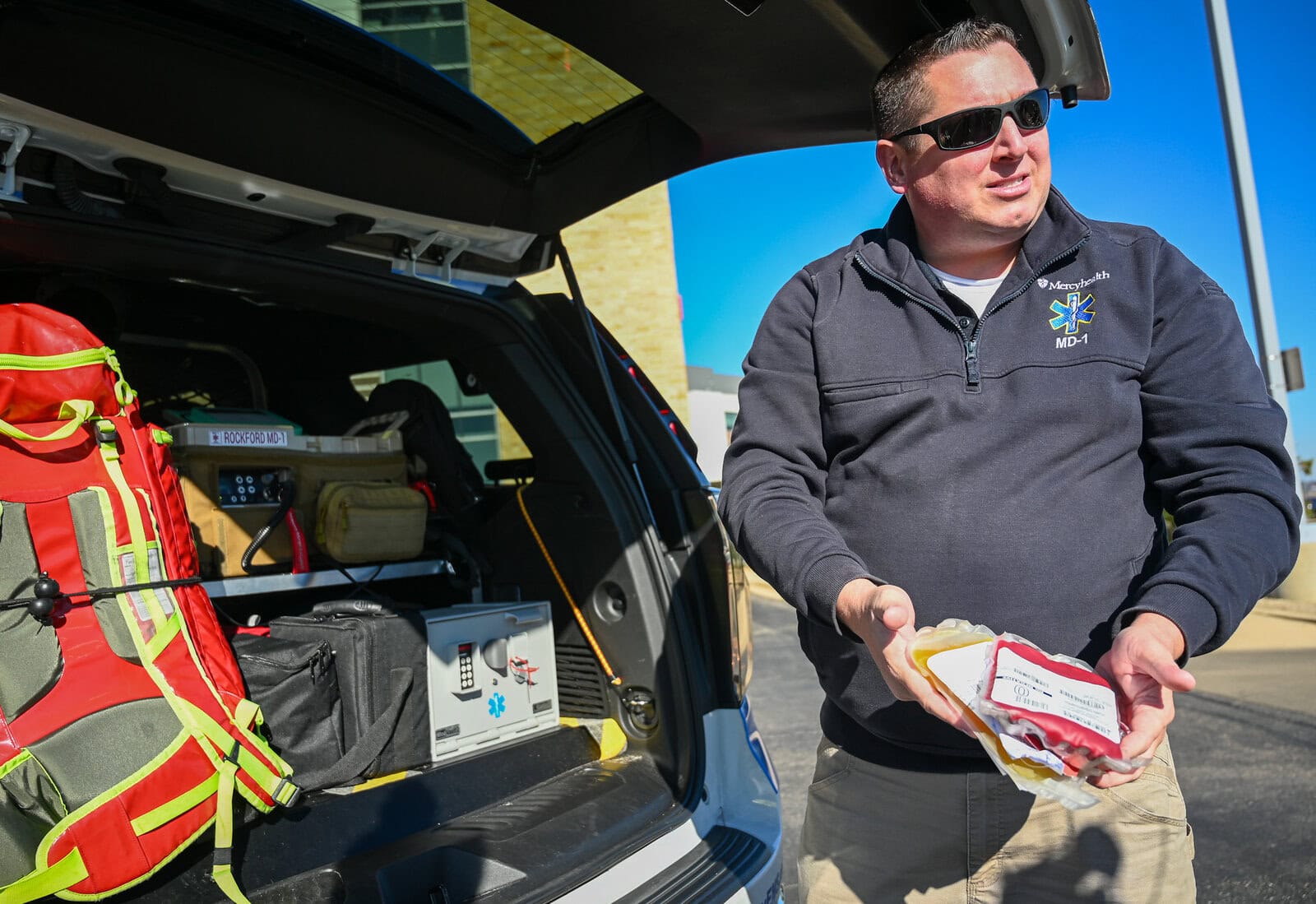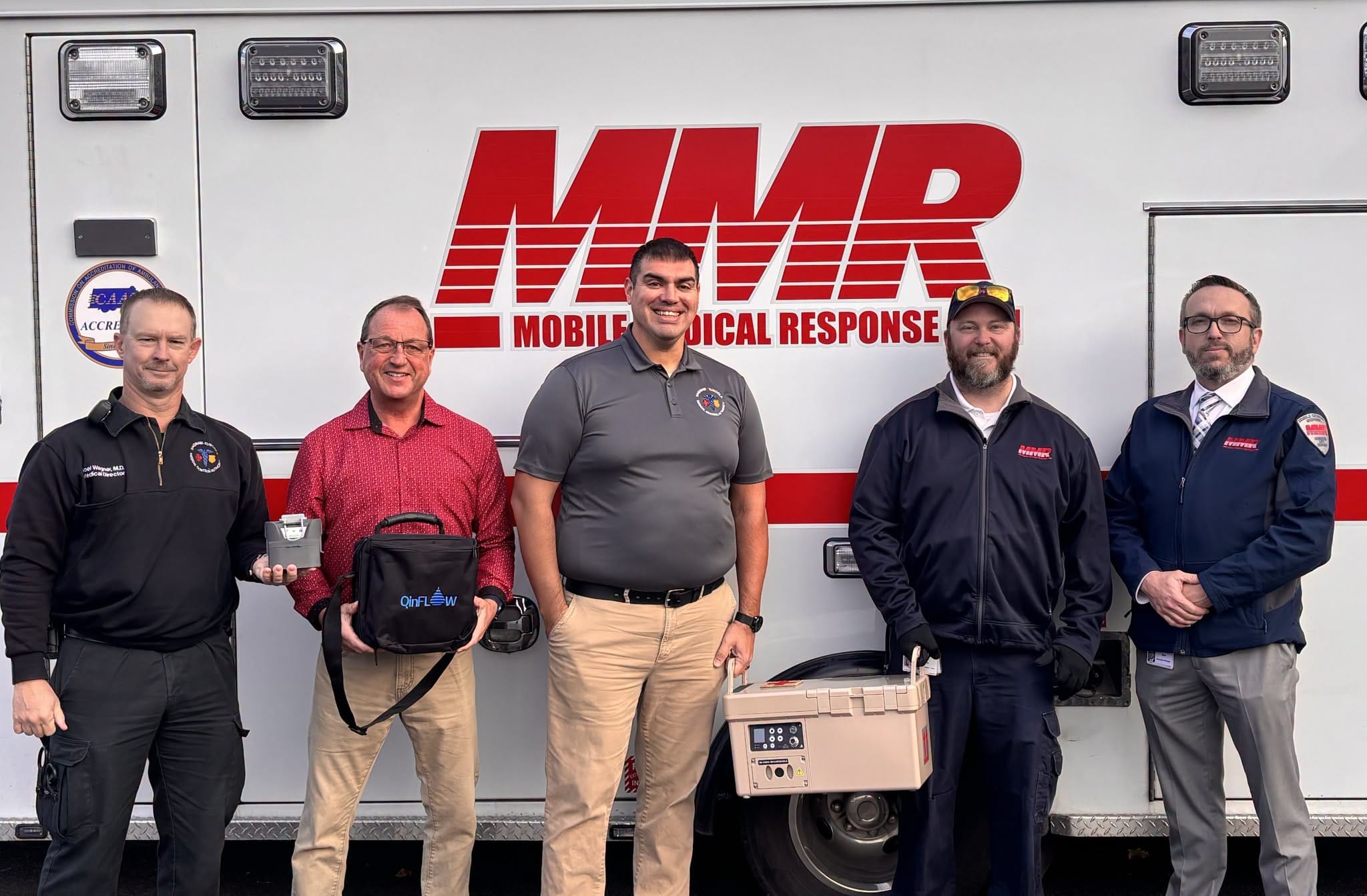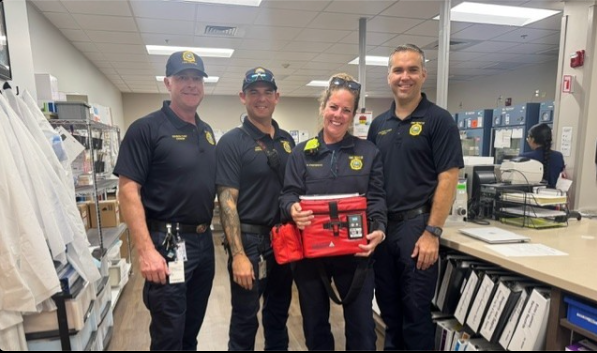
Patients in Montgomery County, Pennsylvania can now receive a blood transfusion before they ever reach a hospital. Upper Merion Township EMS rolled out its prehospital blood transfusion program this summer, following updated Pennsylvania Department of Health guidelines that allow trained paramedics to administer blood in the field, a practice previously reserved for air ambulances and specialized physician vehicles, according to NBC10 Philadelphia. It puts Upper Merion among a still-small group of ambulance services in the state able to offer blood products directly at the scene.
The leading cause of death for trauma patients is blood loss, and while most EMS crews carry fluids like saline, patients have historically had to wait until arriving at a hospital for an actual transfusion. Upper Merion Township Fire and EMS Chief James Johnson said the township invested $10,000 to $15,000 in equipment to close that gap, funded through a mix of grant and taxpayer money, with EMTs receiving specialized training to provide the service.
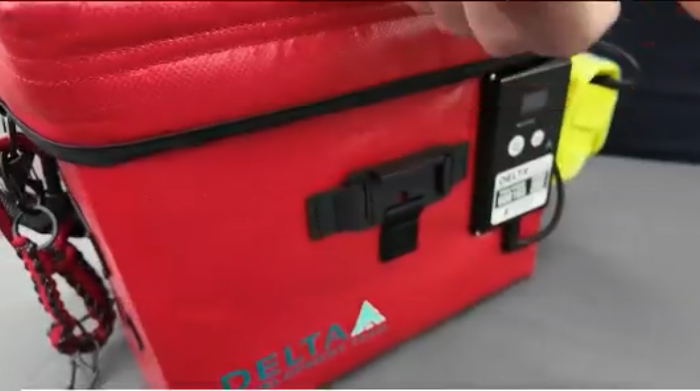
Getting there required solving a real logistical problem: keeping blood at the right temperature inside a moving ambulance. Upper Merion EMS Chief Medical Officer Dr. Alvin Wang said the technology needed for prehospital transfusions is relatively new, requiring sophisticated coolers, temperature tracking, and a stewardship process that allows crews to hold onto blood for a period before returning it to the supplying blood bank. That's where DDT comes in. The Delta ICE 2L is the cooler Upper Merion crews are using to keep blood viable in the field, and DDT is proud to support this program alongside BloodCOMM® Pro, which helps the team track and manage that stewardship process from collection to return.
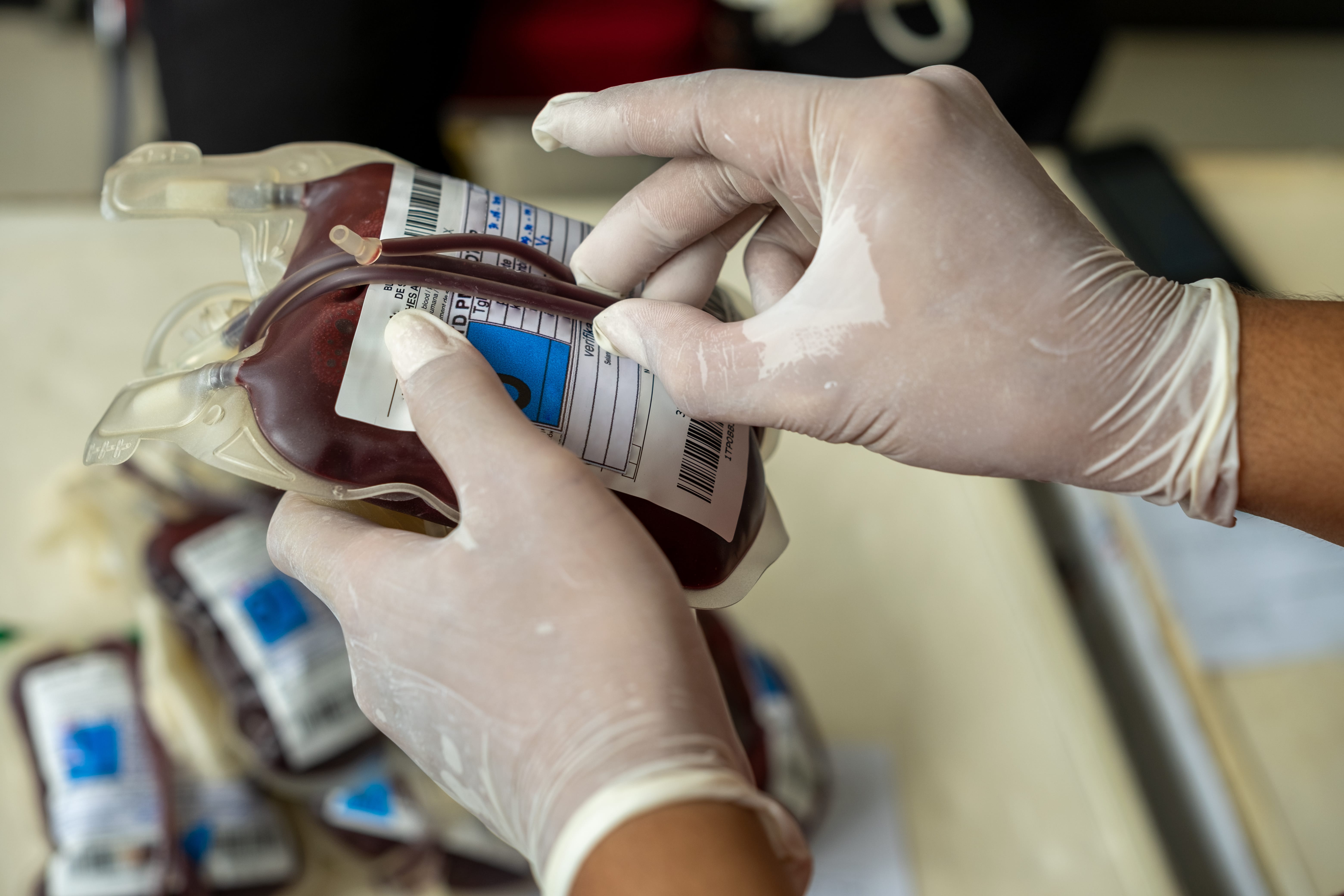
Upper Merion's hospital partner is Jefferson Einstein Montgomery, whose blood bank supplies the ambulance service. Wang explained that a unit of whole blood is good for about 21 days after collection, and Upper Merion returns any unused units to Jefferson Einstein Montgomery after about 14 days, giving the blood bank roughly a week more to put it to use elsewhere before it expires. The township also held a blood drive this week to help restock supply amid recent shortages, a reminder that a program like this depends as much on donors as it does on equipment.
Transfusions through the program can support patients across a range of emergencies, from car crashes and gastrointestinal bleeding to anemia and mothers who deliver before reaching a hospital. Prehospital blood administration isn't a new concept; the military has used it for years, and medical experts have long pointed to its impact on trauma survival rates. What's changing is how many civilian EMS agencies now have the tools and training to bring that same standard of care to the communities they serve, and Upper Merion's rollout is another sign that the movement is picking up speed across Pennsylvania.